
Professional auction houses verify the authenticity of game-used sports equipment through a strict combination of chain-of-custody documentation, high-resolution visual comparison, and forensic science. Evaluators do not just look at a dirty jersey and make a guess. They scrutinize microscopic fabric stress, cross-reference factory manufacturing logs, and use infrared technology to prove an item actually saw action on the field.
The sports memorabilia market handles immense amounts of money every day. Buyers demand absolute certainty that the gear they purchase belonged to the athletes they idolize. To provide that certainty, authentication agencies strip away the emotional value of the item. They treat each bat, cleat, and jersey like physical evidence. They look for specific wear patterns and chemical markers that counterfeiters simply cannot replicate.
How Game-Used Authentication Works
The entire process begins long before an expert physically touches the item. Authenticators start by reviewing the provenance folder. This folder acts as the historical and legal paper trail for the equipment. It contains chain of ownership records, original sale invoices, and signed letters from team equipment managers or player foundations. Evaluators must establish exactly how the item moved from the locker room to the auction block.
Once the paperwork clears the initial review, the physical inspection begins. Authenticators conduct a rigorous physical wear assessment to look for sport-specific use characteristics. Genuine game-used apparel features sweat staining in very predictable areas. The fabric stretches at specific stress points based on how an athlete moves. Environmental marks like dirt, grass, and clay get embedded deep into the fibers.
The experts also check the manufacturer tags. They look for font consistencies and specialized wash tags. Retail replicas sold to fans use different tagging systems than the actual gear issued to professional locker rooms. A standard retail tag immediately disqualifies an item from being labeled as game-used.
Advanced Technological Verification
Documentation and basic wear-and-tear checks only go so far. Today, the authentication industry relies heavily on technology. Photo-matching is widely considered the absolute gold standard in the verification business.
This process involves comparing high-resolution images of an item directly against broadcast footage or official press photography. Authenticators look for highly unique, microscopic marks. They match up the exact structural nuances of a grass stain, the specific fraying of a loose thread on a jersey number, or the precise wood grain of a baseball bat. Finding a direct match definitively places that exact item in a specific game, and sometimes even in a specific play.
Authentication agencies also use forensic chemistry. Experts at the authentication agency PSA apply invisible DNA-laced ink to verified items to prevent future counterfeiting. This anti-counterfeiting measure is completely invisible to the naked eye. It can only be seen and verified using a specially calibrated infrared laser. Once an item has this ink, it is permanently locked into a secure digital tracking system.
Ultraviolet light analysis provides another layer of security. Experts examine items under UV light to spot alterations that regular room lighting hides. Counterfeiters often try to add fake signatures to items to increase their value. UV photography reveals these fakes easily because modern inks fluoresce completely differently than authentic inks manufactured during historical eras.
Why Teams Use This / When It Applies
Authentication techniques change depending on the sport and the type of equipment. What proves a hockey jersey is real looks very different from what proves a baseball bat is authentic.
Hockey memorabilia authenticators look for very specific damage. They search for distinct board burns resulting from violent body checks against the arena glass. They verify the presence of required internal fight straps, which keep the jersey attached to the player during altercations. They also look for thick black puck marks on high-impact areas of the fabric.
Baseball bats undergo a highly structured, step-by-step verification process. Evaluators do not just look for dirt. They run a detailed diagnostic check on the wood itself.
- Manufacturing Log Verification: Experts cross-reference the bat’s physical measurements directly against actual factory order records from companies like Louisville Slugger.
- Custom Specification Checks: They verify that the specific model, weight, and length perfectly match the exact custom orders the player placed during that specific season.
- Residue Analysis: Evaluators analyze the handle for specific tape residue and examine the unique sporing patterns of pine tar.
- Contact Marks: They check the barrel for deep seam impressions and leather transfers left behind by high-speed baseball impacts.
Cleats and footwear require a different approach. Verification heavily relies on mapping wear patterns to the athlete’s body mechanics. Authenticators look for structural wear consistent with severe athletic stress points. They check for player-specific fit customizations, like removed insoles or custom orthotics. Most importantly, they ensure the overall condition of the shoe matches game-worn intensity rather than standard, casual retail use.
Famous Examples from Major Games
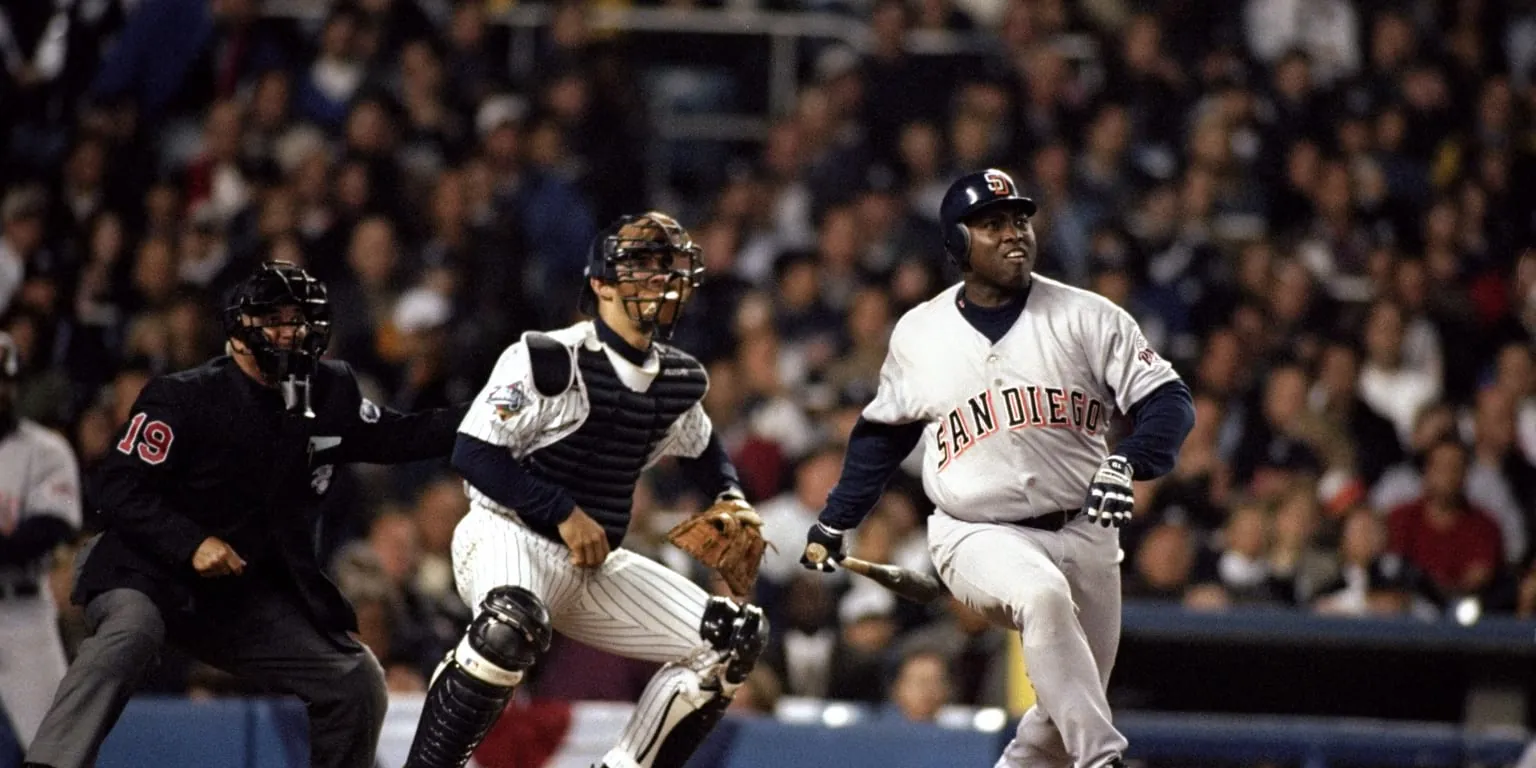
The entire modern system of tagging sports equipment actually traces back to a major scandal in baseball. Major League Baseball established its in-house authentication program in 2001. Hall of Famer Tony Gwynn drove the initiative after he discovered a flood of forged items bearing his signature actively selling in the collector’s market.
The league realized they needed an unbroken chain of custody. They decided to implement a real-time, on-field verification system. MLB hired trained law enforcement officers to sit inside the dugouts and track game-used equipment as the games happened.
The system operates with military precision. The exact moment a ball, bat, jersey, or base leaves the field of play, an officer immediately tags it. They apply a tamper-proof holographic sticker and log the item straight into the official MLB database. The league essentially built a heavily regulated pipeline directly from the clubhouse to the auction block.
Since its launch, the MLB authentication program in 2001 has successfully tagged millions of items. This aggressive approach completely crushed the counterfeit market for modern baseball gear and forced other sports leagues to adopt similar security measures.
Common Misconceptions
Many casual collectors believe that a Certificate of Authenticity (COA) guarantees an item is real. This is a dangerous misconception. A piece of paper with a signature and a gold foil stamp means very little in the modern memorabilia market.
Counterfeiters easily fake traditional paper COAs and holographic stickers. To combat this, the industry standard has fundamentally changed. A valid modern COA must include a unique serial number and a verifiable registry entry. Agencies use QR codes linked to active, issuer-controlled digital databases. If you cannot look up the serial number online and see the exact details of the item, the paper certificate is practically worthless. The industry continues to debate the best digital security methods, with many auction houses pushing toward blockchain-backed registries and AI pattern recognition to reduce substitution risks.
Another major misconception involves player signatures. Just because a player signs a jersey does not mean they actually wore it in a game. This issue frequently creates massive headaches for authenticators. Players under exclusive contracts with memorabilia companies sometimes sign unused equipment or batting practice items in bulk. Because these signing sessions happen in hotel rooms rather than locker rooms, the items lack proper on-site tagging. These inaccurate attestations enter the market labeled as “game used” simply because the player signed them as such.
Finally, there is the ongoing problem of artificial doctoring. People assume that dirt and damage always equal authenticity. But counterfeiters frequently attempt to enhance dramatic effect by faking wear patterns. They drag jerseys through the mud. They take sandpaper to the barrel of a baseball bat to simulate ball marks. They even swap components from heavily used minor league items onto pristine major league jerseys. Authenticators spend just as much time trying to spot fake damage as they do trying to verify real use.