
The US government recently triggered an unprecedented software crisis by classifying Anthropic’s most powerful artificial intelligence models as restricted munitions. Following a sudden export-control directive from the Trump administration on June 12 that barred foreign nationals from accessing the Fable 5 and Mythos 5 models due to a critical jailbreak vulnerability, Anthropic pulled the systems offline globally. The company simply had no way to screen hundreds of millions of users by nationality in real time.
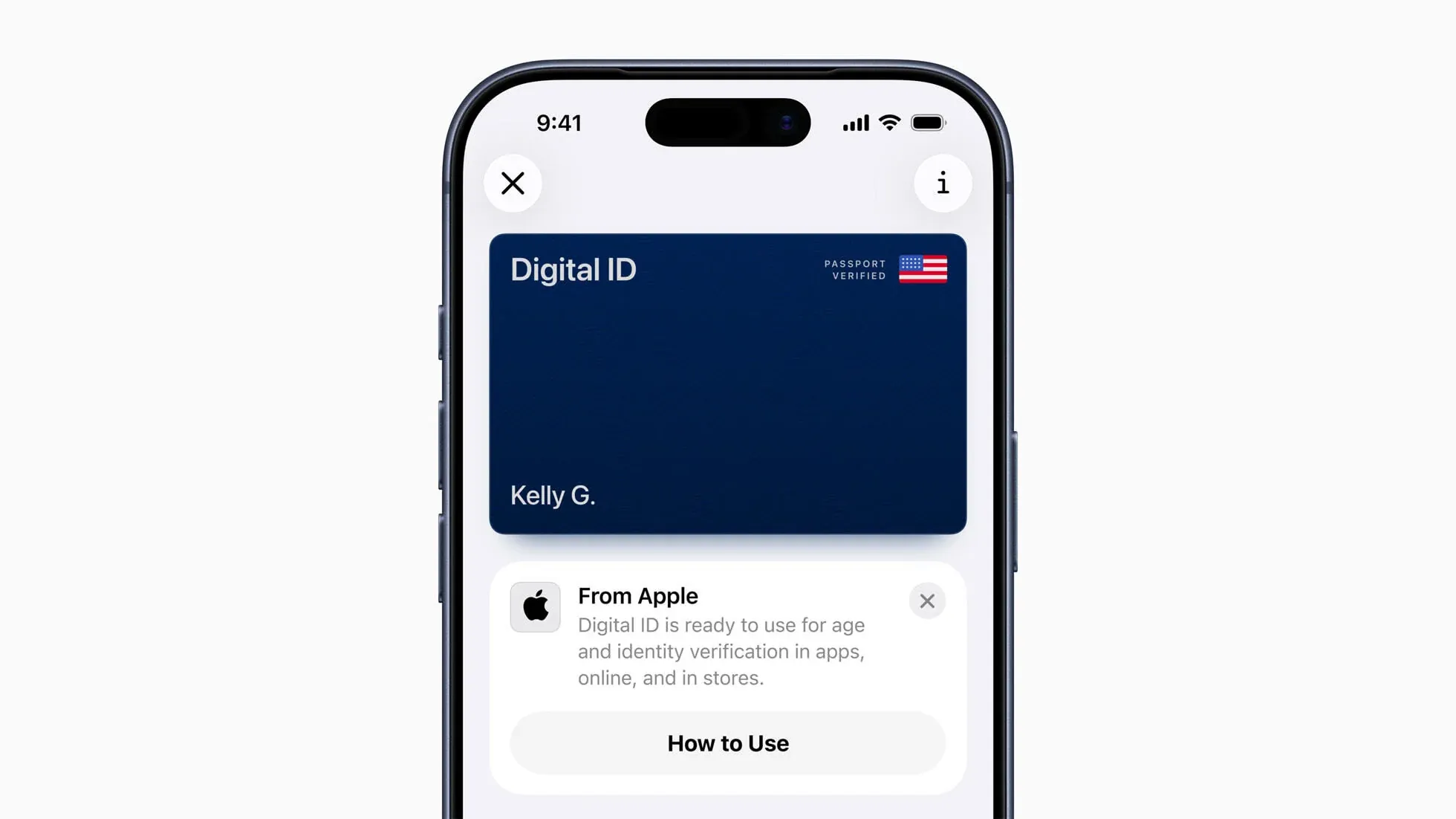
But a fascinating hardware solution is sitting right in our pockets. A speculative new report from 9to5Mac suggests Apple Wallet’s Digital ID feature could soon see its first non-TSA implementation as an instant nationality verification tool for the Claude AI platform. Anthropic already uses Apple’s age-verification APIs. Developers now suspect the company could use the iPhone’s secure enclave to verify a user’s US passport. This elegant workaround would restore access for American citizens in seconds without ever exposing sensitive physical documents to third-party data brokers.
The Unprecedented Export Reality
The mechanics of this potential integration highlight a wild shift in how cloud infrastructure actually operates. We are watching the Department of Commerce actively enforce Export Administration Regulations on AI cloud service access, effectively sorting the global developer community by their physical passports. This legal framework treats cloud APIs exactly like physical Nvidia semiconductor shipments—a complete first in the history of consumer software.
The international pushback is already materializing. US allies are scrutinizing the geopolitical implications of a global software ecosystem entirely dependent on American compliance laws.
What the AI Export Ban Means for the Trillion-Dollar Cloud Market
The sudden restriction on Anthropic coincides with enormous financial movements across the tech sector. SpaceX just achieved a $2.1 trillion valuation in its US IPO, while rumors swirl that OpenAI is preparing for a similar public offering. Treating foundational AI models as restricted munitions fundamentally alters cloud economics. If developers outside the United States cannot reliably access cutting-edge infrastructure like the Mythos-class models without facing sudden, passport-based lockouts, international enterprise clients will naturally seek domestic alternatives. The reliance on hardware-level identity checks, like the proposed Apple Wallet integration, creates a hard geographical boundary for a technology that was previously borderless.