
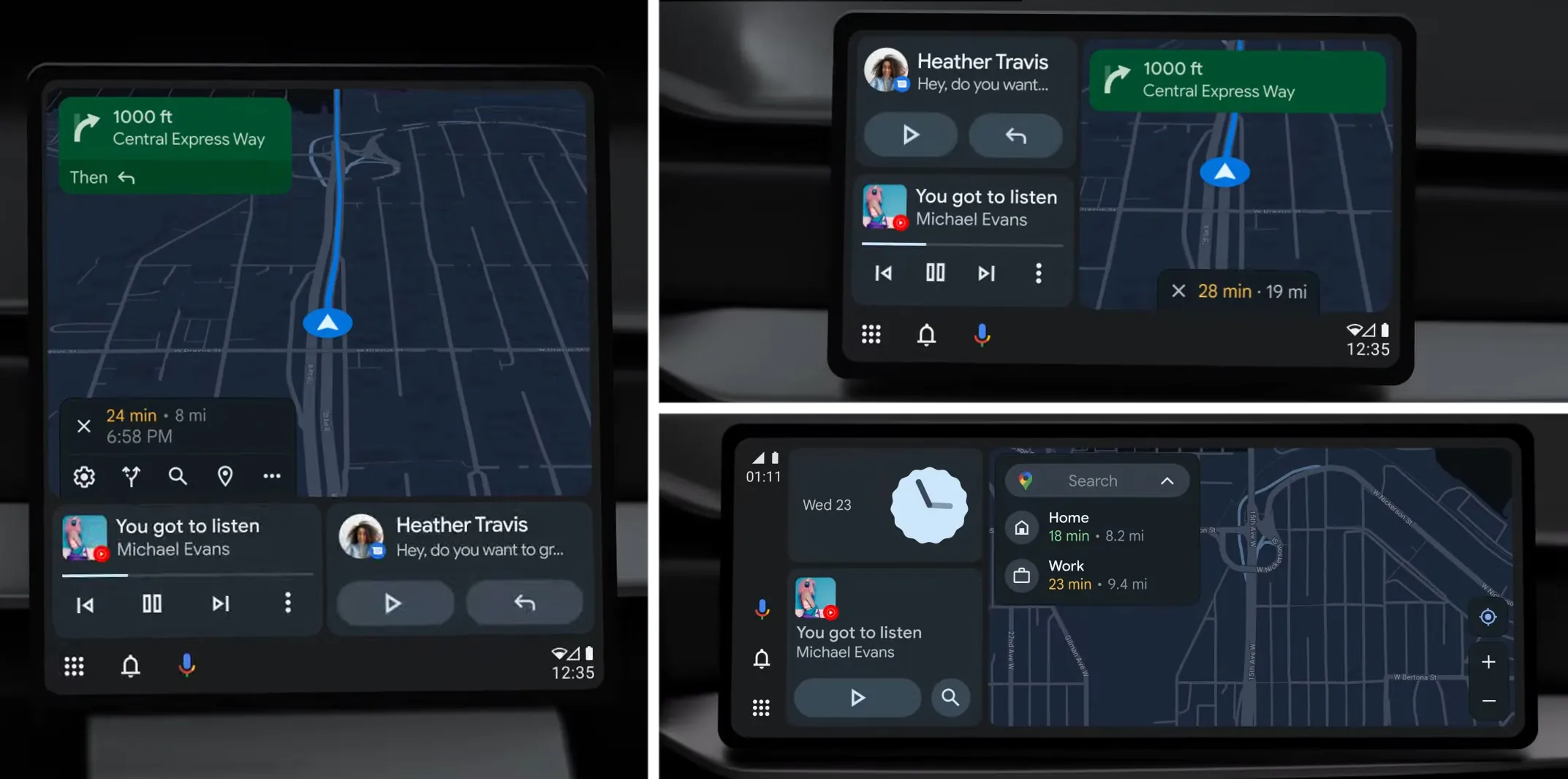
The automotive industry is rapidly turning the driver’s seat into a digital lounge. As EV charging sessions push drivers to wait in stationary vehicles, infotainment systems are competing for their attention. Android Auto recently highlighted a focused lineup of entertainment options designed strictly for parked cars.
According to a report by XDA Developers, four specific games stand out for killing time in a stationary vehicle: ‘Beach Buggy Racing 2’, ‘Angry Birds 2’, ‘Candy Crush Soda Saga’, and the ‘Google GameSnacks’ portal. GameSnacks provides a collection of bite-sized HTML5 mini-games, including Chess. These titles scale properly and run smoothly on native vehicle displays rather than relying on a tethered phone screen.
Google enforces a hard-coded safety policy to prevent distracted driving. The Android Auto system actively monitors the vehicle’s parking mode. It pulls telemetry directly from the car’s CAN bus data, GPS sensors, and the parking brake. If a driver shifts the car into drive, the system instantly locks out the gaming applications.
This cautious rollout mirrors Apple’s strategy with its CarPlay Ultra framework. Apple similarly restricts video and interactive applications exclusively to parked vehicles to comply with road safety standards.
How strict safety APIs dictate the future of in-car entertainment
The expansion of Android Auto and the built-in Android Automotive OS shows a clear industry direction. Android Automotive recently added close to 300 compatible apps. However, the requirement to tether entertainment directly to a car’s physical braking sensors creates a high technical barrier for software developers.
Developers cannot simply port a mobile app to a dashboard. They must integrate with Google’s strict vehicle state APIs. This ensures entertainment only functions when the car is completely immobilized. Connecting digital software directly to physical vehicle telemetry will define how automotive brands compete for consumer attention in the connected car era.