
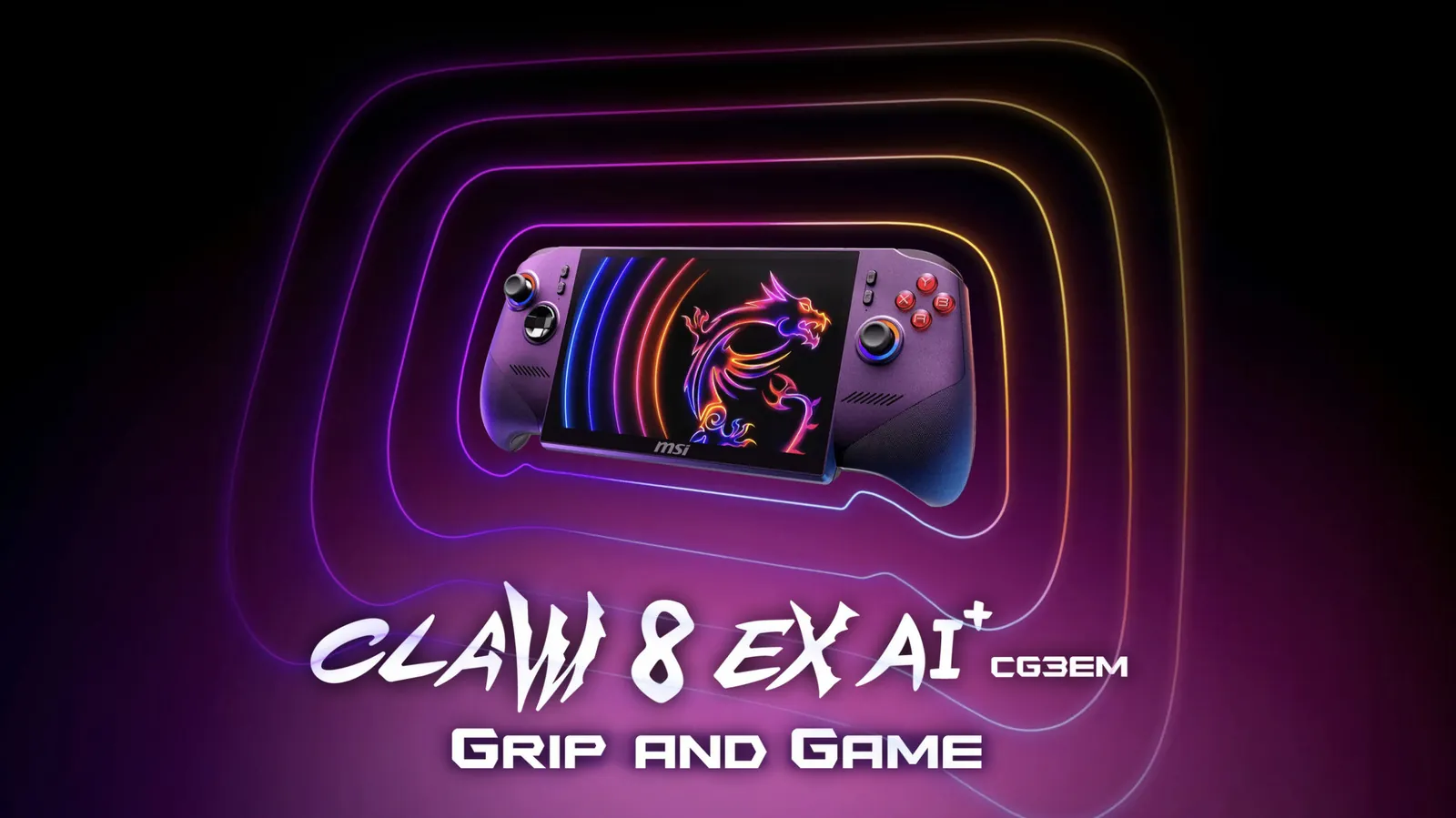
The PC gaming handheld market is experiencing extreme price inflation in 2026 as global manufacturing pipelines prioritize enterprise infrastructure over consumer electronics. Severe component shortages, specifically a 250% price surge in LPDDR5X memory costs, are forcing manufacturers to push portable gaming devices into premium laptop price brackets. AI data centers are absorbing the bulk of memory production from suppliers like Samsung, SK Hynix, and Micron, leaving the consumer hardware sector to absorb the financial impact.
Hardware companies are aggressively adjusting their retail strategies to compensate for the supply chain crunch. Valve recently raised the Steam Deck OLED starting price to $789, moving away from its historically accessible entry points. The ASUS ROG Ally X now retails for $999, while the Lenovo Legion Go 2 begins at $1,199. The ceiling for the market continues to climb, with the upcoming MSI Claw 8 EX AI+ scheduled to launch at a record-breaking $1,699.
Reviving Older Hardware With Emulation
The skyrocketing cost of entry is prompting a distinct shift in how consumers treat their existing hardware. You do not need a $1,000 device to maintain a premium portable experience. Older systems, including the original 2022 Steam Deck or even standard smartphones paired with Bluetooth controllers, excel at game streaming and retro emulation.
Software solutions like Emulation Station (ES-DE), EmuDeck, and RetroDeck are transforming aging hardware into highly capable legacy systems. These platforms provide intuitive, console-like interfaces that organize ROM libraries without requiring constant operating system navigation. Older PC handhelds easily process classic systems ranging from the NES, SNES, and Sega Genesis up to more demanding architecture like the PlayStation 1, Nintendo GameCube, Nintendo DS, and PSP.
How the AI Hardware Pivot Fundamentally Changes Consumer Gaming
The portable PC gaming market is unrecognizably altered from its 2022 origins, when the original Steam Deck launched at just $399. Flagship devices in 2026 now cost more than four times that amount. This pricing shift directly stems from the global tech industry’s pivot toward AI infrastructure, which has fundamentally cannibalized consumer memory production.
As tier-one manufacturers abandon the budget segment to maintain profit margins on expensive RAM components, the entry-level market is fracturing. The price vacuum is making budget-friendly retro handhelds like the Miyoo Mini Plus and the Analogue Pocket much more attractive. More importantly, the hardware stagnation gives gamers a clear financial incentive to learn software configuration, ensuring their older devices remain viable long after the industry attempts to price them out.