
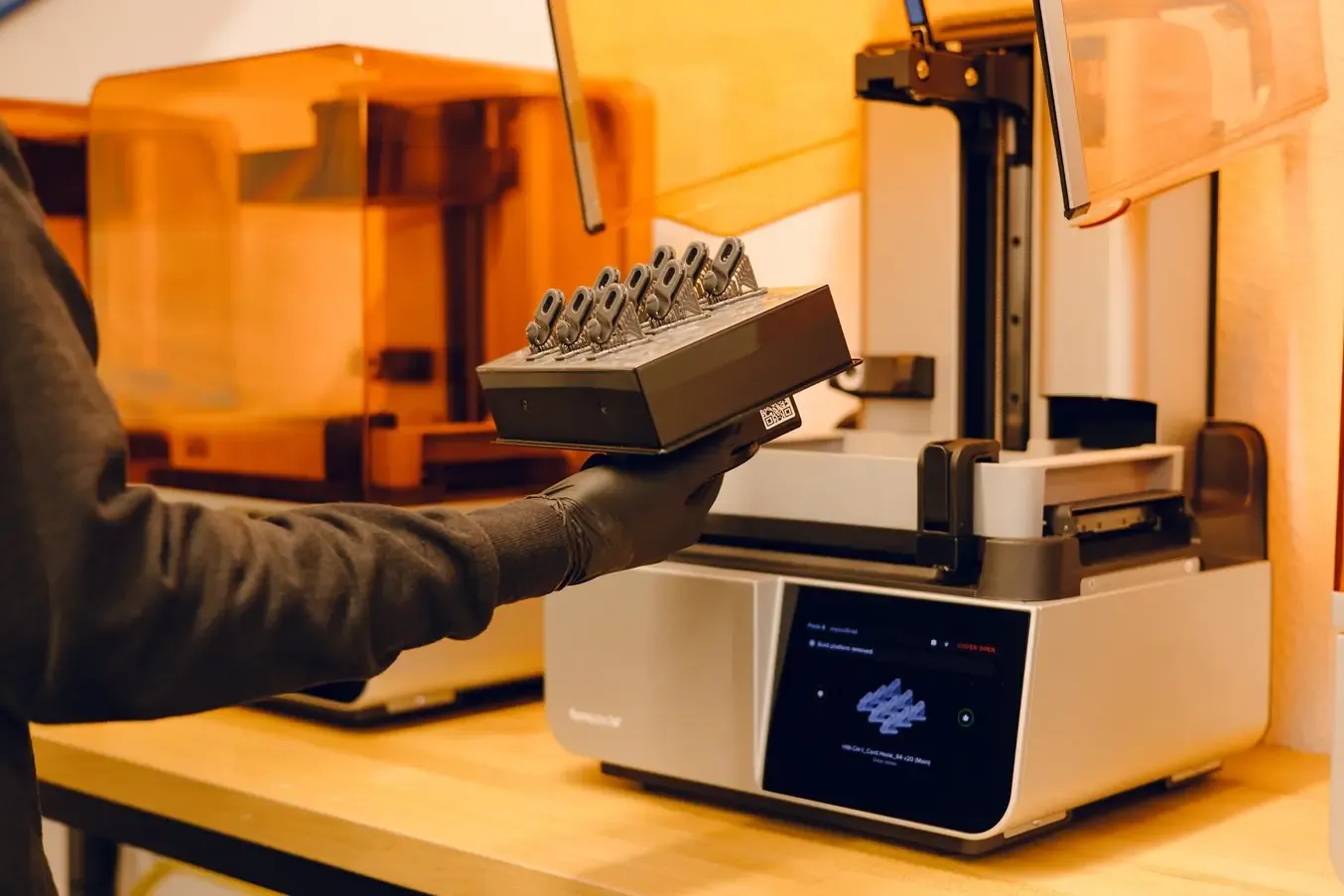
Desktop 3D printers are incredible machines for organizing a workspace or replacing a simple broken plastic clip. The appeal of designing a custom solution and manufacturing it right on your desk is undeniable. But while standard thermoplastic filaments like PLA and PETG are fantastic for cosmetic items and light organizational tools, they fail dangerously when applied to specific types of home repair.
An extensive breakdown published by XDA Developers outlines the strict limitations of DIY home fixes using consumer-grade 3D printers. The core issue is that Fused Deposition Modeling (FDM)—the technology used by almost all hobbyist printers—builds objects layer by layer. This structural reality means printed parts are fundamentally weaker across their layer lines and highly susceptible to specific environmental stresses.
The Three Forbidden Household Fixes
Experts strictly advise against using standard 3D printed parts for any application where failure results in property damage or physical harm. You should completely avoid printing solutions for these three areas:
- Load-Bearing Brackets: A shelf bracket or appliance mount might feel solid in your hands, but plastic slowly deforms under continuous stress. This phenomenon, known as “creep,” means a PLA bracket holding up a heavy shelf will eventually warp and snap under the constant pull of gravity.
- Plumbing Components: Pressurized water systems are unforgiving. Printing custom pipe fittings, valve bodies, or faucet adapters is incredibly risky. Even if the part looks solid, the microscopic gaps between printed layers can allow micro-leaks. A sudden layer split under pressure will instantly cause catastrophic water damage inside your walls or cabinets.
- Electrical and High-Heat Enclosures: Exposing basic thermoplastics to household wiring or high-temperature environments is a severe fire hazard. Standard PLA begins to soften at just 60 degrees Celsius. Using these materials near electrical junctions or heat sources can easily lead to melting, deformation, or ignition, according to safety guidelines that validate the fire, electrical, and material degradation risks associated with consumer filaments.
The Food Safety Gray Area
Beyond structural and thermal limits, the kitchen presents another major hazard. Many enthusiasts attempt to print custom cookie cutters, utensils, or cutting boards. This is highly discouraged without specialized post-processing.
Because FDM printing leaves microscopic ridges and layer lines across the surface of the object, moisture and harmful bacteria accumulate easily. You cannot simply wash these parts out, as hobbyist plastics generally warp or melt under the intense heat of a standard dishwasher. Formlabs explicitly elaborates on the bacterial buildup and sanitation risks associated with these microscopic layer lines in direct food-contact items. Industry experts recommend using dedicated epoxy food-grade sealants to coat any printed object meant for the kitchen.
Why FDM Thermoplastics Void Home Insurance Policies
The gap between hobbyist manufacturing and industrial engineering comes down to structural isotropy and chemical resistance. Certified structural components used in home construction are either injection-molded or machined, giving them uniform strength in all directions. FDM parts are inherently anisotropic; they are strong on the X and Y axes but weak on the Z axis where the layers bond.
This structural reality directly impacts your liability as a homeowner. Using DIY printed parts for plumbing connections or electrical junction boxes bypasses standardized building codes. If a printed water valve fails and floods your kitchen, or a printed electrical housing melts and causes a fire, insurance adjusters can quickly trace the failure back to an uncertified, non-compliant modification. The short-term convenience of printing a $2 plumbing adapter is never worth the risk of a voided insurance claim and thousands of dollars in property damage.