
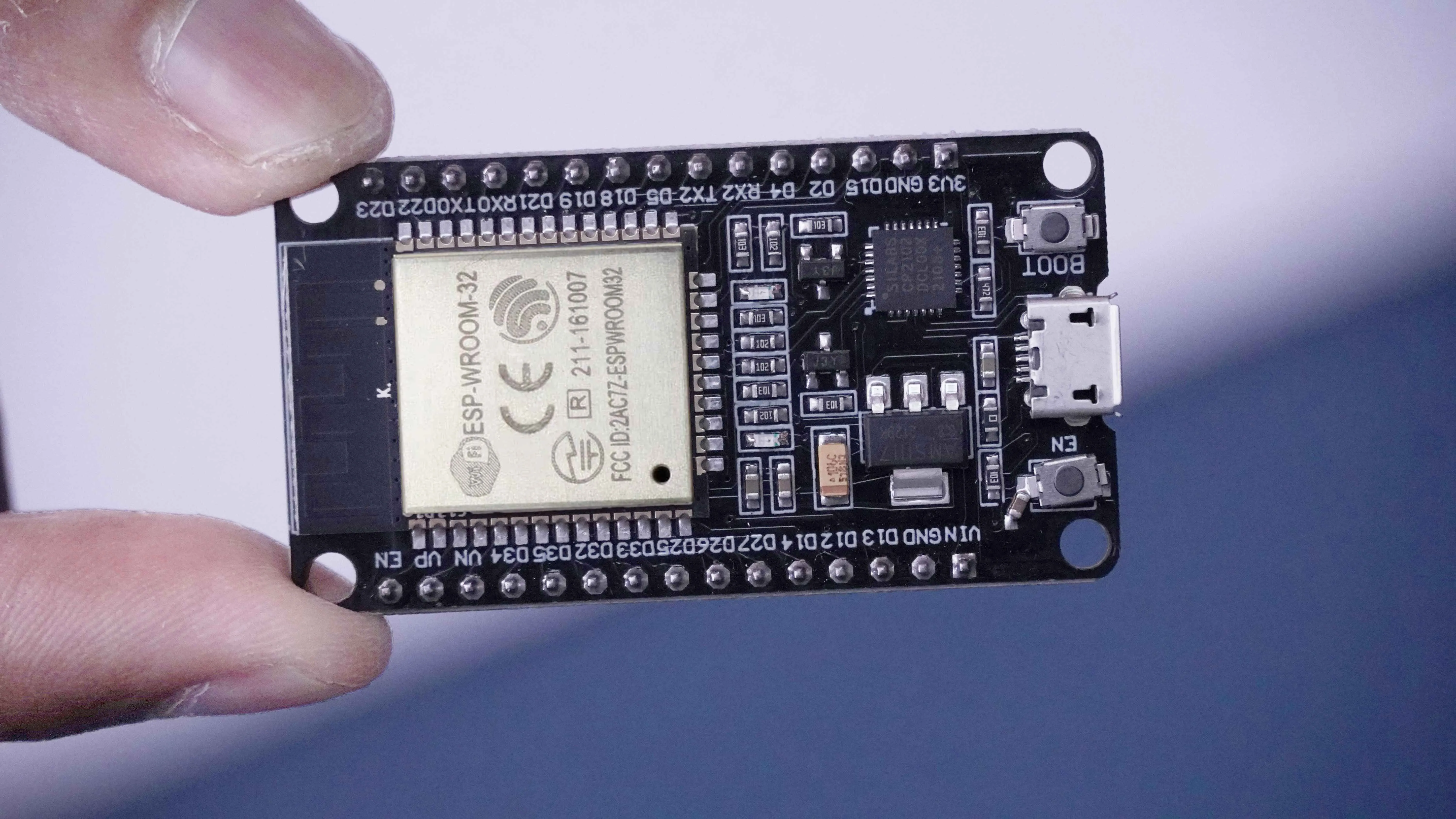
Consumers are aggressively cutting ties with cloud-dependent smart home hardware in 2026, driven by a growing rejection of subscription fees and network privacy concerns. Instead of paying monthly fees for proprietary ecosystems, tech enthusiasts are building their own local-first devices using cheap ESP32 microcontrollers. This DIY approach blocks hardware from accessing the wider internet, relying instead on localized Home Assistant servers to manage daily automation.
The transition centers on replacing established commercial products like Ring doorbells and Nest thermostats with custom-built sensors that cost a fraction of retail prices. By utilizing open-source ESPHome firmware, users are assembling high-precision water leak detectors for $10 and environmental air quality monitors for under $30. These setups bypass cloud routing entirely, keeping household data strictly within the physical boundaries of the home.
What We Know
- A localized doorbell alternative utilizes an ESP32-S3-EYE board and an OV2640 camera module to stream 1024×768 MJPEG video at 10 frames per second.
- The latest ESPHome 2026.4 firmware update introduced zero-copy APO scores, accelerating sensor update speeds by up to 46 times.
- Building these custom modules requires foundational knowledge of C programming, ESPHome configuration, and 3D printing for physical enclosures.
The financial incentives are clear, as builders utilize modules like the LD2410C presence sensor to create automated triggers for under $15, according to a breakdown of costs. Scaling these systems across a property requires selecting the correct chip variant, as the ESP32-S3 and ESP32-C6 handle complex processing for both residential and smart city deployments. This hardware flexibility allows for the constant reusability of ESP32 components, with newer ESP32-C6 boards now integrating natively with Thread and Matter standards.
While security cameras and sensors dominate the local hardware push, synchronized audio is also moving offline. The recent ESPHome 2026.3 update overhauled the software’s media player architecture to enable high-fidelity I2S output directly from the microcontroller. Because standard ESP32 CPUs operate at 240MHz, users are constructing multi-room audio nodes that achieve tighter synchronization times than many commercial Wi-Fi speakers.
How Local Hardware Subverts Amazon and Google Subscription Models
The rapid maturation of ESPHome presents a direct, functional threat to the cloud-locked ecosystems operated by major technology companies. Amazon’s Ring and Google’s Nest rely heavily on recurring monthly subscription fees to unlock basic features like video recording and historical data access. By offering local-first control and passing button press events directly to internal servers, the DIY community is successfully bypassing the required cloud infrastructure of big-tech hardware manufacturers. This shift proves that hardware independence is practically attainable for consumers willing to learn basic routing and component assembly.