
People complain that generative AI spits out boring, homogenized text. They call it “slop.” But a new educational guide from AI scientist Dr. Lance B. Eliot argues the technology isn’t actually broken. The problem is how we talk to it.
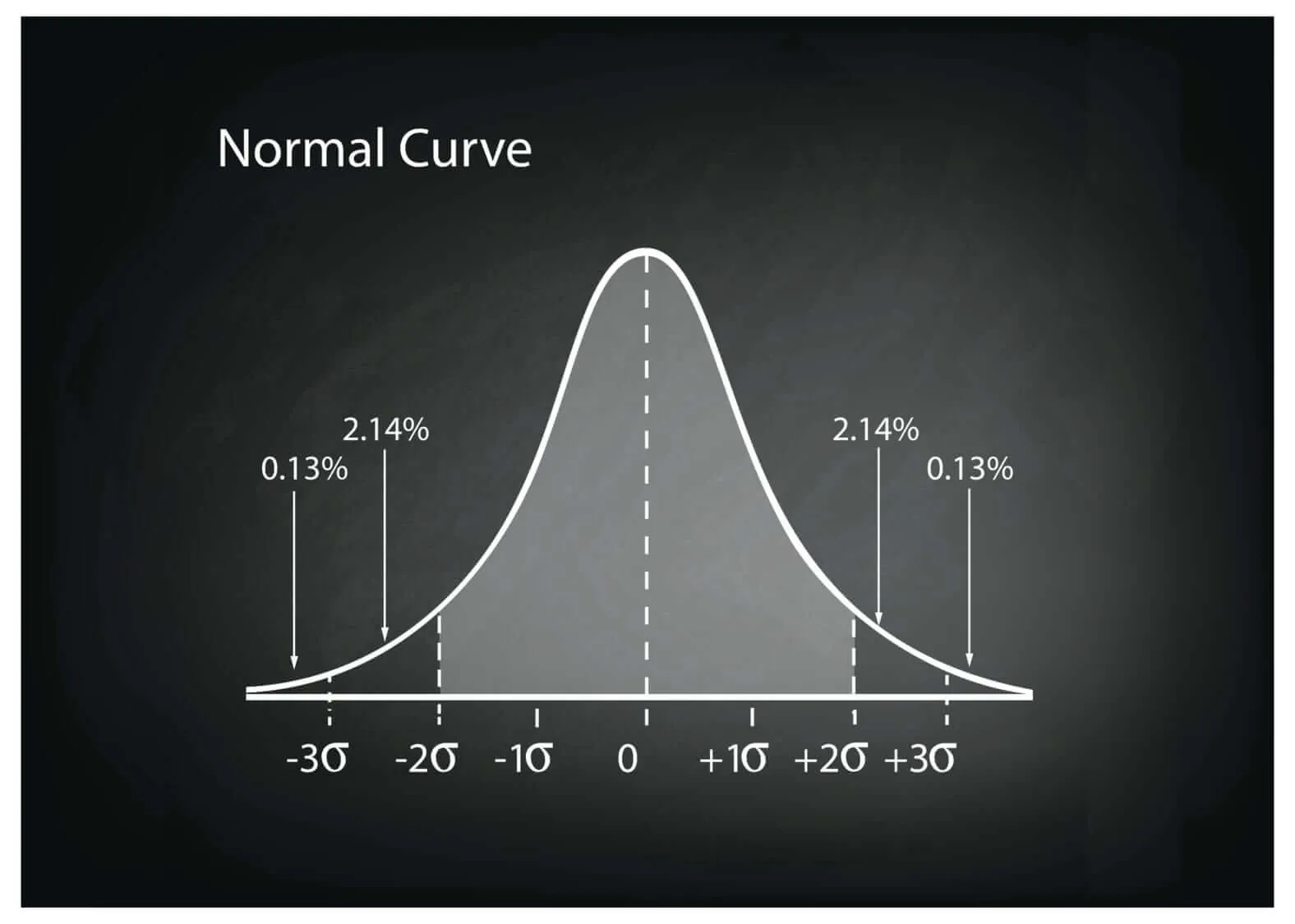
When given a basic request, Large Language Models automatically default to the statistical center. They give you the most moderate, conventional, and mainstream narrative possible. It is the literary equivalent of beige.
The Sports Car Problem
Eliot compares this basic interaction to driving a high-performance sports car but refusing to touch the advanced features. If you just hit the gas without adjusting the tuning, you get a muddy experience. Users keep hitting standard inputs and getting average results. They walk away assuming the AI simply lacks depth.
There is hard science backing this up. Recent research shows that looking at narrative features alone gives a 93.2% success rate in detecting whether a human or an AI wrote a piece of text. AI defaults are programmed to over-explain themes. They favor tidy, single-track plots. Human writers naturally introduce temporal complexity and moral ambiguity.
Tech communities like Hacker News call this “semantic ablation.” This is the process where safety filters smooth out all the distinct, jagged edges of a human voice until only safe boredom remains.
How To Break The Filter
To break the AI out of its statistical comfort zone, you have to use pragmatic prompt engineering. Seasoned engineers rely on over 80 documented techniques to bypass these default safety filters. They are forcing the models to stop averaging out the internet and start returning complex storytelling.
How the 93.2% Detection Metric Shifts AI Content Standards
The fact that researchers can identify AI text 93.2% of the time purely through its lack of complex storytelling changes how we approach digital writing. The ongoing evolution of AI usage has shifted away from simple conversational queries. Structured, technical prompt engineering is now the only reliable method to bypass the increasingly restrictive safety filters built into modern systems.
If an LLM structurally avoids moral ambiguity by default, users have to engineer that ambiguity back into the prompt manually. Relying on the default output guarantees homogenization.