
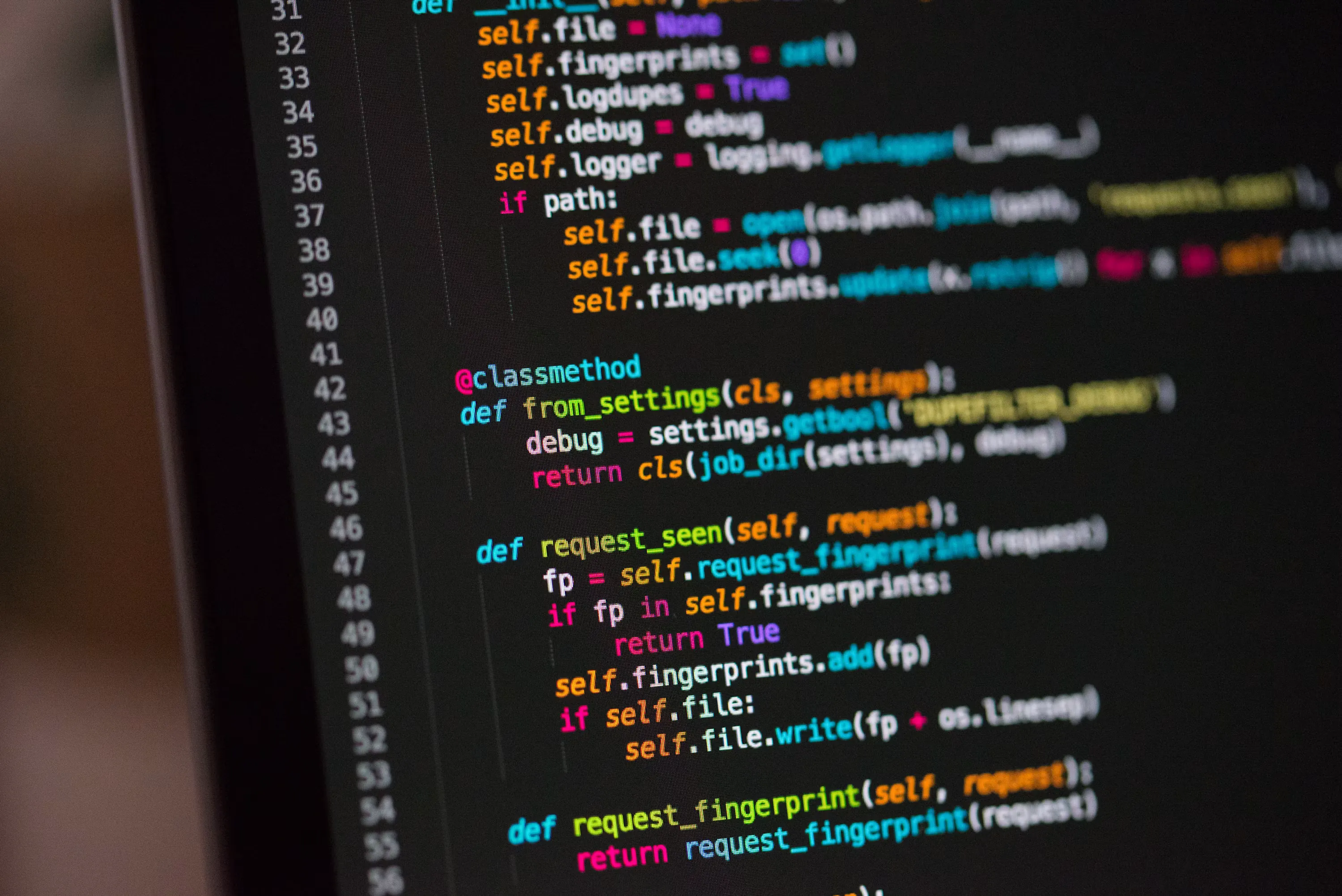
The barrier to entry for independent software development is dropping. Enthusiasts are now building functional video games by relying heavily on “vibe-coding”—a process where users guide agentic AI to write the underlying software logic. One creator recently documented their journey of building a dream game proof-of-concept using a local instance of Google’s Gemma4 alongside Anthropic’s Claude.
Instead of spending years learning engine architecture, these developers are conversing with AI to build out Python scripts and database foundations. The specific setup uses a quantized version of Gemma4 (Gemma4:e4b) running locally via Ollama. It fits entirely within the VRAM of a standard GeForce RTX 4070 Ti graphics card.
This hybrid approach mixes local processing with powerful cloud agents. The local model handles low-latency, private tasks, while Claude tackles the heavy lifting for the complex logic. The developer used Python libraries like Pygame and OpenPyXL to structure the data environment before rendering the actual gameplay mechanics.
The trend goes far beyond simple 2D scripts. The broader developer community is actively experimenting with specialized Claude Code skills to automate components inside robust engines like Godot and Unreal Engine. Another user recently shared their success in generating functional Python games that operate identically to traditional hand-coded software. Meta’s LLaMA 3.1 is also being tested for real-time intelligent NPC behavior.
Why Agentic AI is Replacing the Traditional Game Engine Learning Curve
Historically, independent game development required mastering a steep technical entry curve, including specialized coding languages and design patterns. The integration of local LLMs and agentic AI compresses that barrier into a conversational workflow.
Creators no longer need to memorize syntax or troubleshoot basic formatting errors. They act as directors, outlining the mechanics and the intended user experience, while the AI handles the execution. This allows non-programmers to prototype functional mechanics and intelligent characters in a fraction of the time it took just a few years ago.