
The tech industry is currently stuck in a severe memory crisis. Major hyperscalers like Microsoft, Google, AWS, and Meta are buying up the entire global supply of NAND flash storage to build artificial intelligence data centers. Because of this infrastructure boom, ordinary consumers are getting priced out of high-speed NVMe and PCIe M.2 SSDs, which have seen price hikes between 100% and 300% since mid-2025.
This supply drain means hardware prices are highly unlikely to return to their normal baseline anytime soon. A recent guide published by XDA Developers on June 12 advises consumers to heavily consider reverting to older SATA SSDs. Instead of paying steep cloud subscription fees or large premiums for high-end M.2 drives, affordable 1TB and 2TB SATA drives now offer the most compelling price-to-performance ratio for everyday PC users.
What We Know
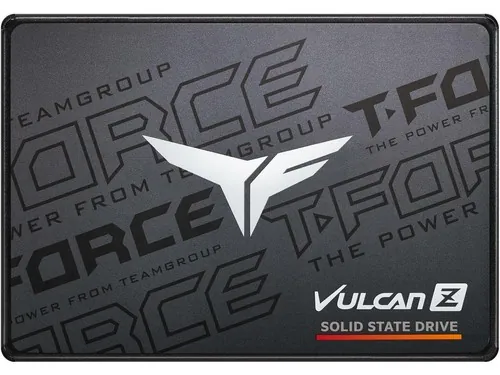
- Affordable SATA options, such as the TeamGroup Vulcan Z SA3, are becoming the go-to recommendation for budget storage.
- NAND wafer spot prices have spiked between 246% and 757% over stable baselines.
- Manufacturers are actively reducing consumer NAND production allocations to redirect resources toward high-margin AI enterprise storage.
This shortage definitively ends the 2023 era of cheap storage, back when high-quality 1TB NVMe drives routinely dropped below $50. Recent live tracking data verifies the extreme cost increases across all NVMe form factors during this 2026 pricing crunch. PC builders are finding it increasingly difficult to source fast storage without breaking their budgets.
The hardware crunch is hitting every level of the supply chain. Laptop manufacturer Framework actively warned its customers of impending storage price hikes. Meanwhile, top-tier storage executives from Western Digital and Kioxia publicly stated their production lines are effectively tapped out. A Kioxia executive confirmed that corporate NAND supply is fully sold out for the entirety of calendar year 2026 due to locked-in AI enterprise agreements.
How the AI Infrastructure Boom is Forcing PC Builders to Compromise
The shift back to SATA technology highlights exactly how the artificial intelligence rush physically alters the consumer hardware market. Storage manufacturers are actively reallocating their production lines away from standard PC parts to focus on High-Bandwidth Memory and expensive enterprise servers. The average PC builder or gamer now has to choose between paying a huge premium for a 7,000 MB/s M.2 drive or settling for a 500 MB/s SATA connection.
For basic everyday computing, web browsing, and even most gaming applications, that speed difference is surprisingly difficult to notice in real-world use. The older SATA standard bottlenecks heavy file transfers, but it still provides the quick boot times people expect from solid-state technology. Until the enterprise demand for AI training hardware cools down, utilizing older connection standards remains the most practical way to build a computer.