
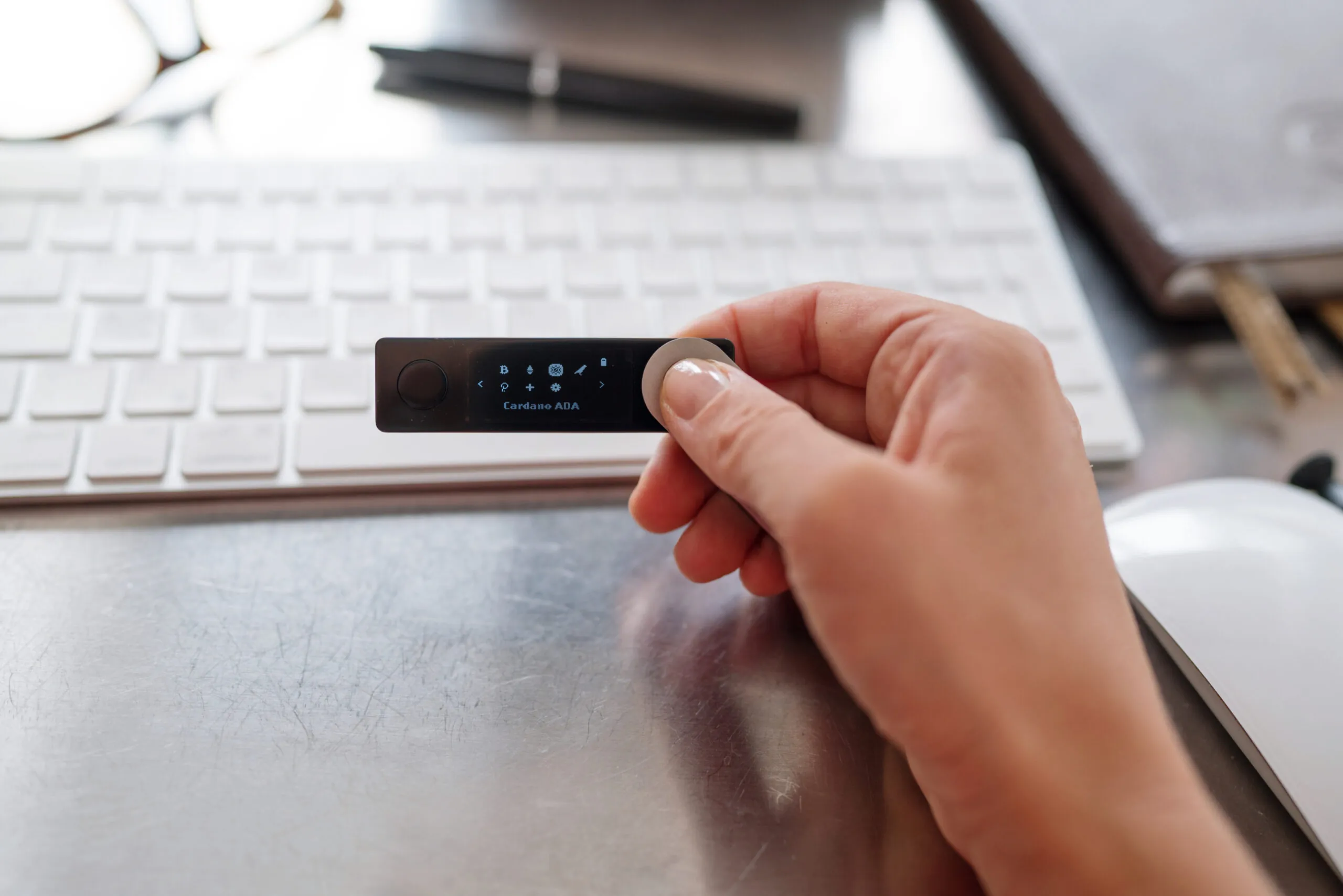
To secure your cryptocurrency against physical and digital theft, you must isolate your private keys from the internet using cold storage hardware wallets, protect your recovery seed phrases on durable offline physical media, and enforce cryptographic access controls like multi-factor authentication or multi-signature setups. The entire system relies on keeping the secret numbers that control your funds completely hidden from both online hackers and physical intruders. If an attacker gains access to these numbers, they control your wealth instantly and permanently.
The math behind blockchain security is actually beautiful. When you create a cryptocurrency wallet, the software uses a random number generator to pick a private key. This private key is a number so large that it is difficult for the human mind to comprehend. It is a 256-bit number, which means there are more possible key combinations than there are atoms in the visible universe. Because guessing this number is mathematically impossible, thieves do not try to guess it. Instead, they look for clever ways to make you hand it over, or they search for places where you left it exposed.
Step-by-Step Instructions for Absolute Crypto Isolation
Securing your digital assets requires a deliberate shift from convenience to strict protection. The first step is to move the majority of your funds away from internet-connected software and into a dedicated hardware device. This process cuts the digital strings that hackers use to reach your funds.
- Initialize a clean hardware wallet. Unbox a brand-new hardware device from a trusted manufacturer. Check the physical packaging to ensure the anti-tamper seals are intact. Plug the device into your computer or smartphone using the official software provided by the manufacturer. Never use a device that came with a pre-configured seed phrase.
- Write down the recovery seed phrase offline. The hardware device will display a sequence of 12 to 24 random words on its built-in screen. Write these words down on a physical card using a permanent pen. Do not type them into a computer, do not take a photo with your phone, and do not store them in a cloud account. This sequence is the master key to your entire wealth.
- Confirm the phrase on the device. The hardware wallet will ask you to verify the words in the exact sequence they appeared. Press the physical buttons on the device to complete this verification. This step ensures that your written backup is perfectly accurate before you deposit any funds.
- Transfer your assets to the new cold addresses. Open your old software wallet or your exchange account. Copy the public receiving address generated by your new hardware wallet. Send a small test transaction first to ensure everything works. Once the test arrives safely, transfer the remaining balance.
- Secure the physical backup. Take the written seed phrase and place it in a secure location. Many users choose a fireproof safe or a locked drawer. For advanced protection, transfer the words onto a steel plate that can survive water damage or extreme heat.
And that is the fundamental baseline for keeping your tokens safe. By ensuring that the private key never touches a machine connected to the internet, you eliminate the threat of remote hacking scripts. But you must remain disciplined during every single transaction you make in the future.
Feature Comparison: Hot Wallets versus Cold Storage
Understanding the difference between hot and cold storage helps you decide where to keep your funds depending on your daily needs. Hot wallets run on devices like your phone or laptop. They are excellent for fast trades, interacting with decentralized applications, or buying things on the fly. Because they stay online, the private keys live inside the software of your operating system. This configuration means that a sophisticated piece of malware or a malicious link can potentially scrape the keys right out of your device memory.
Security professionals at Zimperium point out that a big chunk of digital attacks involve network interception or malware designed to grab data while it moves across the web. This reality makes hot wallets a risky place to hold large amounts of capital for long periods.
Cold storage devices operate on a completely different philosophy. These small gadgets are designed to do only one thing: hold private keys and sign transactions in an isolated environment. When you want to send crypto, the hardware wallet signs the transaction internally and sends only the completed signature back to your computer. The private key itself never leaves the physical boundaries of the chip. Even if your laptop is completely infected with viruses, the attacker cannot pull the private key out of the hardware wallet. You have to physically press a button on the gadget to approve any movement of money.
Centralized exchanges are another option, but they function as custodial platforms. When you leave your tokens on an exchange, you do not hold the private keys at all. The exchange holds them for you. Security experts from Kaspersky emphasize that keeping large balances on centralized platforms exposes your funds to platform hacks, making a personal wallet the smarter path for long-term storage. If the exchange goes under or gets locked down by authorities, your access to your money vanishes instantly.
Common Issues and Fixes
Even with the best hardware, human error remains the biggest vulnerability in cryptocurrency management. Phishing scams are the most common way people lose their assets. Attackers build fake websites that look identical to popular wallet providers or decentralized platforms. They might send you an urgent email claiming your account is locked. When you connect your wallet or type your seed phrase into their form, they steal your keys in seconds. The fix is simple: never type your 12 or 24 words into any digital device except the hardware wallet itself. No legitimate support agent will ever ask for your seed phrase.
Another major issue is SIM-swapping, which hits users who rely on basic phone security. Hackers call your mobile provider, pretend to be you, and convince the agent to move your phone number to a new SIM card. Once they control your number, they intercept the text messages used for two-factor authentication on your exchange accounts. They reset your passwords and drain your balances before you even notice your phone lost its signal.
- Fix: Switch away from SMS-based verification immediately. Use dedicated authenticator apps that generate time-based codes locally on your phone. For maximum safety, buy a physical hardware security key that plugs into your USB port to verify your identity.
- Fix: Contact your mobile carrier and demand that they place a strict verbal PIN on your account. This step prevents any changes to your SIM card without a specific password that only you know.
Physical loss or destruction of your hardware wallet can also cause panic. People drop their devices in water, run them over with cars, or simply misplace them during a move. But a broken device does not mean your coins are gone. Your digital assets live on the blockchain network, not inside the plastic gadget itself. The gadget is just a tool to access them. If you have your written seed phrase, you can buy a new device from any brand, enter the words, and restore your entire balance instantly.
But what if you lose the seed phrase itself? According to cyber safety guidelines from the New Zealand government, losing your backup means your funds are gone forever because there is no central system to execute a wallet recovery for you. Blockchains have no corporate headquarters and no password reset links. If your house fires destroy your paper backup and you did not make a second copy in a separate geographic location, your wealth is lost to the void. This outcome shows why durable materials like stainless steel backups are so important for long-term peace of mind.
Alternative Methods and Enterprise Tools
For individuals with substantial holdings or businesses managing digital assets, standard hardware wallets might create a single point of failure. If an armed thief forces you to open your safe and hand over your hardware device and PIN, they can steal everything. To combat this physical threat, you can use advanced cryptographic structures like multi-signature wallets. These systems require multiple distinct keys to sign a single transaction before the blockchain accepts it.
You can set up a system where you need two out of three keys to move funds. You could keep one key on your personal laptop, one on a hardware wallet in your home, and a third in a safety deposit box at a bank. If a thief robs your house, they only get one key. They cannot move a single cent because they do not have the second key from the bank. This distribution of power completely changes the math for potential attackers.
Another modern alternative used by large institutions is Multi-Party Computation. This method breaks a private key into separate mathematical shards before it is even created. The shards are distributed among different computers or participants. When a transaction needs approval, the shards interact mathematically to create a valid signature without ever assembling the full private key in one single place. This process eliminates the risk of a single employee turning rogue or a single server getting compromised by an advanced digital attack.