
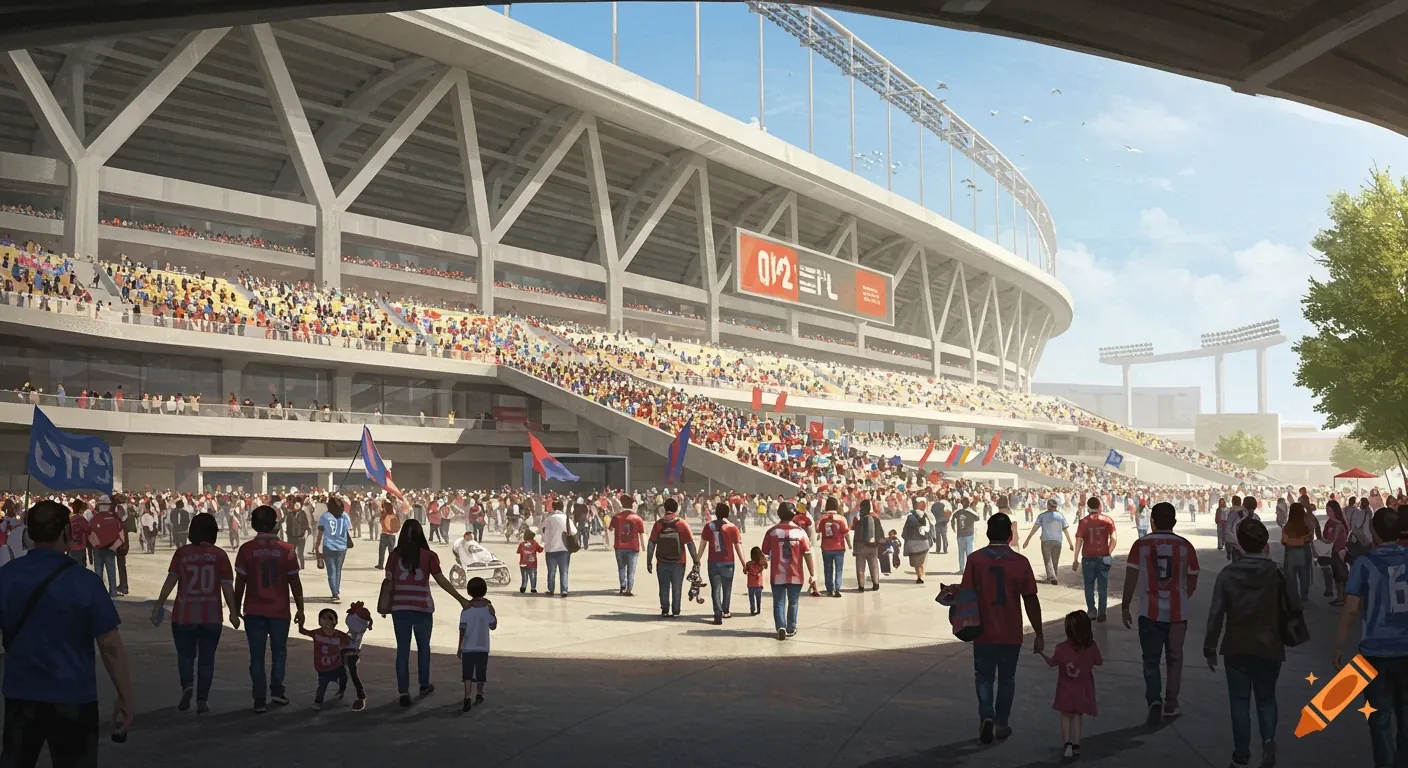
Secret Service security protocols at public arenas work by establishing a highly coordinated, multi-layered defense system that transforms a standard sports venue into a fortified zone. This process relies on a clear division of federal labor, strict access control, and extensive physical perimeters to protect dignitaries while allowing the athletic event to proceed. The agency assumes total control over the operational security design, deploying specialized units and altering normal stadium rules to eliminate potential vulnerabilities well before the opening whistle blows.
How Secret Service Security Protocols Work
The operational framework for securing a sports stadium or civic arena rests on federal law. The Presidential Protection Act of 2000 gave the agency official legal authority to participate in the planning and execution of security operations at events of national significance. When a game or tournament gets this official status, the agency takes the lead. They direct the design of the entire security layout inside and outside the building. Other federal entities help with specific tasks. The FBI takes charge of intelligence gathering, counterterrorism monitoring, and criminal investigations, while the main agency focuses entirely on physical protection.
Securing the venue involves creating concentric circles of safety. The outermost layer begins far beyond the arena turnstiles. Agents set up a hard perimeter using heavy anti-climb barricades and concrete vehicle barriers. Local police departments close down surrounding streets to stop unauthorized cars or trucks from getting near the walls. This boundary acts as the first line of defense against outside hazards.
Closer to the building, access becomes strictly limited. Anyone who works at the venue must pass through specific check stations. Personnel like stadium staff, media members, and team vendors receive special credential badges. These badges often contain RFID microchips. This technology ensures that workers only go into the specific zones where they have clearance, such as the locker rooms, media lounges, or court-side areas.
Advanced Screening and Detection Tech
The entrances for everyday fans undergo a major transformation under federal supervision. Security teams set up walk-through metal detectors at every open gate. They also establish dedicated inspection lanes with X-ray machines to scan approved medical gear and television production equipment. Handheld wand scanners are used by security staff to check individuals who trigger the main metal detectors.
Inside the facility, agents utilize the existing stadium infrastructure but upgrade the monitoring process. They integrate the arena network of hundreds of security cameras into a centralized command center. This setup lets teams track concourses, seating bowls, and parking structures in real-time. Personnel watch for unusual crowd patterns or unattended objects throughout the entire event.
When These Protocols Apply to Sports Arenas
Standard sports games do not require federal protection details. These protocols apply when the Department of Homeland Security designates a game as a National Special Security Event, or when a protected official decides to attend a matchup. High-profile championship games or events with large gatherings of foreign dignitaries routinely trigger these high-level security measures.
The arrival of a protected individual changes how a sports venue operates for the day. Normal stadium procedures are paused. The federal team coordinates with local law enforcement and stadium executives to alter the environment. This includes inspecting the entire building before the gates open to ensure no hazards exist inside the walls.
The agency relies heavily on its Uniformed Division to manage the physical layout of these physical spaces. This unit specializes in controlling large crowds and protecting specific structural points. They map out the exact routes the protected individual will take through the tunnels, hallways, and seating areas of the stadium.
Specialized Tactical Deployment
The security plan incorporates several highly trained units that fans rarely see during a regular season game. The agency deploys its own specialized units to handle specific threats. Canine teams perform detailed sweeps of the seating rows, luxury suites, and locker rooms to search for explosives before anyone enters the building.
Countersniper teams take positions on the roof or in high catwalks. These marksmen use advanced optics to monitor open areas and high-risk sightlines around the arena. Emergency response units stay stationed in hidden areas of the stadium. These teams are armed and ready to deploy instantly if an active threat occurs during the game.
Famous Examples from Major Games
A clear example of these security systems in action happened at Madison Square Garden during an NBA Finals game. When President Donald Trump attended Game 3 of the series between the New York Knicks and the San Antonio Spurs, the entire arena environment changed to accommodate the protection detail. The operation required a massive joint effort between federal agents, the TSA, and local police officers.
The fan experience was completely different from a standard basketball game. Security teams instituted a total ban on bags for everyone entering Madison Square Garden. Fans had to arrive much earlier than usual because gates opened a full two hours before the opening tip-off to give security workers enough time to process the crowd through the enhanced screening lanes.
The surrounding neighborhood faced a strict lockdown. The local police department closed off all vehicle and pedestrian traffic from West 30th Street to West 35th Street between 6th and 8th Avenues. This created a large, secure perimeter around the arena. Only ticketed spectators and credentialed arena workers could walk into the restricted zone near the building.
Common Misconceptions
Many sports fans believe that the federal government completely replaces local stadium security officers during these high-profile visits. This is not true. Federal agents do not have the manpower to run an entire arena alone. They design the overarching plan and manage the inner security rings, but they rely on local police officers and private stadium guards to handle basic crowd control and ticket scanning.
Another common belief is that security forces only monitor the inside of the arena where the game happens. In reality, the protection plan covers the air and the surrounding environment. Federal rules trigger Temporary Flight Restrictions over the stadium, which bans drones and small aircraft from flying near the venue. Security teams also set up monitoring equipment to detect chemical, biological, or radiological hazards in the air around the property.
Some people think that these protocols cause long delays for the athletes themselves. The security teams actually create completely separate, isolated entry points for players and coaches. These zones are swept by canine units and guarded by armed personnel long before the teams arrive, ensuring that the athletes move safely from their buses to the locker rooms without entering public spaces.
Frequently Asked Questions
What makes a sporting event a National Special Security Event?
The Department of Homeland Security decides on this status based on several specific factors. They look at the historical significance of the game, the total number of expected fans, the attendance of high-ranking political officials or foreign leaders, and current threat assessments provided by intelligence agencies.
How do security teams check the arena before a game starts?
Specialized canine units and technical teams enter the empty stadium hours before the public arrives. They conduct a physical sweep of every section, including the seating bowls, concession stands, luxury boxes, and underground tunnels, checking for any unauthorized items or potential safety hazards.
Can fans bring clear bags into an arena under Secret Service protocols?
Standard arena clear-bag policies are usually canceled when high-level federal protection details are active. During these specific events, security teams enforce a strict rule that prohibits all public bags from entering the building, meaning fans must carry their personal items in their pockets.
What happens to the airspace above an arena during these events?
The federal government establishes a Temporary Flight Restriction zone directly over the stadium. This rule prohibits all unauthorized aircraft, including private planes, helicopters, and commercial drones, from flying within a specified radius of the sports venue while the security protocols are active.