
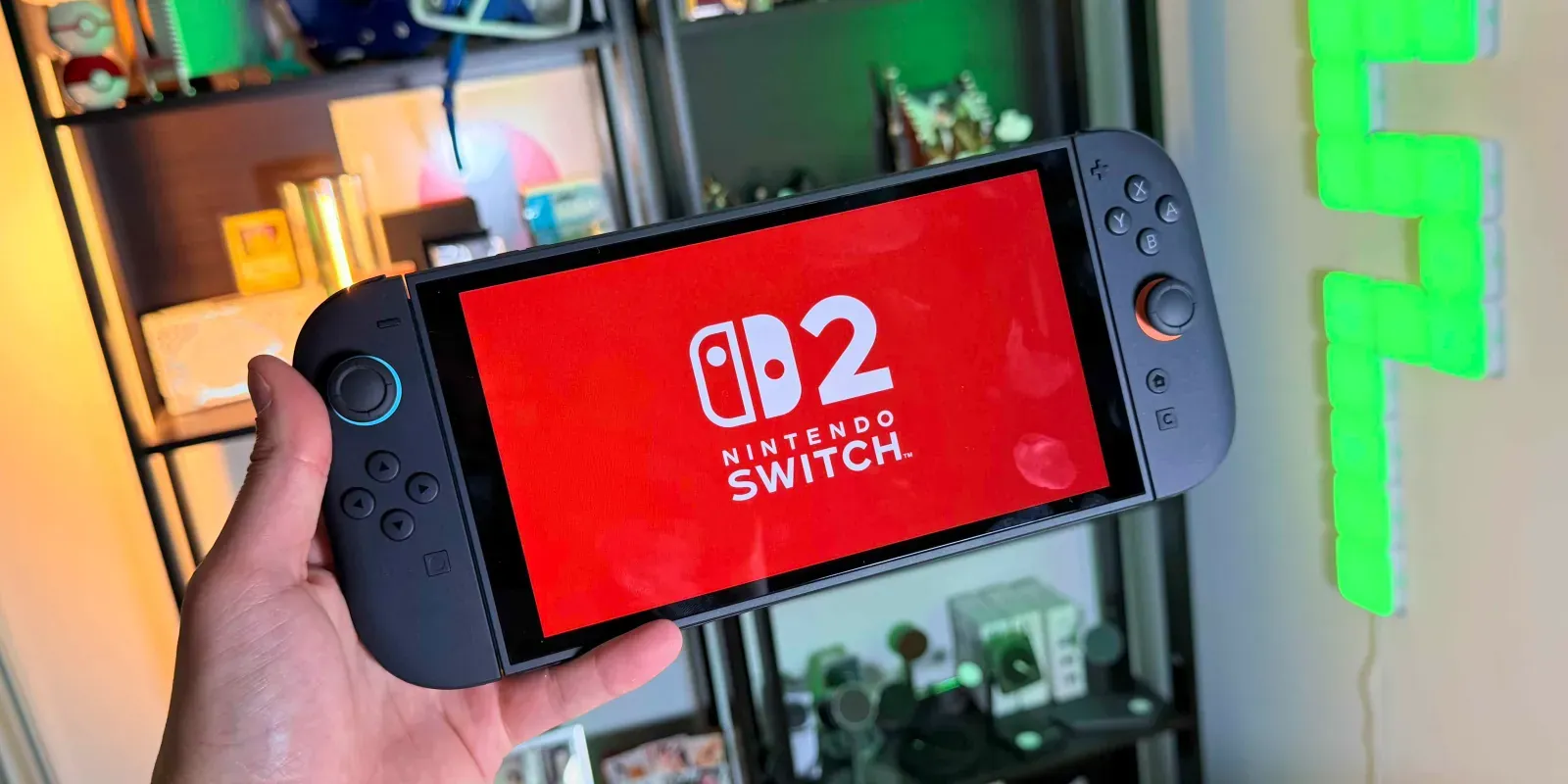
The rigid architectural wall dividing mobile devices and traditional PC gaming just fractured. Valve’s Proton 11 Beta successfully booted the desktop Steam client on an original 2017 Nintendo Switch, proving that heavy x86 processors are no longer a strict requirement for portable PC libraries. The decade-old Nvidia Tegra chip inside the Switch obviously struggles to render actual gameplay at playable frame rates, but the successful UI initialization marks a fundamental software change for the handheld industry.
This technical breakthrough relies on the integration of the FEX 2604 translation layer into Proton 11.0-Beta1. The tool actively translates x86 Windows instructions so they can be understood and executed on ARM64 Linux devices, according to hardware testing data. Until recently, the portable hardware market was strictly segregated by architecture. Arm processors were exclusively used for Android titles and retro emulation, while power-hungry x86 machines like the Steam Deck or ASUS ROG Ally handled native PC games.
Valve’s aggressive software push toward ARM architecture is not an isolated experiment. Industry watchers indicate this development is directly tied to the upcoming launch of Valve’s highly rumored “Steam Frame” standalone VR headset, which technical reports suggest will run SteamOS natively on a Qualcomm Snapdragon 8 Gen 3 system-on-chip.
How Snapdragon Handhelds Capitalize on Proton’s ARM Support
Third-party hardware developers are already moving to exploit this architectural bridge. Manufacturers such as AYN, Ayaneo, and Retroid are seeing their enthusiast communities install the Rocknix Linux distribution to run Steam directly on Snapdragon-powered devices.
By utilizing this translation layer, these lighter, battery-efficient Android handhelds are successfully achieving highly playable performance in older or less demanding PC titles. The ability to run standard Steam libraries on ARM hardware effectively bypasses the need for a dedicated x86 processor, threatening the current dominance of heavier, traditional PC handheld designs.