
The relentless data center expansion fueling global AI development is quietly suffocating the everyday PC builder. With corporate server farms consuming the world’s supply of DDR5 memory and modern SSDs, the cost of upgrading to a current-generation computer has completely priced out millions of average consumers.
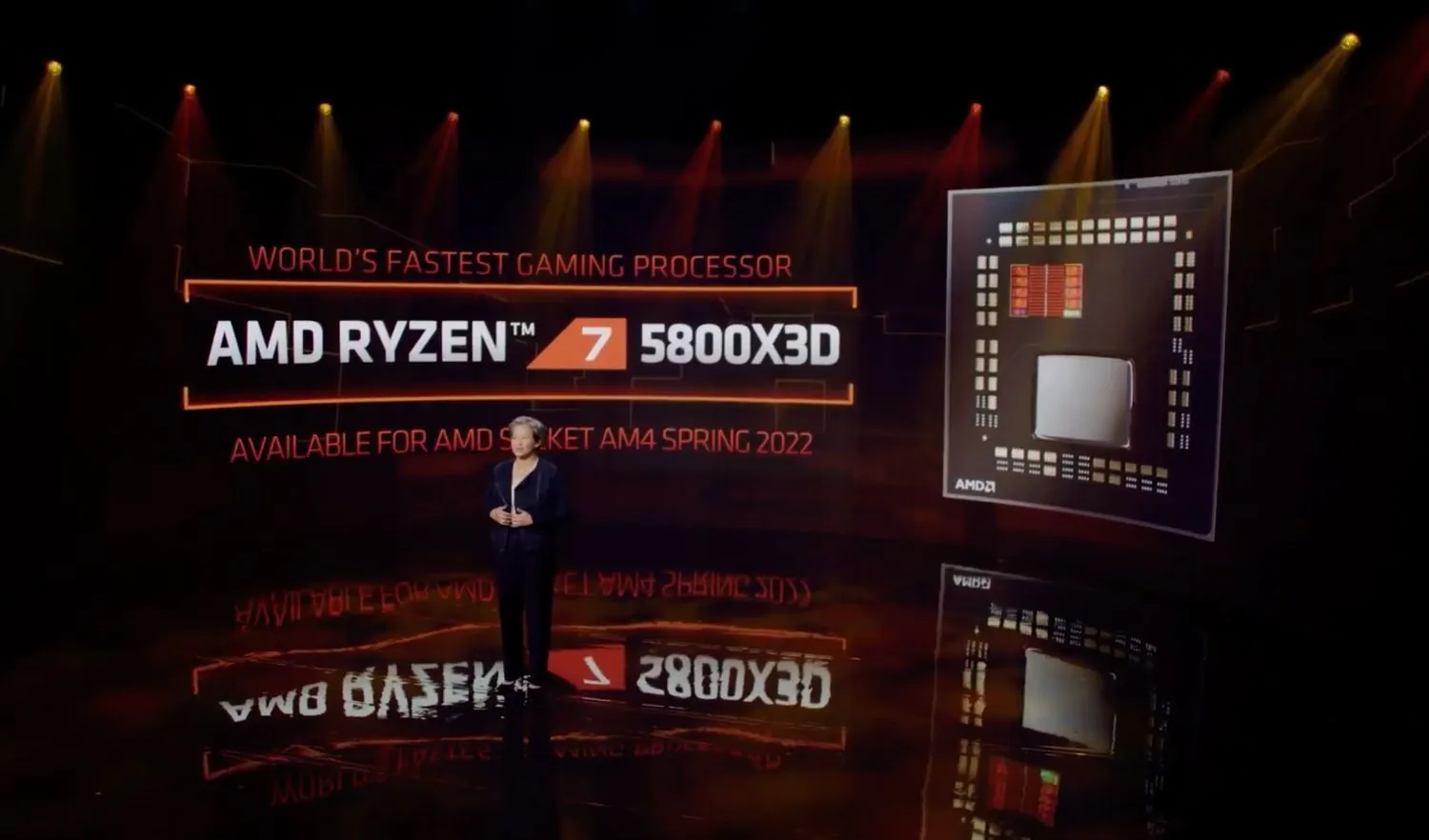
To keep the hardware market moving, AMD just pulled off an incredible rescue mission at Computex. The company is officially resurrecting the Ryzen 7 5800X3D—an absolute legend of a processor from 2022 that was discontinued late last year—and releasing a special 10th Anniversary Edition for the aging AM4 motherboard platform.
Hitting shelves on June 25 for $349, this re-release drops a full $100 off the chip’s original launch price. It keeps the exact same powerhouse specs that made it so adored by hardware enthusiasts: 8 cores, 16 threads, a 4.5GHz boost, and a gigantic 96MB of L3 cache packed with 3D V-Cache technology. But AMD did make one brilliant physical tweak to the packaging. Instead of standard thermal paste, the new edition ships with a highly durable Carbice Ice Pad thermal pad, arriving alongside a simultaneous announcement for a newer AM5 Ryzen 7 7700X3D launching in July for $329.
Resurrecting a discontinued architecture instead of forcing buyers onto newer platforms is essentially unheard of in consumer tech. But the economics of 2026 demand it. Builders can slot this processor directly into the cheaper DDR4-compatible AM4 motherboards they already own, bypassing the artificial inflation plaguing modern components.
How the AM4 Lifeline Changes the Industry Upgrade Cycle
The AM4 socket originally debuted in September 2016. Keeping a consumer socket alive and actively receiving top-tier silicon a full decade later shatters the traditional planned obsolescence model of the PC industry. By officially committing to extend support for the newer AM5 platform until at least 2029 as well, AMD is completely rewriting the rules of hardware longevity.
This strategy of looking backward to solve modern pricing crises is spreading across the tech sector. Earlier this year at CES, Nvidia CEO Jensen Huang openly admitted that bringing newer graphics technology to older process nodes is “within the realm of possibility,” signaling that Nvidia is also open to reviving older GPUs to combat soaring component costs. When the newest hardware becomes too expensive to manufacture for the masses, the best upgrade path is suddenly the one you already own.