
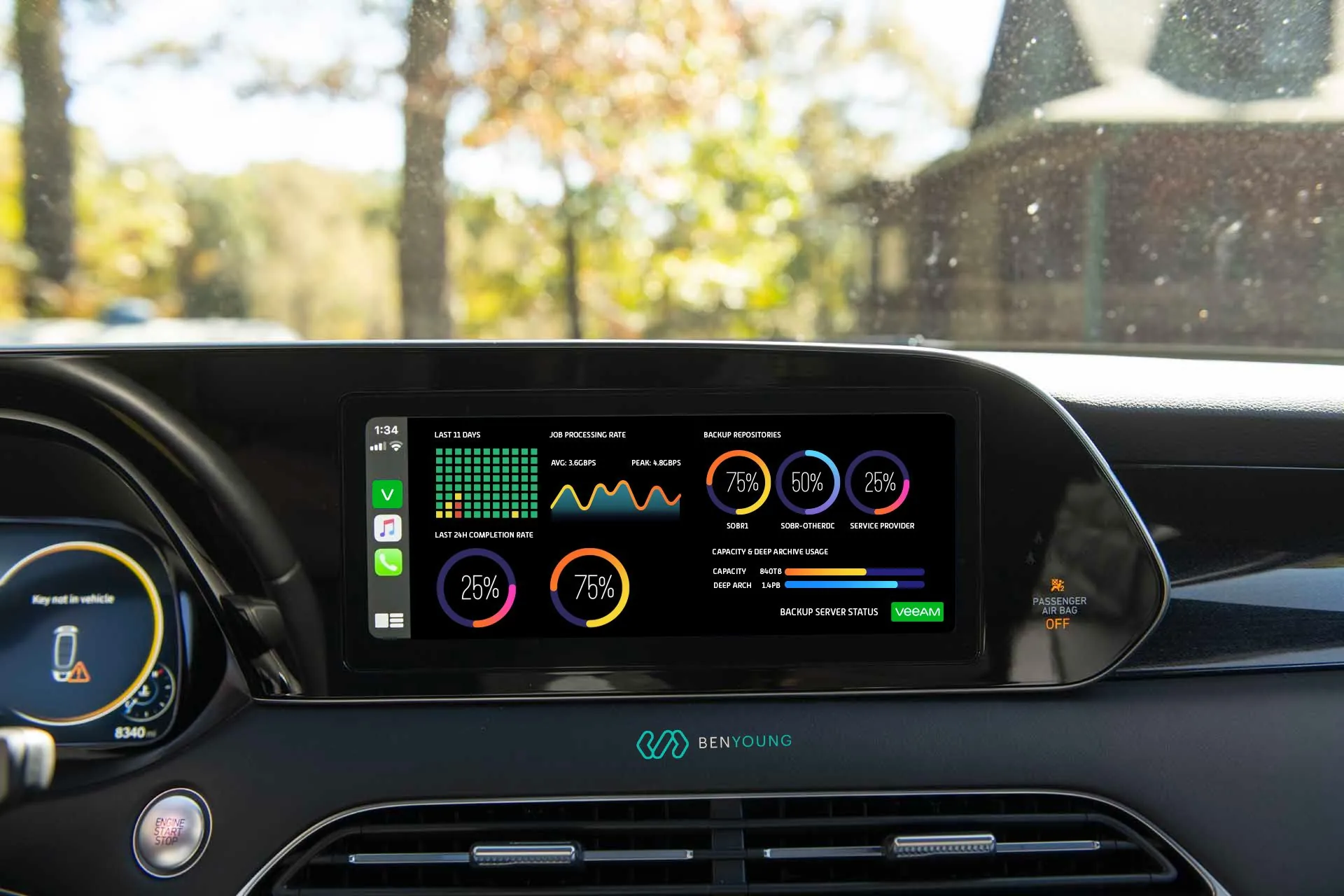
In-car entertainment systems are often pitched as dashboard extensions of our digital lives, but bringing smartphone habits into the driver’s seat creates serious friction. Smartphones are engineered from the ground up to demand constant user attention through notifications, infinite scrolls, and interactive apps. A vehicle’s environment requires the exact opposite. Strict constraints are necessary to ensure physical safety on the road.
By shifting how we interact with these systems, the driving experience becomes significantly less distracting and much more efficient. The key is to stop treating the dashboard like a second screen and start treating it as a dedicated utility hub focused solely on the physical journey.
Breaking the Parked-Car Scrolling Habit
The urge to treat an infotainment screen like a tablet often creeps in when the car is stationary. Drivers easily fall into the trap of catching up on messages or scrolling through Reddit while parked or idling at a long stop. Cutting out these interactive activities breaks the mental link between the dashboard and a smartphone, according to an essay from XDA Developers detailing one user’s shift in habits.
Instead of operating as an entertainment center, the system works best when navigation becomes the absolute centerpiece. Relying on live traffic and map updates handles the visual heavy lifting, while background audio playback takes over to drown out road noise and help the driver maintain focus.
Why Apple CarPlay and Android Auto Share the Same End Goal
The philosophy of constraint isn’t limited to a single operating system. Both Apple CarPlay and Android Auto ultimately share the exact same fundamental purpose. The underlying goal of these platforms is to help drivers get to their destination safely by limiting interaction to listening, viewing maps, and making only truly necessary calls or texts.
When users try to bypass these intentional limitations to force a more smartphone-like experience, the interface feels clunky. Leaning into the restricted design actually improves the utility of the hardware. Embracing a minimalist approach to dashboard software ultimately keeps focus exactly where it belongs: on the road ahead.