
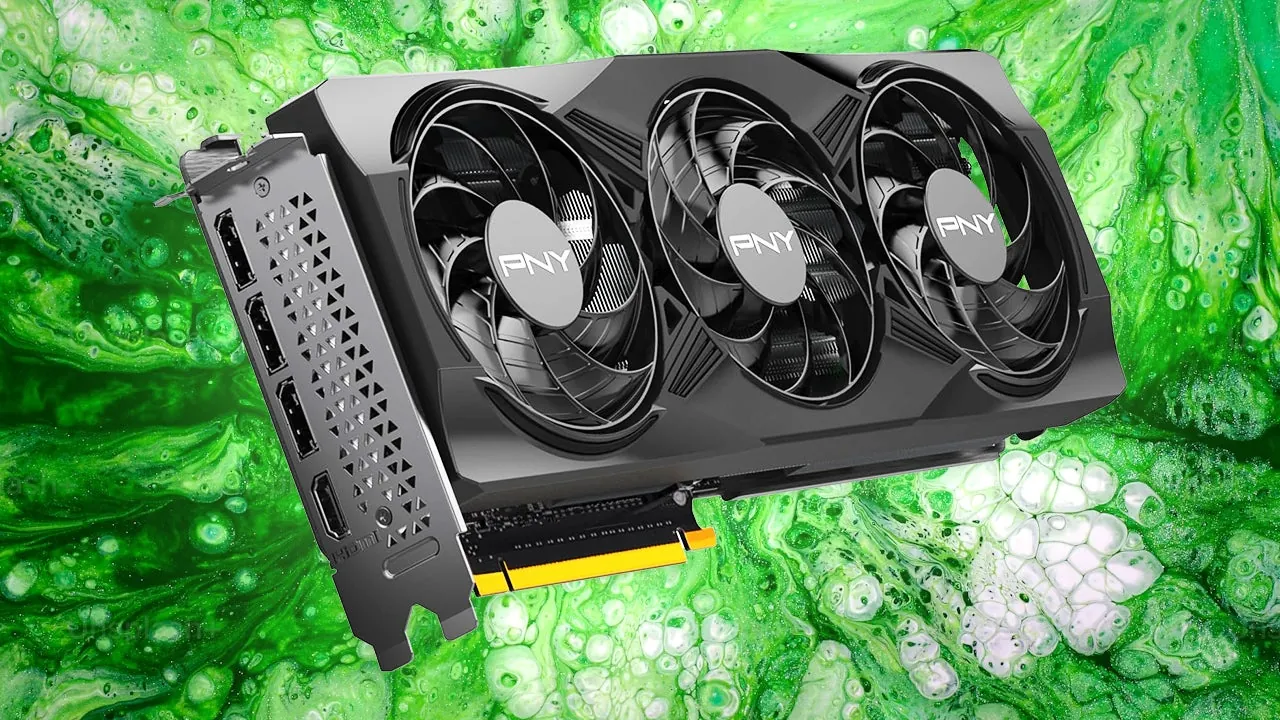
The global RAM shortage, driven by AI data centers consuming the world’s supply of High-Bandwidth Memory, is finally hitting the mainstream PC market. Mid-range graphics cards, which managed to avoid the pricing chaos seen in the high-end tiers over the last few months, are officially getting more expensive.
Prices for popular cards like the Nvidia RTX 5070 and AMD RX 9070 XT are climbing at retail. Memory costs have shot past historical norms. Standard 16Gb memory modules jumped from around $5.50 in mid-2025 to over $20 today. VRAM now eats up nearly 80% of a graphics card’s manufacturing bill of materials, a sharp increase from the usual 30% to 40% average.
The supply chain crunch is severe enough to break a long-standing industry rhythm. For the first time in recent memory, neither Nvidia nor AMD are expected to launch an entirely new generation of gaming graphics cards this year. Manufacturers are simply trying to manage their existing lineups while dealing with soaring component costs.
AMD recently notified its supply chain partners of a baseline 10% price hike across its consumer graphics card roster. Board partners are already making adjustments. The Asus Prime RX 9070 XT OC recently experienced a 17.5% retail markup to hit $939.99 in the US. The pressure extends beyond desktop builders. Laptop brands like Framework, Asus, and Dell are raising system prices by hundreds of dollars to offset the SSD and DDR5 RAM squeeze.
To keep up with the highly profitable enterprise market, Nvidia reportedly cut production of its consumer RTX 5070 and 5060 Ti cards by 30% to 40%. Those factory lines are being repurposed to build enterprise hardware like the H200 AI GPUs. Retailers felt the pinch immediately, reporting that RTX 5060 Ti prices climbed 26% earlier this year to reach roughly $620.
How Silicon Fabs Are Abandoning Gamers for Enterprise AI
This isn’t just a temporary dip in the supply chain. We are watching a fundamental restructuring of how semiconductor fabrication plants allocate their time. Fabs are actively shifting their raw wafer capacity away from consumer hardware to fulfill the demand for AI-optimized HBM.
Samsung and SK Hynix are locking in long-term enterprise contracts, which makes the consumer VRAM shortage a structural reality rather than a cyclical phase. PC builders looking to upgrade memory, storage, or graphics hardware are facing a market where standard desktop components are simply no longer the priority.