
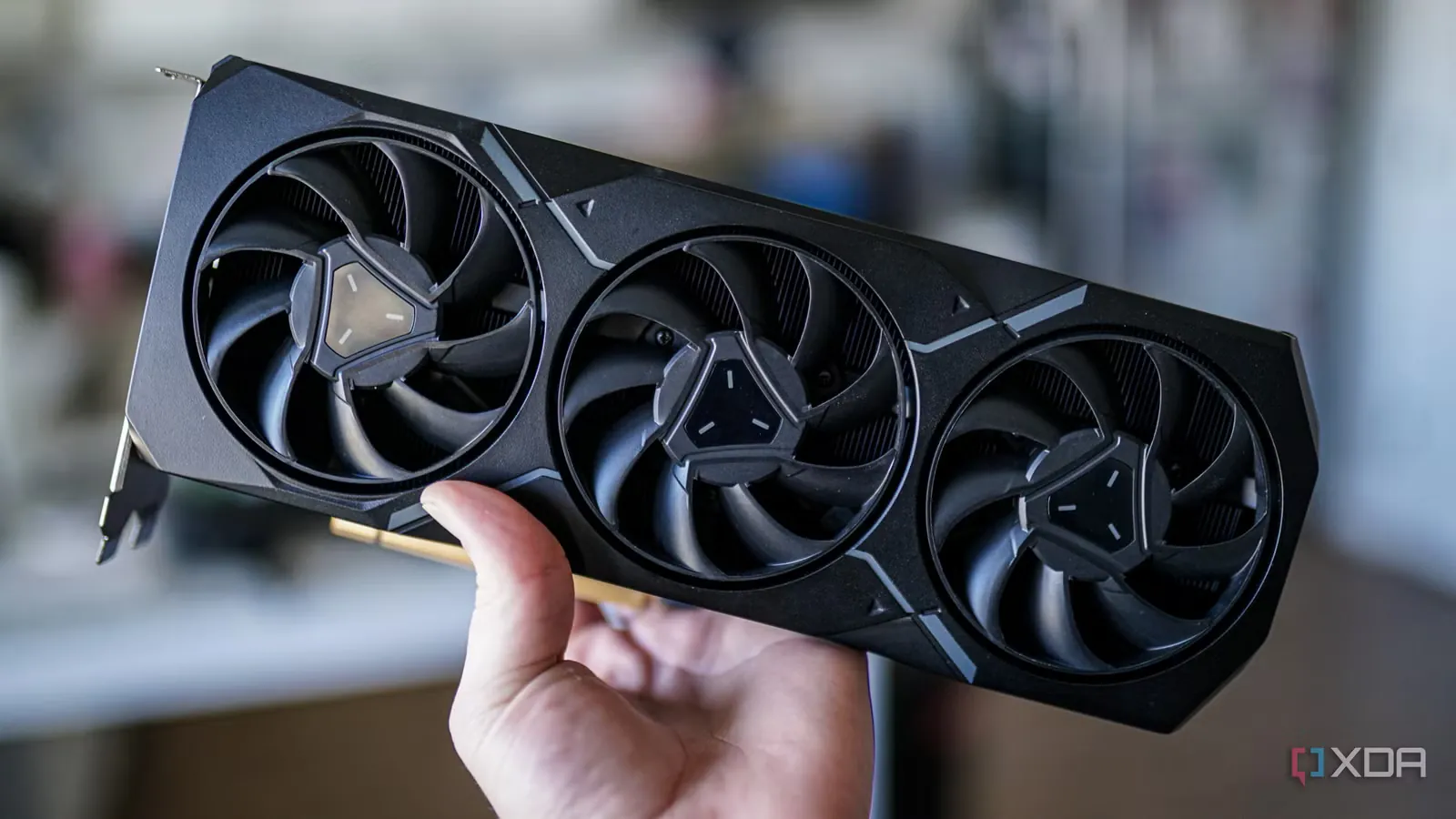
AMD is unlocking its FidelityFX Super Resolution (FSR) 4.1 technology for last-generation Radeon RX 7000 graphics cards this July. The decision drops right in the middle of an intense AI hardware arms race, where GPU manufacturers face heavy pressure to maintain consumer goodwill while battling Nvidia’s absolute dominance in upscaling software.
The July rollout specifically targets RDNA 3 hardware. Following that initial release, AMD plans to push FSR 4.1 upscaling to the older RDNA 2 architecture, covering the Radeon RX 6000 series, by early 2027. This completely reverses the company’s previous stance, which gatekept the new software specifically for the upcoming RX 9000 series.
Making the software run on older hardware required a specific architectural workaround. The upcoming RX 9000 series uses an FP8 data format to run the FSR 4.1 machine learning algorithm natively. To bring the feature backward, AMD engineers spent extra development time optimizing the algorithm to function within the INT8 data format processing limits of RDNA 3, according to a report by TechPowerUp.
There is still one lingering question regarding the sprawling handheld gaming market. Early in June, industry reports suggested AMD would skip FSR 4.1 support entirely for RDNA 3.5 integrated GPUs—the chips powering devices like the ROG Ally and Ryzen AI laptops—because of their lower AI performance overhead. On June 4, AMD executive Frank Azor pushed back on those claims, stating that no final decision to exclude RDNA 3.5 hardware had been made, as confirmed by Tom’s Hardware.
How the FSR 4.1 Rollout Cannibalizes the RX 9070 XT
By engineering this backward compatibility, AMD directly threatens the sales pitch for its own upcoming hardware. The RX 9070 XT previously relied on FSR 4 exclusivity as a primary selling point to convince PC builders to upgrade. Stripping away that software exclusivity suddenly makes high-end older cards like the RX 7900 XT and RX 7800 XT much smarter purchases on the secondary market.
The trade-off is entirely about brand loyalty and market positioning. This software update resurrects AMD’s reputation for long-term hardware support. It also creates a sharp historical contrast with its primary competitor. Nvidia faced intense community backlash when it strictly locked DLSS 3 frame generation to its newer RTX 40-series cards, leaving older owners behind. AMD is clearly willing to sacrifice some immediate RX 9000 sales to avoid making that exact same mistake.