
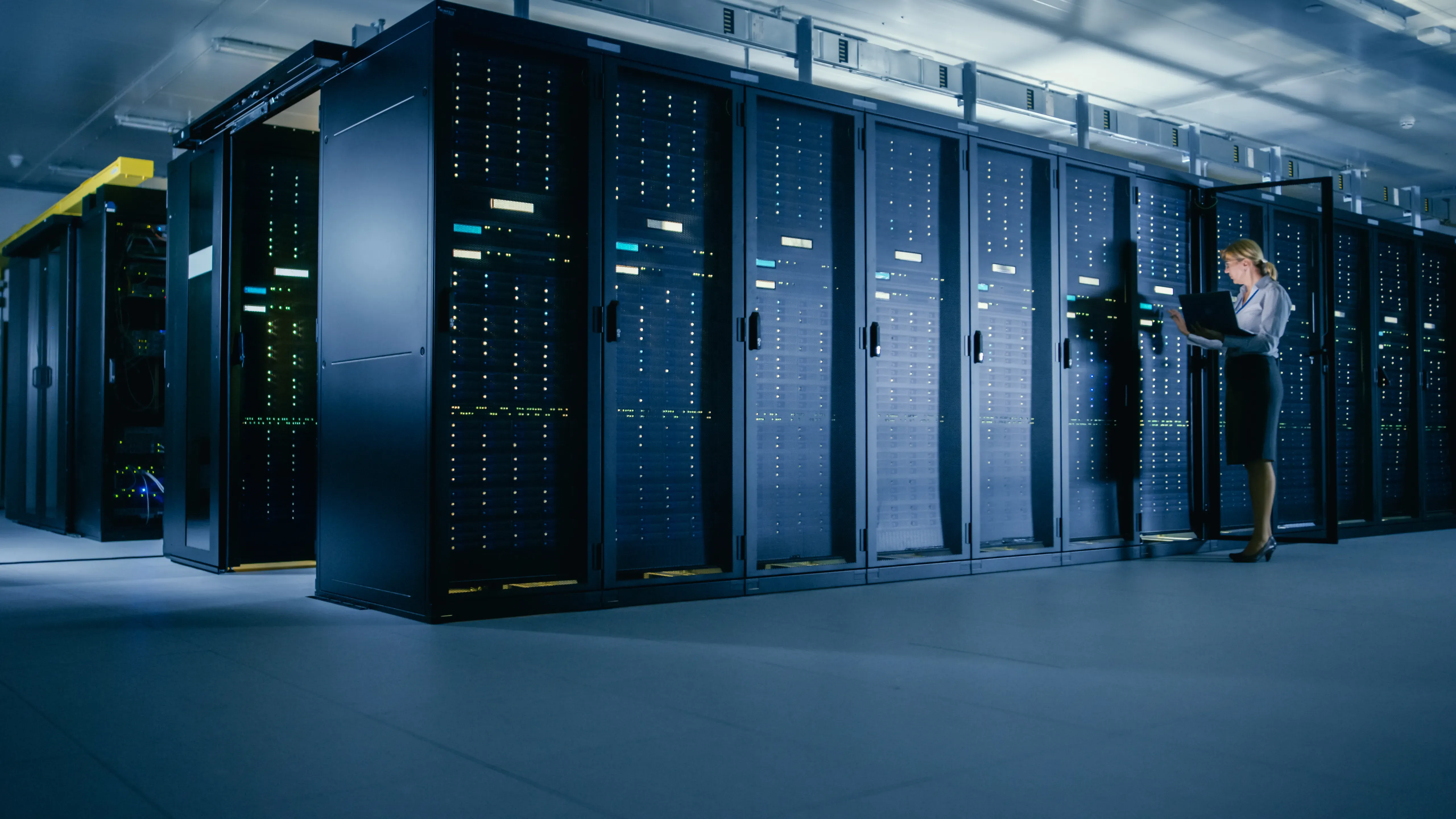
The top five hyperscalers are pouring over $600 billion into data center infrastructure in 2026. This unprecedented buildout by Amazon, Microsoft, Google, Meta, and Oracle is creating a severe physical bottleneck for the legacy electrical grid. In high-density regions like Northern Virginia, commercial developers are now staring at 14-year wait times just to connect new facilities to the local power supply.
AI workloads demand intense bursts of electricity. These abrupt power spikes create harmonic distortions and voltage sags that threaten the stability of aging electrical networks. To handle the load, local utility providers like Dominion Energy are proposing base-rate increases, according to a broad analysis of the U.S. electric grid crisis, effectively passing some of these infrastructure costs onto residential consumers.
Energy Amalgamation and the Battery Solution
Building more traditional power plants is not going to solve a 14-year backlog. A newly published Forbes report by Anna Broughel outlines a completely different approach called energy amalgamation. Instead of treating data centers as giant passive appliances that simply drain electricity, engineers want to turn them into active grid assets.
Facilities driven by this $600 billion capital expenditure wave, as tracked in recent component supply breakdowns, sit on enormous banks of backup batteries. Infrastructure companies like Eaton, Delta Electronics, and DNV are developing hardware that allows these data centers to deploy their own battery reserves to stabilize the grid during peak demand. Engineers are also implementing systems to recover the intense waste heat generated by the servers.
Turning the Threat into a Grid Stabilizer
The historical assumption is that computing facilities are fragile loads that need constant protection from the grid. The new engineering reality flips that relationship entirely. By integrating their generation, storage, and demand systems directly with local utilities, data centers can provide fast-response stabilization for renewable energy networks.
When solar or wind generation drops suddenly, a data center equipped with modern amalgamation hardware can instantly switch its operational load to its internal battery banks. This prevents voltage sags from affecting surrounding neighborhoods and gives the primary grid time to adjust. The 2026 AI infrastructure boom is forcing the power industry to rethink what a computing facility actually is.