
PC hardware pricing remains stubbornly high in the post-pandemic market, forcing builders to scrutinize every dollar they spend on a new rig. Flagship graphics cards and processors eat up the majority of a build budget. Experts across the tech industry are now actively advising consumers to stop overpaying for premium motherboard features that offer zero tangible benefits.
A new editorial guide from XDA Developers argues that high-end motherboards are entirely unnecessary for the average user. The piece identifies four specific fancy specs that builders should immediately drop: PCIe Gen5 support, excessive USB ports, high-end integrated audio, and built-in Wi-Fi.
Unlike a CPU or a graphics card, a motherboard does not naturally increase frame rates or speed up render times unless it actively bottlenecks another component. Many builders fall into the mentality of buying expensive hardware to protect their investment, but budget motherboards serve the exact same purpose and make paying for future-proofing a trap.
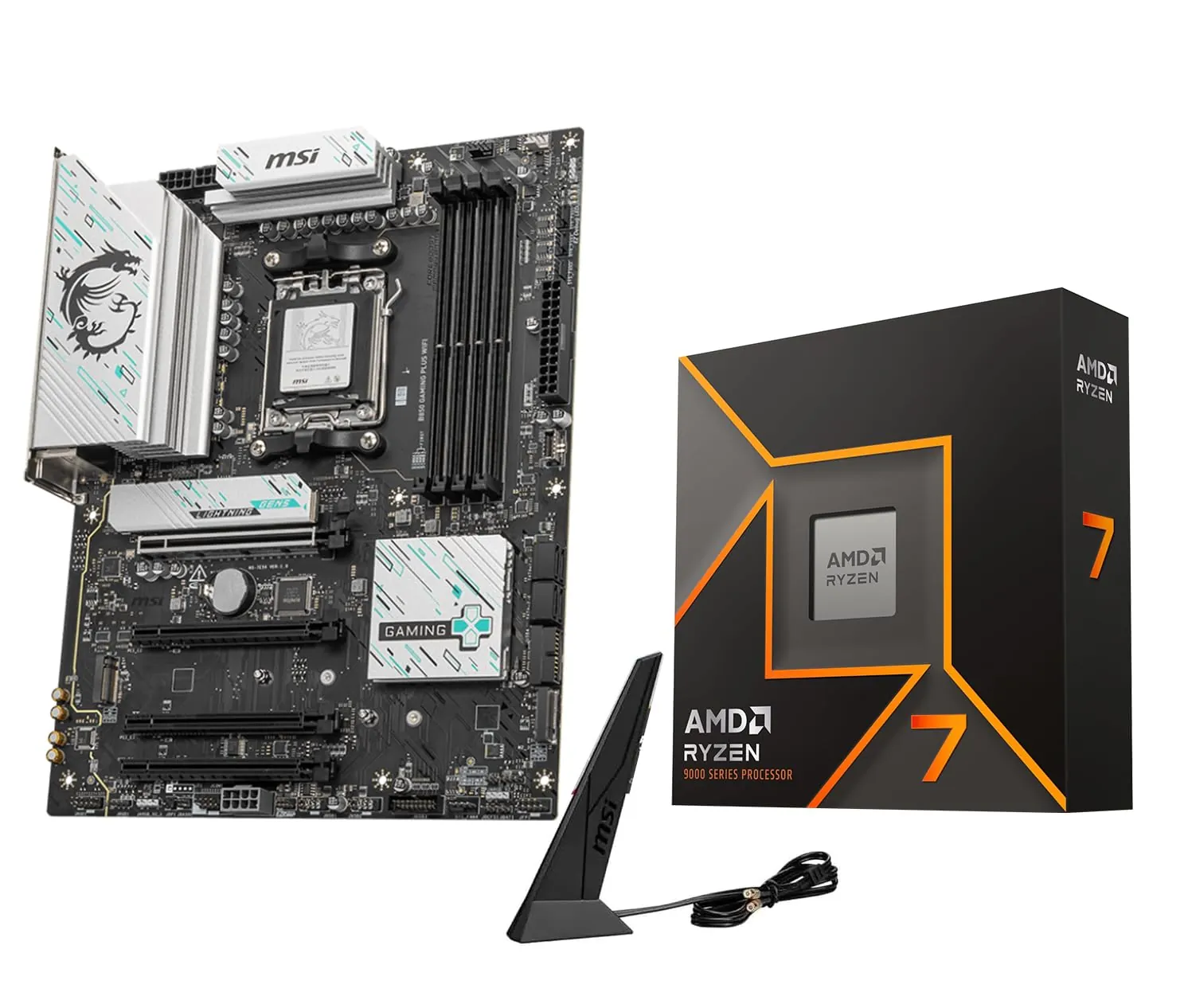
Dropping from a $300 X-series board down to a $150 B-series board frees up significant cash. That $150 difference yields far better real-world performance when you put it toward a faster processor or a superior GPU. The XDA Developers team specifically highlights pairing an MSI motherboard with an AMD Ryzen 7600X3D processor as a reference for a smart, balanced build.
Hardware analysts agree that decked-out high-end models are an overhyped PC upgrade and simply not worth the premium for average consumers. Built-in Wi-Fi and premium audio chips add cost to the board, but budget alternatives now provide excellent baseline performance.
How Diminishing Returns Threaten the ASUS and Gigabyte Profit Margins
Major motherboard manufacturers like ASUS, MSI, Gigabyte, and ASRock rely heavily on the profit margins generated by their $300 to $500 premium boards. Consumer pushback against these prices is changing how builders approach the market.
Historically, during the eras of USB 1.0 and 2.0 or early onboard audio, buying a premium motherboard provided tangible leaps in sound quality and peripheral connectivity. Today, the baseline manufacturing quality of a standard mid-tier board is exceptionally high.
Industry experts confirm that mid-tier motherboards are completely sufficient for almost all users, making high-end features an unnecessary expense. The extreme diminishing returns of modern premium features mean a budget board is the safest bet for a new build.