
We are currently dealing with a severe IoT firmware security crisis, compounded by a heavily congested 2.4GHz Wi-Fi spectrum. Most consumer routers are choking under the weight of dozens of smart plugs, doorbells, and sensors constantly fighting for bandwidth. A simple networking strategy proves that kicking these low-cost gadgets onto a restricted guest Wi-Fi lane solves persistent connection drops on your primary network.
The process takes about 10 minutes. By creating a dedicated virtual local area network or a strict guest network solely for “chatty” IoT hardware, you physically isolate devices that rarely receive security updates from your main PC and smartphone. The result is an unexpected boost in stability for your primary internet traffic.
Cheap smart home devices are notorious for shipping with easily exploitable default credentials. They also generate an absurd amount of background network noise. These gadgets constantly send keep-alive pings and cloud-polling requests to external servers. This relentless activity overloads a standard consumer router’s ARP tables and processor, causing the latency spikes you feel when streaming video or trying to load a webpage.
Relying on network segmentation shuts this vulnerability down entirely. If a hacker compromises a cheap smart lightbulb, a strict guest network prevents them from using that bulb as a lateral bridge to access your desktop computer or network-attached storage drive. Industry experts are leaning hard into this method to secure homes, according to a BGR report detailing how to utilize router guest networks for IoT botnet defense.
How ASUS and the EU Are Forcing Network Isolation
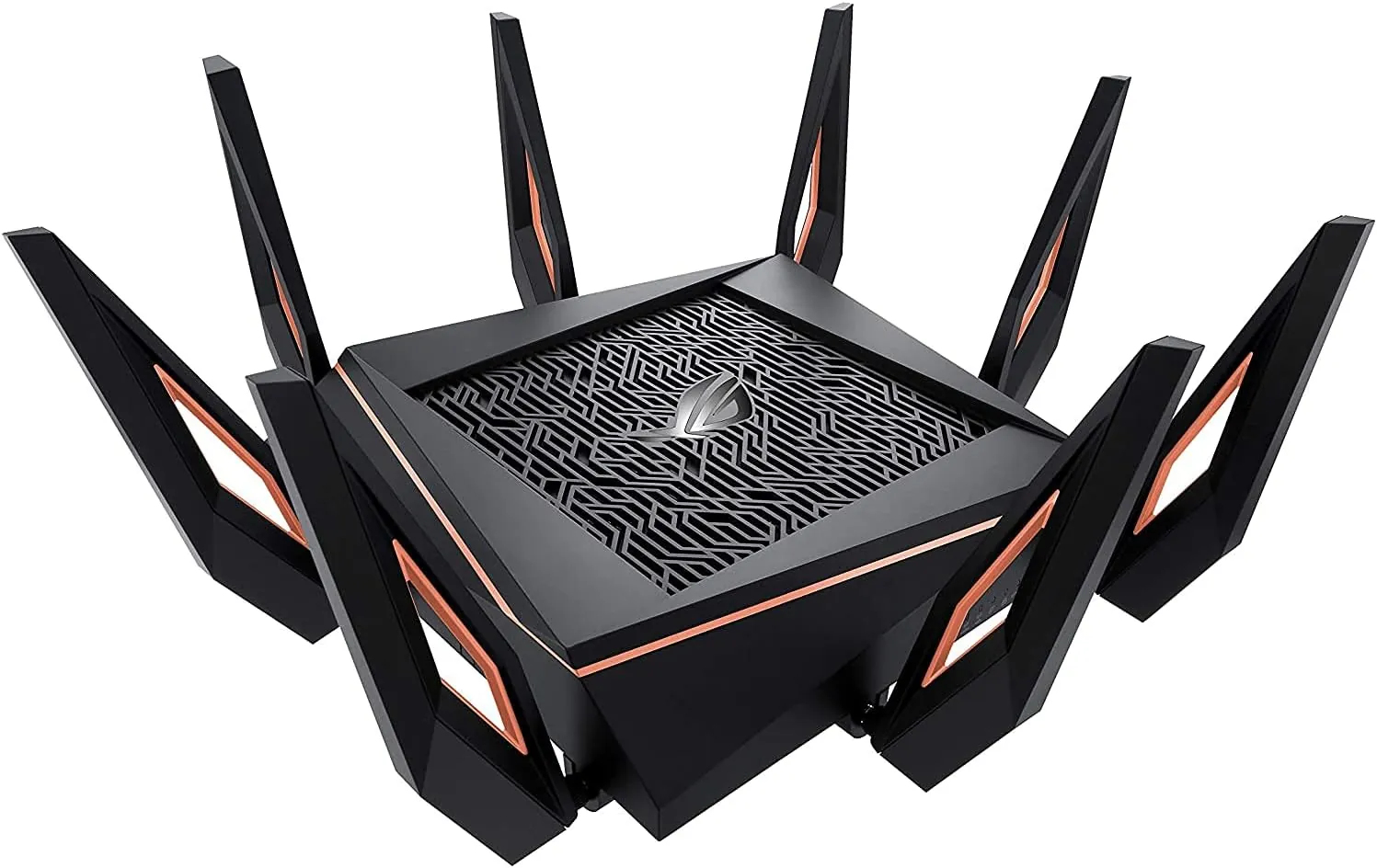
Hardware manufacturers are finally adapting their default firmware to handle this exact network congestion problem. ASUS just rolled out a feature called “Guest Network Pro” to its ROG Rapture and WiFi 7 routers. This update allows users to spin up multiple isolated lanes and a dedicated IoT network directly from the basic settings menu, removing the need for advanced networking knowledge.
Regulatory bodies are also stepping in to fix the underlying hardware flaws driving this issue. The European Union’s Cyber Resilience Act begins strict enforcement in September 2026. This law legally mandates that smart device manufacturers patch actively exploited vulnerabilities within 24 hours of discovery.
Until those hardware-level firmware patches become the industry standard worldwide, isolating your cheap gear on a guest network remains the most effective defense mechanism for your home. It protects your personal data while immediately freeing up processing power on your router.