
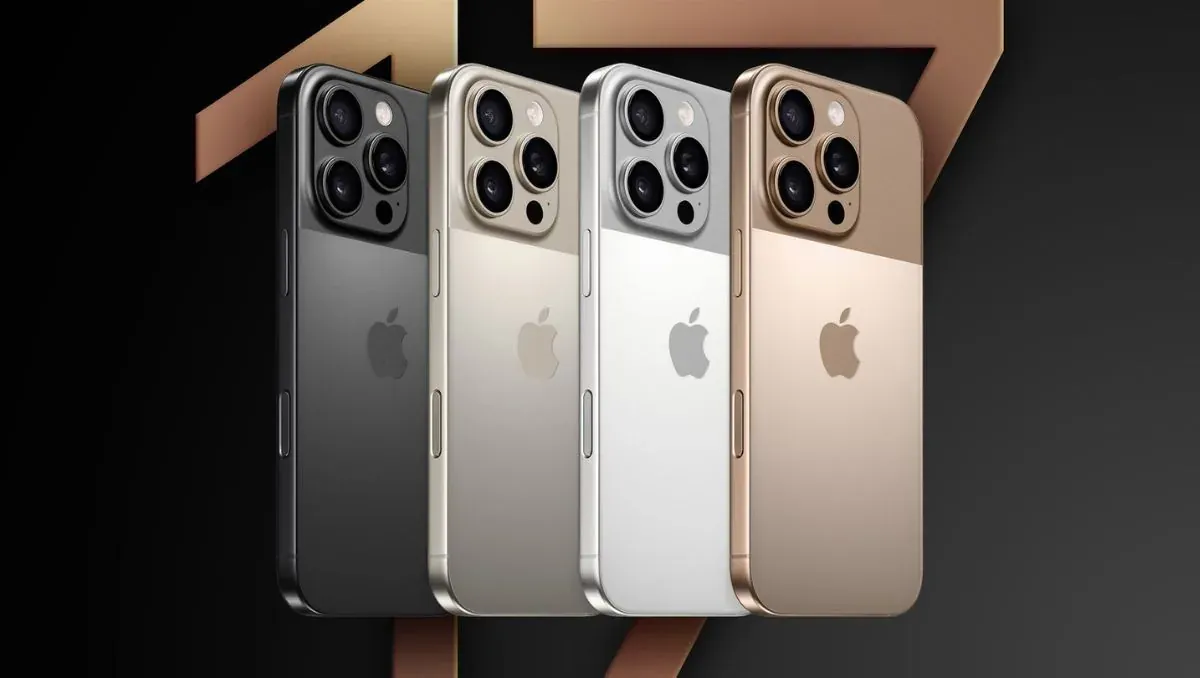
The tech industry is facing a severe memory shortage after OpenAI secured 40% of the global DRAM wafer supply from Samsung and SK Hynix last month. That unprecedented deal triggered a 100% price spike in Samsung DRAM, sending consumer electronics manufacturers scrambling to offset soaring production costs. Against this pressure, Apple is finalizing its highly anticipated iPhone 18 Pro Max for a September 2026 launch. Industry trackers confirmed the strategic preservation of the $1,199 starting price, alongside a shift to a Samsung main camera sensor and a rumored Dark Cherry colorway.
The upcoming flagship introduces Apple’s new A20 Pro processor, an engineering marvel built on TSMC’s cutting-edge 2-nanometer architecture. The smaller transistor size delivers 15% faster computational speeds and a 30% reduction in power consumption compared to previous generations. According to a detailed supply chain report, the transition to the TSMC 2-nanometer A20 Pro chip brings a severe manufacturing cost increase and a 5,100 mAh battery upgrade. To combat the intense heat generated by the advanced processor, Apple is adding a custom graphene thermal sheet inside the chassis.
Advanced Optics and Under-Display Sensors
Photography enthusiasts are watching the camera array closely. The primary rear shooter retains its 48-megapixel resolution but introduces a mechanical variable aperture system to the iPhone ecosystem. This DSLR-style hardware gives users precise control over depth of field and low-light exposure. To accomplish this, the company is dropping its long-time sensor provider Sony, opting to integrate a three-layer stacked Samsung camera sensor for the main lens.
Aesthetically, Apple is testing a deep, wine-red “Dark Cherry” color to replace last year’s Cosmic Orange, bringing a fresh finish to the titanium lineup. The front of the device retains the 6.9-inch display, but users will notice a much smaller camera cutout. Engineers successfully moved key Face ID components beneath the OLED screen, shrinking the display intrusion by up to 35%.
Severing Ties with Qualcomm
The iPhone 18 Pro Max is a permanent shift in how Apple handles cellular connectivity. After years of reliance on third-party modems, the company is abandoning Qualcomm hardware to debut its proprietary C2 chip. The in-house modem includes 5G NR-NTN support, enabling automatic satellite internet fallback when traditional cellular towers are out of range.
How Apple Absorbs the 2nm Silicon Cost
TSMC’s new 2-nanometer wafers cost an unprecedented $30,000 each, marking a 70% price jump from the previous 3nm generation. This spike occurs directly from the complex Gate-all-around (GAA) transistor architecture required to manufacture them. To keep the consumer price locked at $1,199, Apple is using a Wafer-Level Multi-Chip Module (WMCM) design. This technique bakes 12GB of RAM directly alongside the CPU, streamlining the internal architecture just enough to offset the extreme silicon and DRAM market costs.