
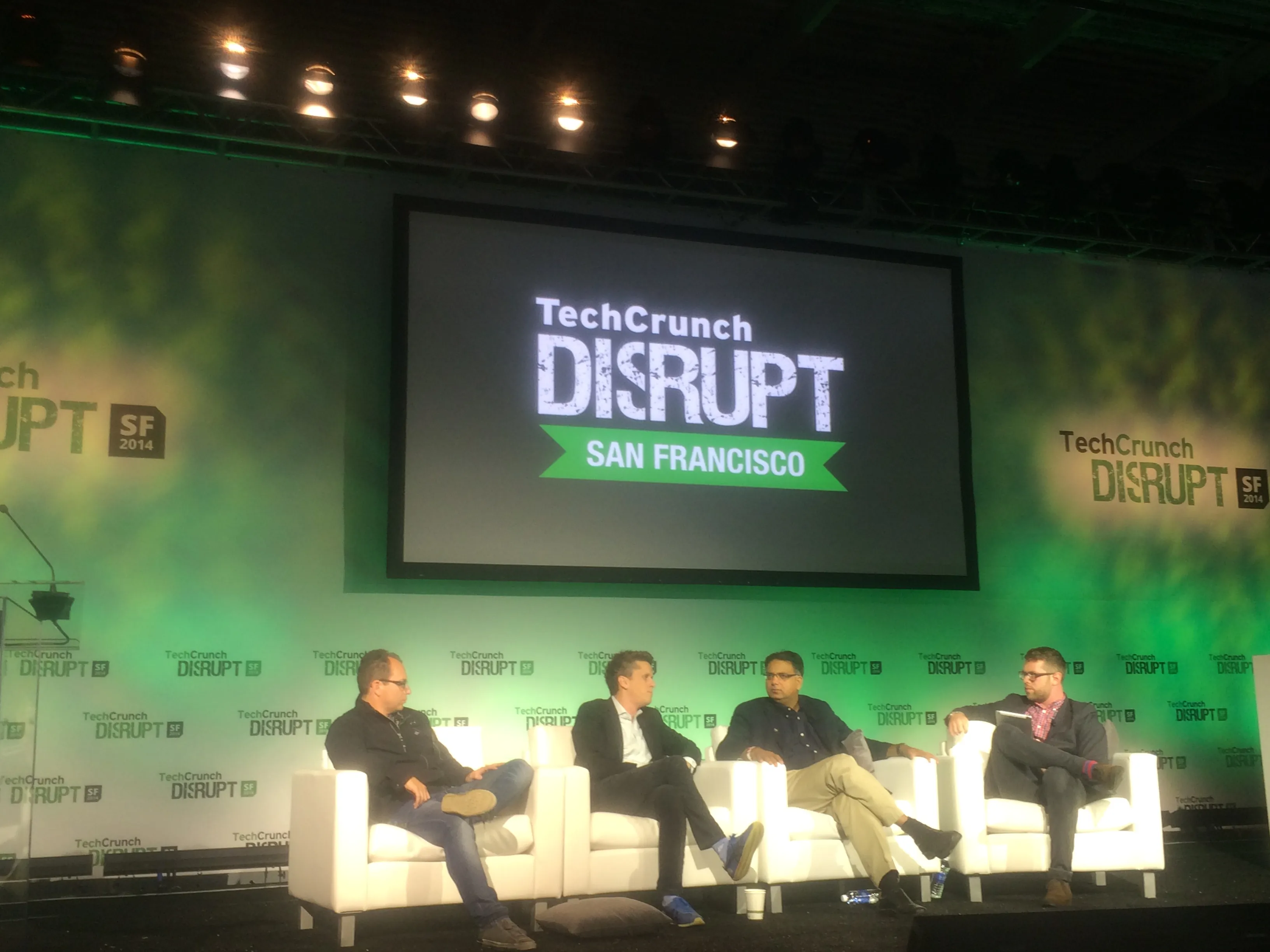
Early-stage tech founders are facing one of the tightest venture capital climates in a decade, where securing cash without surrendering large chunks of company ownership is nearly impossible. Programs offering capital, high-level investor visibility, and mentorship without demanding equity are now fiercely competitive lifelines.
The application window for the TechCrunch Startup Battlefield 200 officially shuts down on May 27, 2026. The selected cohort will head to San Francisco from October 13 to 15 for TechCrunch Disrupt 2026, pitching their technology to a crowd of over 10,000 attendees and top-tier venture firms. The ultimate winner walks away with $100,000 in equity-free funding and the coveted Disrupt Cup.
The 200 companies chosen get a fully funded exhibition booth for three days, VIP passes, press list access, and dedicated pitch training. From that group, 20 finalists are handpicked to present a live six-minute pitch on the main stage. The stakes are incredibly high, according to keepingupwith.ai, which highlights how the $100K non-dilutive prize can accelerate a company just like past alumni Dropbox and Cloudflare.
The Ban on AI-Generated Demos
TechCrunch is enforcing strict hardware and software realities this year. Applicants must be pre-Series A and possess a fully working minimum viable product (MVP) at the time of submission. If you try to fake the engineering, you are out.
The organizers explicitly banned animated or AI-generated demo videos from the application process, ensuring only functional tech makes it to the show floor. This rigorous nomination structure applies globally to early-stage innovators, a detail verified by a fundsforngos.org breakdown of the strict MVP requirements. The focus is entirely on shipping real code and building physical hardware.
Why the $100K Non-Dilutive Prize Defines Early-Stage Survival in 2026
The real prize here is not just the cash, but the platform. Historically, the Startup Battlefield is a primary kingmaker in Silicon Valley. It was the exact launchpad for companies that completely rewired how we use the internet, including Discord, Trello, and Dropbox.
To date, the 1,700 alumni from this specific stage have collectively raised over $32 billion in venture capital. VCs use this environment as a high-signal filter to find raw, functional engineering before valuations explode. By enforcing the absolute ban on AI-generated concept videos, the 2026 cohort will force investors to evaluate actual software architecture rather than slick marketing promises.