
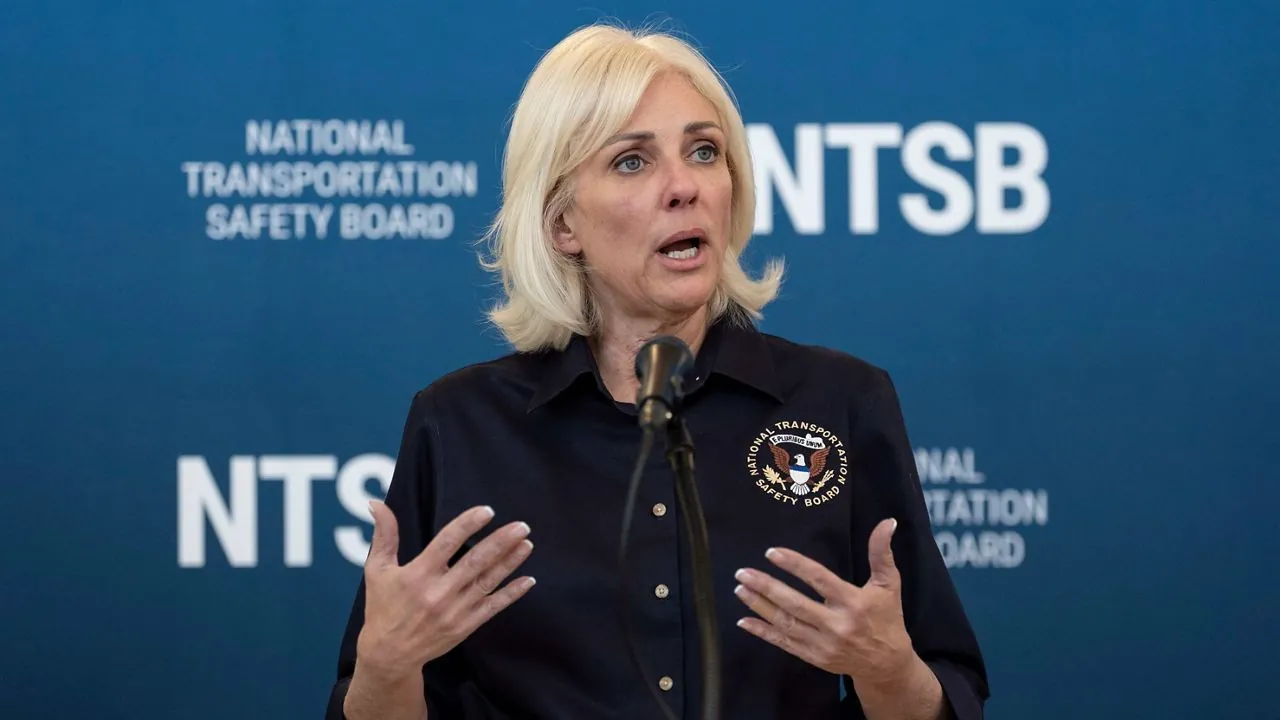
The National Transportation Safety Board just pulled 42 active aviation crash dockets completely offline. Internet users figured out how to use basic, off-the-shelf artificial intelligence tools to recreate restricted cockpit voice recordings from static images published in official reports.
Federal law strictly prohibits the public release of actual Cockpit Voice Recorder audio to protect the privacy of deceased flight crews. But this new AI workaround bypassed those decades-old confidentiality rules entirely, forcing the NTSB to temporarily shut down its entire public docket system after users extracted the voices.
The UPS Flight 2976 breach
The situation started with the investigative docket for UPS Airlines Flight 2976. On November 4, 2025, the Boeing MD-11F cargo plane suffered a catastrophic left engine separation during takeoff from Louisville. The crash killed all three crew members and 12 people on the ground.
Investigators routinely publish spectrograms—visual graphs representing sound frequencies over time—in their public reports to explain ambient cockpit noise. Users fed these static images into image-recognition AI models, which then successfully reverse-engineered the visual data back into intelligible audio of the pilots’ final moments.
Global regulatory response
While the NTSB eventually restored general access to its database, the agency permanently restricted 42 specific investigation files, including the UPS Flight 2976 docket. They are keeping these files hidden until they can complete a comprehensive review of their data governance and publishing practices.
The international community is already stepping in. The Organisation for Economic Co-operation and Development intervened this week, officially classifying the privacy breach as an “AI Incident” due to the disruption of the federal investigation. Federal agencies will now have to completely rethink how they handle visual sound analyses in future reports.