
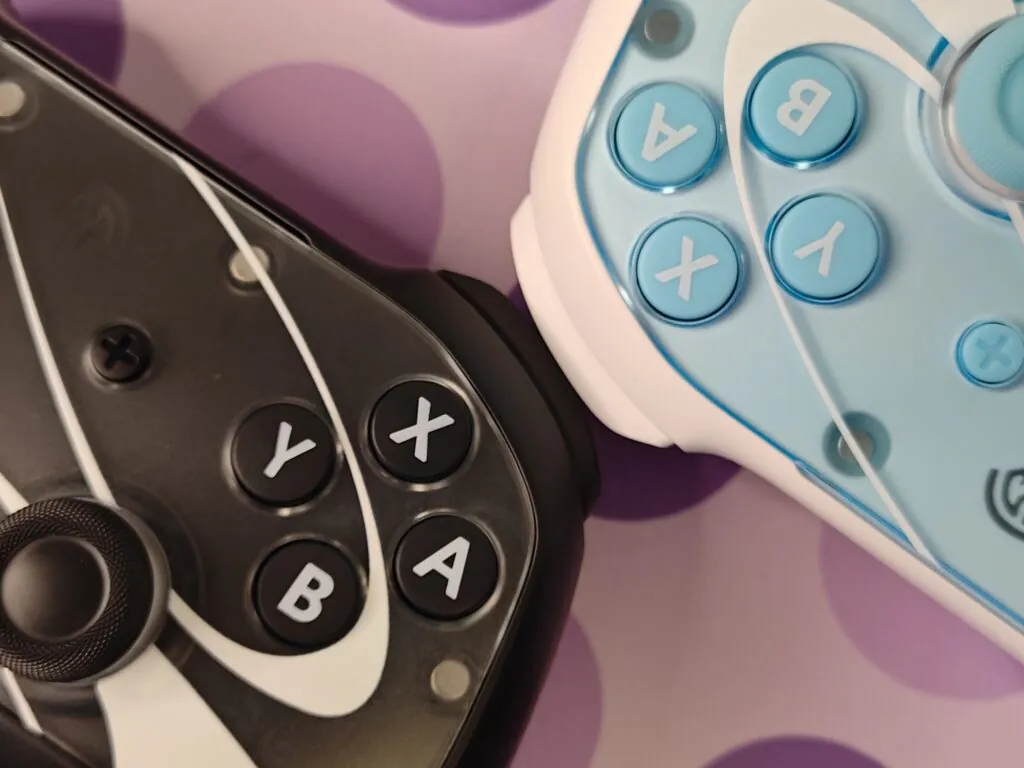
The race to build the ultimate gamepad for Nintendo’s latest console is officially on. As players look for ways to enjoy multiplayer sessions without spending a fortune on first-party accessories, third-party manufacturers are stepping up with features that rival official hardware.
The official Nintendo Switch 2 Pro Controller sets a high bar at $89.99 with its new 9-axis motion sensor, custom back buttons, and an added C button. However, recent testing reveals that you do not need to drop nearly ninety dollars to get a premium gaming experience on the new platform.
The Best Overall Third-Party Contender
Independent testing by hardware reviewers has crowned the EasySMX S10 as the top third-party choice for the console. Typically retailing for around $60 but frequently discounted below $50, this gamepad successfully clones the best parts of the official option. It packs a satisfying rumble feel, motion controls, built-in amiibo NFC support, and the ability to wake up the console remotely.
This level of feature parity is a huge win for households trying to support local multiplayer. Since the console allows up to eight controllers to connect simultaneously, outfitting a full couch with official gamepads gets incredibly expensive. Thankfully, returning players can also reuse their original first-generation Switch Pro controllers on the new system.
Budget Choices and Tech Innovations
For budget-conscious players, the Gulikit ES Pro offers an Xbox-style layout for roughly $30. While its rumble performance falls short of premium standards, it includes advanced TMR joysticks and maintains the vital console wake-up function.
The competitive secondary market has quickly filled with alternatives aiming to dethrone the first-party standard. Brands like GameSir are pushing boundaries with their Tarantula Pro and Super Nova models, while 8BitDo offers options like the Ultimate 2 in the expanding market for Nintendo Switch 2 controllers. This aggressive pricing structure is giving consumers unprecedented choices in how they interact with their favorite games.
How Third-Party Innovation Destabilizes Nintendo’s Accessory Monopoly
Nintendo has historically maintained a tight grip on its accessory ecosystem by locking key features behind proprietary tech. By successfully reverse-engineering complex capabilities like remote wake-up and amiibo NFC support into a sub-fifty-dollar frame, third-party brands are stripping away the exclusive selling points of official hardware. This shift forces a fascinating scenario where premium features like magnetic anti-drift joysticks are becoming the baseline standard, ultimately benefiting the consumer’s wallet and gaming longevity.