
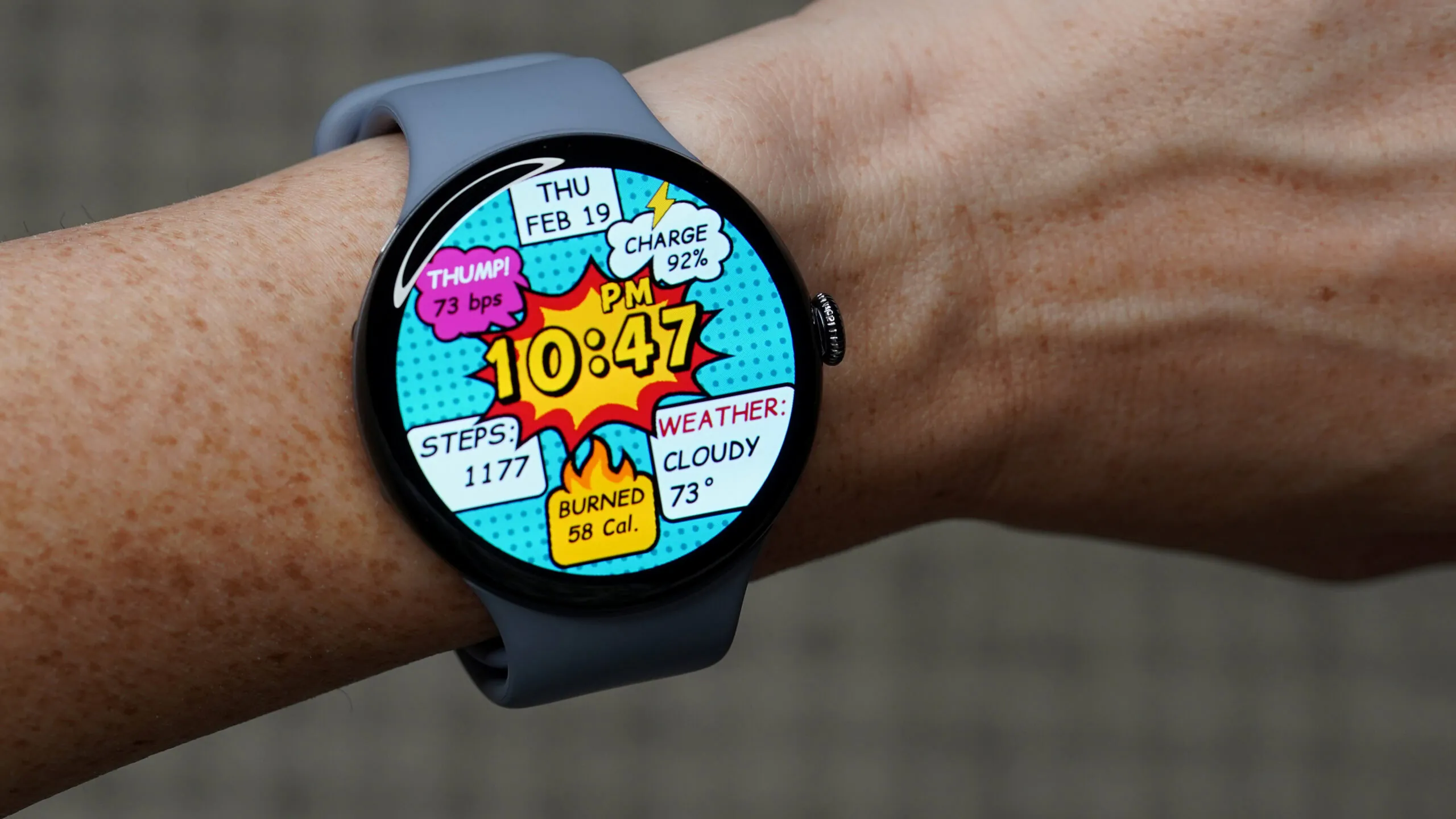
Smartwatches are finally cutting the cord. For years, the wearables market struggled to build watches that act as true standalone devices rather than simple notification mirrors for a tethered smartphone. Google just fixed that problem at its I/O developer conference by unveiling Wear OS 7, an update built around autonomous AI agents and glanceable, real-time data tracking.
The coolest feature is the new Live Updates API. This tool allows apps to display live sports scores, food delivery tracking, and active timers directly on your watch face. You no longer need to pull out your phone to check when your dinner is arriving. Google also introduced customizable 2×1 and 2×2 Wear Widgets to replace the older swipeable tiles, bringing a familiar Android mobile design straight to your wrist. The system uses Gemini Intelligence to process complex multi-step voice commands natively, according to a breakdown from BigGo detailing the AI-driven task tracking.
The update includes an incredibly handy Remote Output Switcher. This tool lets you bounce your audio playback back and forth between earbuds and Bluetooth speakers directly from your smartwatch screen. It completely removes the annoying process of digging into your phone’s Bluetooth settings while you are in the middle of a workout.
Google also confirmed a new built-in Wear Workout Tracker to standardize fitness data. They are partnering directly with ASICS Runkeeper to debut the feature later this year. The system handles heart rate monitoring and media controls internally, so third-party developers do not have to build basic fitness tools from scratch. Samsung Health is getting an upgrade too. You can simply tell your watch, “Start tracking my run,” and the Gemini agent will handle the rest.
Why the Live Updates API is Deprecating Ongoing Activities
Google is officially deprecating the older Ongoing Activities API. Software builders must now switch to the Live Updates API to push real-time data to smartwatch screens. This policy enforces a cleaner, unified coding standard across all Android devices.
Before this update, developers had to write separate code to maintain a live timer on a smartphone lock screen and a smartwatch face. Now, apps can automatically bridge Live Updates from a paired phone straight to the watch. This saves battery life and cuts down the coding burden for fitness and delivery apps. The addition of Status Chips means that vital information, like a rideshare ETA or a cooking timer, will stick to the top of the watch face until the task is complete. Your watch is finally becoming a capable, independent computer.