
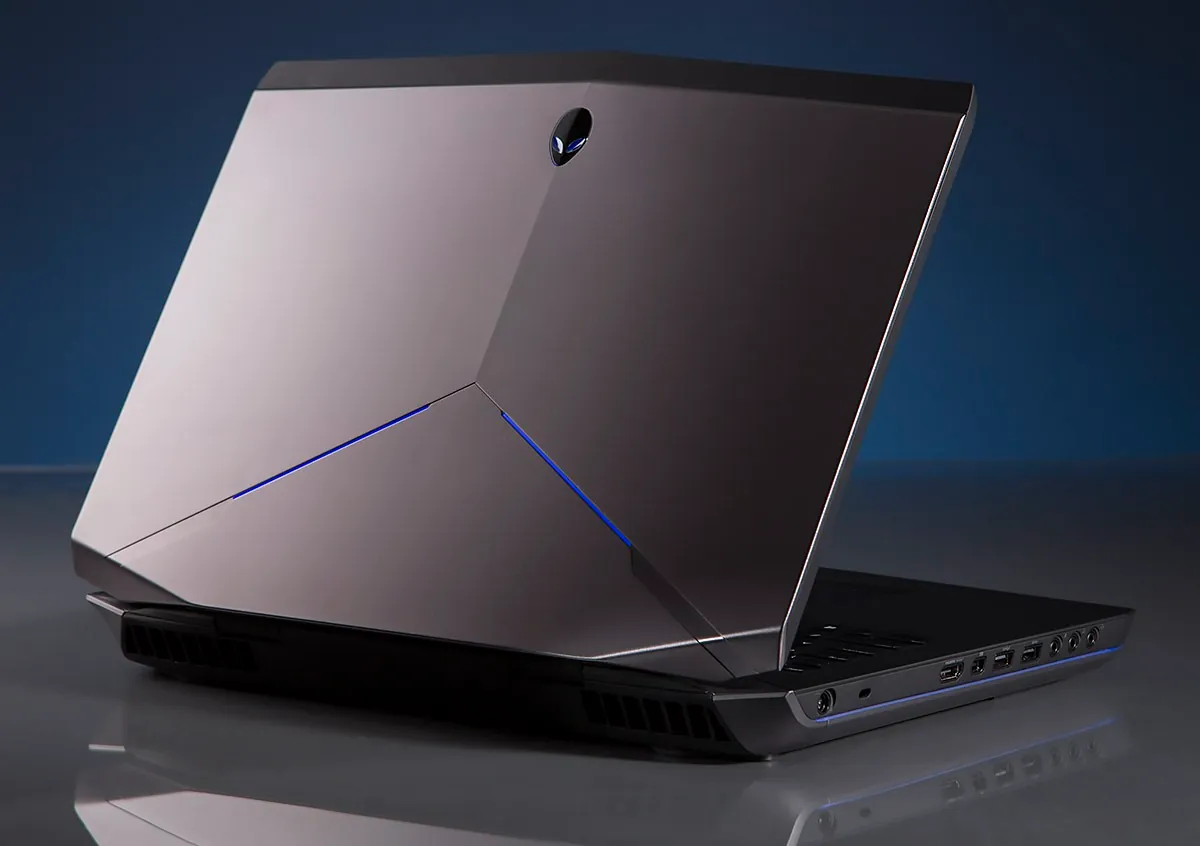
Alienware used to mean one thing: heavy, uncompromising, desktop-crushing laptops. The brand famously refused to make a thinner machine if it meant sacrificing performance or build integrity. But as of Thursday, a critical review of Dell’s latest hardware argues the company is officially cutting corners and watering down the premium line. The reason has nothing to do with design trends and everything to do with a global supply chain crisis: RAMageddon 2026.
The entire consumer PC market is currently suffocating because memory manufacturers like Micron are aggressively diverting production toward High Bandwidth Memory (HBM) to feed the artificial intelligence data center boom. Because AI infrastructure is consuming the global supply chain, consumer DRAM prices jumped by over 90 percent quarter-over-quarter. In some enterprise sectors, memory costs spiked by 700 percent.
As a direct result of this silicon drought, standard PC and laptop prices are projected to rise by 25 percent to 40 percent throughout 2026 and 2027. To keep Alienware machines from reaching entirely unsellable price points, Dell is quietly abandoning its rigid hardware standards and making noticeable compromises to the chassis and internal build quality.
How Asus is Weaponizing the Memory Crisis Against Dell
Dell is not the only manufacturer feeling the squeeze. HP and Lenovo are already implementing baseline price increases across their entire product catalogs. However, the crisis is creating a unique opening for competitors willing to eat the margin loss.
Asus recently launched a direct counter-campaign telling consumers to “forget RAMageddon.” Instead of raising prices or downgrading chassis materials, Asus is actively promoting an RTX 5060 gaming PC with 16GB of DDR5 at a stabilized, normal price point. This marketing strategy is designed to highlight the broader industry inflation and force consumers to question whether paying the traditional premium for an Alienware laptop is still worth it when the physical build quality is visibly dropping.