
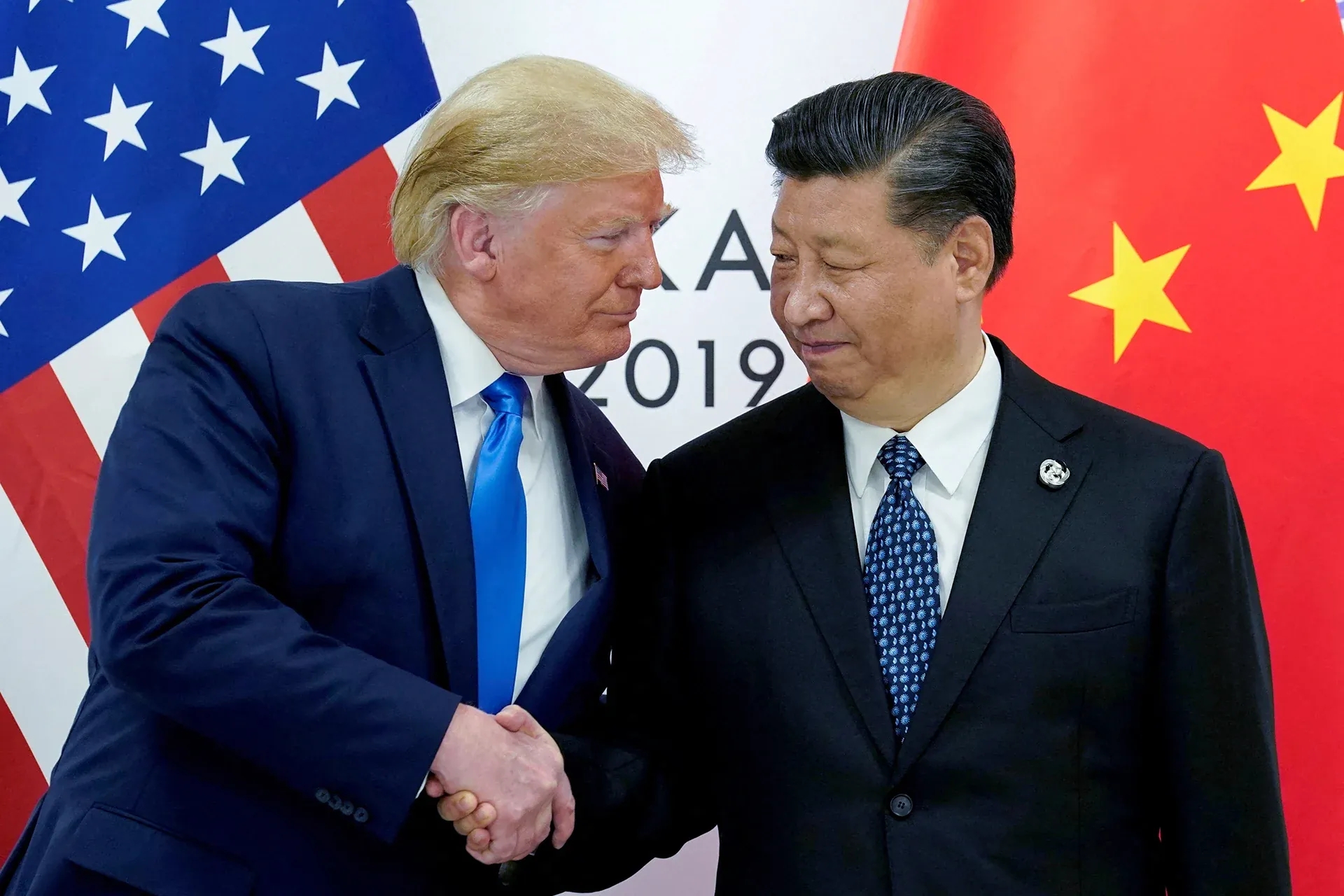
President Donald Trump landed in Beijing on Wednesday evening to meet with Chinese leader Xi Jinping as the 75-day war in Iran continues to destabilize global trade. The meeting comes at a critical moment for the conflict, which has seen energy prices surge and initial ceasefire efforts collapse into a sustained naval and economic confrontation. While Trump expressed optimism about the talks, he told reporters the United States does not need assistance from China to resolve the war, even as diplomatic channels remain largely blocked.
In Tehran, military leaders signaled a hardline stance. An Iranian commander stated that the nation is ready to repel a new U.S. attack at any place or time, citing recent military drills as proof of readiness. This defiant rhetoric follows the breakdown of peace negotiations and a tightening U.S. blockade on Iranian ports. As Trump arrives in Beijing, the geopolitical stakes have grown due to a recent naval incident where Kuwait detained an Iranian boat crew, an act Tehran called a move to create discord.
The financial and human costs of the conflict are mounting. Acting Pentagon Comptroller Jules Hurst informed lawmakers that the war has already cost American taxpayers $29 billion. Political divisions in Washington remain sharp, as the U.S. Senate recently defeated a seventh attempt to limit Trump’s war powers. Despite one Republican voting with Democrats, the measure failed to pass. On the water, U.S. Central Command confirmed that forces have redirected 67 commercial ships and disabled four others. Warning shots were fired at two vessels earlier this week to enforce the blockade, though 15 humanitarian ships were allowed through.
Global energy markets are feeling the strain of the blockage in the Strait of Hormuz. The International Energy Agency warned that oil prices could spike further after global stocks dropped by 117 million barrels in April. Before the summit,