
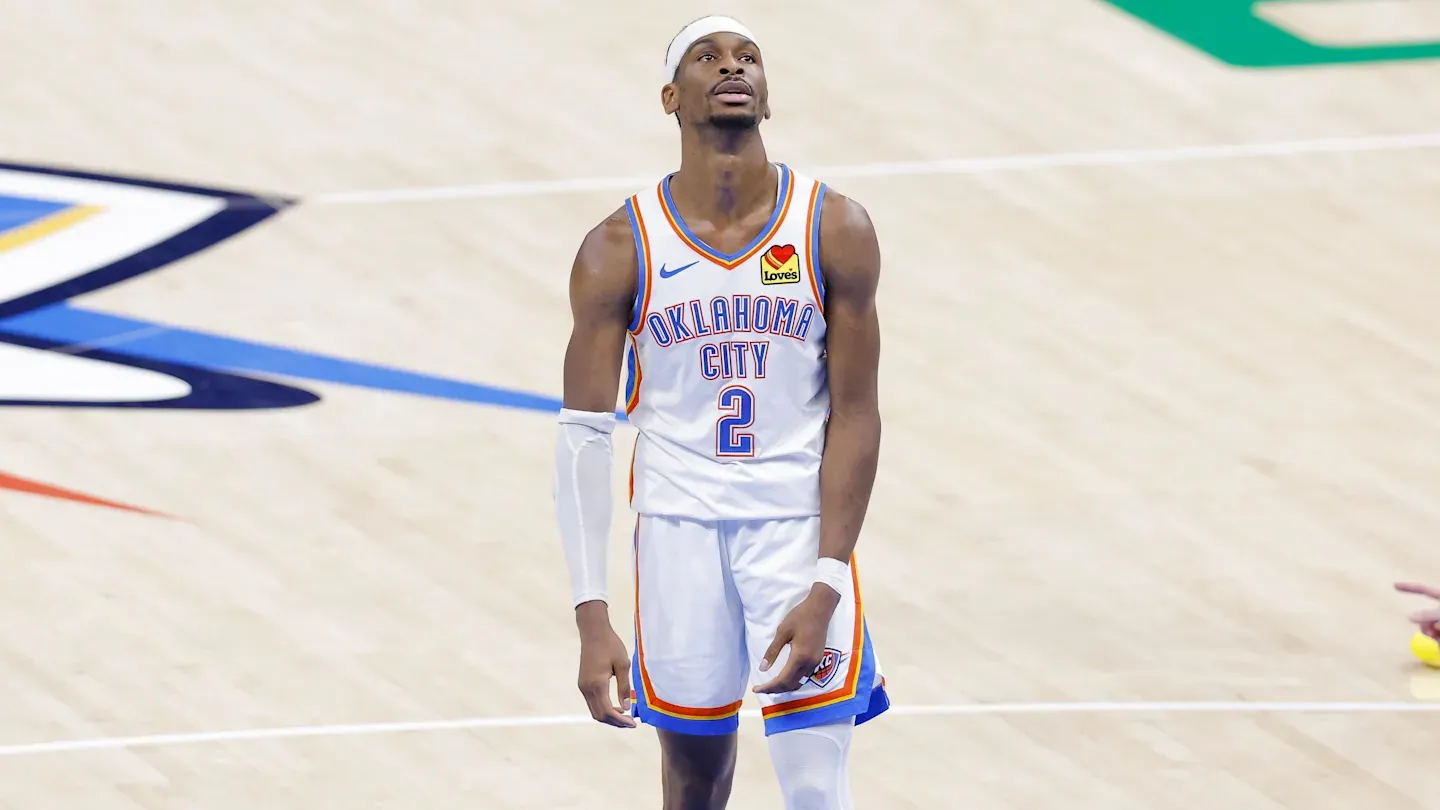
The Oklahoma City Thunder have officially shed their skin as the NBA’s favorite small-market underdog to become the league’s newest and most polarizing villains. This transformation reached a boiling point recently during the 2026 Western Conference playoffs as the defending champions secured a commanding 3-0 series lead over the Los Angeles Lakers. The shift from “darling” to “antagonist” isn’t just about winning; it is fueled by a growing league-wide resentment toward the team’s perceived officiating advantages and their unapologetic embrace of a high-pressure, physical sports culture.
Tensions exploded on the court when LeBron James and several Lakers teammates surrounded the officiating crew to protest the “friendly whistle” they believe reigning MVP Shai Gilgeous-Alexander receives. The Lakers expressed visible fury over Gilgeous-Alexander’s ability to draw fouls, a tactic that has frustrated opponents throughout this dominant postseason run. However, the Thunder star and his teammates didn’t offer apologies. Instead, Gilgeous-Alexander and the OKC bench were seen laughing at the Lakers’ mid-game meltdown, signaling a complete lack of concern for their rivals’ frustrations.
Speaking to reporters after the final whistle, Gilgeous-Alexander remained cold and dismissive of the officiating narrative. He stated that he refuses to waste mental energy on referee decisions he cannot control, calling the complaints “distractions away from the court” that do not affect the Thunder’s preparation. This icy demeanor has become the hallmark of a team that no longer cares about being liked. Head coach Mark Daigneault and center Chet Holmgren have echoed this sentiment, openly embracing the negativity as a sign of their status at the top of the basketball world.
This organizational arc is a massive departure from 2021 when the Thunder were a 22-win team praised for their patient rebuilding process. Now that they are winning at a historic clip, the narrative has soured. Even veteran coaches have taken notice of the shift. Golden State Warriors head coach Steve Kerr recently weighed in on the drama, comparing the current Thunder squad to his own 2016 Warriors. Kerr noted that fans and media naturally turn against a team once they stop being the “scrappy underdog” and start winning too much. For the Thunder, the “villain” label isn’t a distraction—it is a badge of honor that confirms their era of dominance has arrived.
The End of the Small-Market Darling: Why OKC’s Dominance Triggered a League-Wide Backlash
The Thunder’s rapid ascent from the draft lottery to the top of the NBA has triggered a specific brand of resentment that only the most successful franchises experience. By refusing to play the role of the humble winner, Oklahoma City has forced a paradigm shift in how fans interact with small-market champions. The “villain” narrative is a direct consequence of their clinical efficiency; when a team wins as consistently as the Thunder, their on-court tactics—such as Gilgeous-Alexander’s mastery of the foul line—are no longer viewed as “crafty” but as “manipulative.” This psychological turning point is the clearest indicator yet that the Thunder have established a legitimate dynasty, moving past the need for external validation to focus entirely on a ruthless pursuit of consecutive titles.