
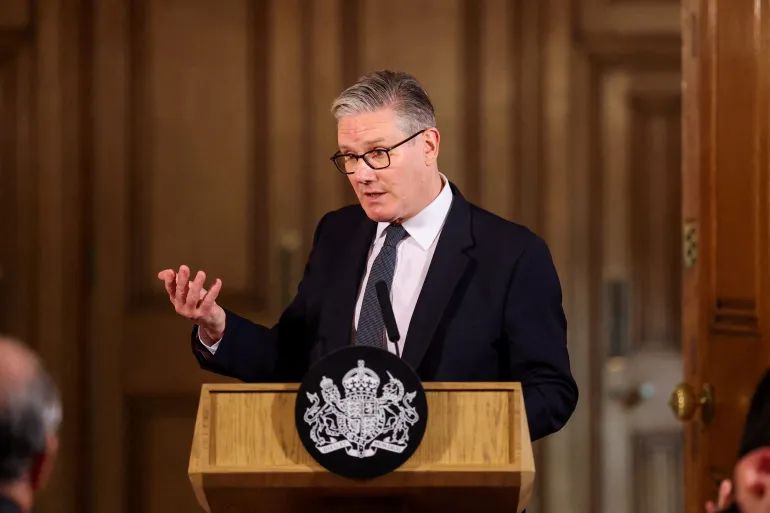
Keir Starmer said he will not quit today after his Labour party suffered a brutal night in the local elections. The losses come as British voters vent their anger over a stagnant economy and high inflation triggered by the ongoing military conflict in the Persian Gulf. Labour officials confirmed the party lost control of several key councils, including its flagship London victory in Wandsworth. The results reflect a collapse in support for the government’s centrist fiscal rules. Starmer told reporters on Friday morning the results were “very tough” but he insisted he has a mandate to stay. He plans to lead his party into the next general election. But his authority is under fire.
Nigel Farage’s Reform UK is the clear winner of the night. The party secured its first-ever majority on a London council in Havering. They also swept every single seat in Hartlepool. Early counts show Reform UK has gained over 210 seats across England so far. This represents the most significant breakthrough for a third party since the rise of the SDP in the 1980s. Farage told supporters that the party is now the real opposition to Labour. In Wales, the situation is even worse for the government. Early voting data suggests Labour is on track to lose the national vote in Wales for the first time in over 100 years.
The scale of the defeat has sent shockwaves through UK bond markets. Investors are already pricing in extreme political volatility. Some analysts are tracking “Starmer Out” markets as faith in the current leadership model disappears. Starmer’s refusal to resign despite losing hundreds of councillors has sparked calls for an emergency meeting of the Parliamentary Labour Party. Keir Starmer’s live reaction to the results failed to satisfy critics within his own party who want a shift in economic policy. Many voters in the “Red Wall” areas cited the lack of investment and high energy costs as their primary reason for switching to Reform UK.
How the Reform UK Breakthrough in Havering Redraws the British Electoral Map
The surge of Reform UK into a London council majority marks a fundamental shift in the UK’s geographic political divide. Historically, London served as a safe fortress for Labour’s centrist and progressive wings. By capturing Havering, Reform UK has proven it can export its populist appeal from the northern “Red Wall” into the suburban heart of the capital. This shift puts immediate pressure on Starmer’s fiscal policy, as he now faces a two-front war against Farage’s right-wing populists and a burgeoning Green Party on his left flank. The 2026 results mirror the 2013 UKIP surge that eventually forced the Brexit referendum, signaling a similar era of deep political instability for the UK. If Starmer does not pivot his economic strategy to address the cost-of-living crisis, the bond market volatility seen this morning could be just the beginning of a larger institutional crisis.