
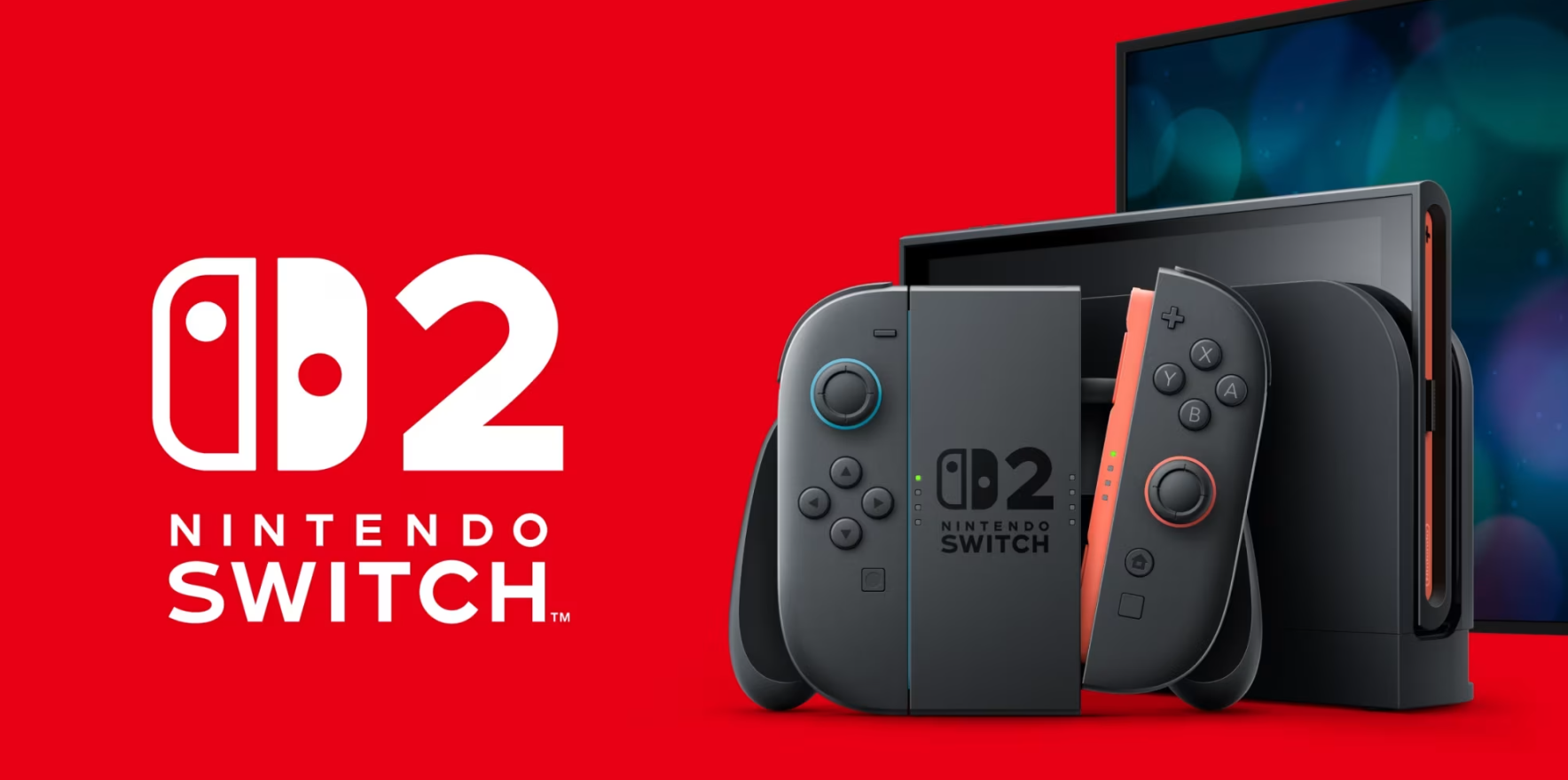
Good news has hit the tech world, and it involves the highly anticipated Nintendo Switch 2. This console marks a big step for mainstream gaming systems. It is the first to include NVIDIA hardware, which opens the door for a powerful graphics trick called DLSS. This technology, Deep Learning Super Sampling, aims to make games look and run better.
Word spread this past Sunday, according to a report from Tom’s Hardware, that the new Switch 2 isn’t just using one type of DLSS. Instead, it supports two different versions. Each one has its own set of strengths and weaknesses when it comes to how good games look and how much power the console uses. It’s a clever way to handle various game demands.
One of these versions is what some call “standard” DLSS, much like what you’d find on powerful gaming PCs. This option provides crisp visuals, especially when characters or scenes are moving. It makes sure jagged edges look smooth and details stay sharp. However, this high-quality option uses a good amount of the console’s processing power. Because of this, many games on the Switch 2 might stick to 1080p resolution when using this method.
The second version, known as “DLSS Light,” offers a different kind of advantage. This lighter option is built to save power. It lets the Switch 2 push game resolution far beyond 1080p, even up to 4K when the console is docked. The trade-off is that visuals might suffer a bit in motion. Sometimes, during fast camera changes, you might see a brief moment of less sharpness or unfiltered pixels. Even with these small hiccups, the “Light” version runs much faster, freeing up half the processing time for other game elements. This means smoother overall gameplay.
Seeing it in Action
Tom’s Hardware’s tests show that games are already using both of these DLSS tricks. They looked at titles like Cyberpunk 2077, The Touryst, Fast Fusion, and Street Fighter 6. Games aiming for a sharp 1080p picture often go with the “standard” DLSS. On the other hand, titles that target higher resolutions choose the “Light” method to keep performance up. For example, in the game Fast Fusion, DLSS helps scale graphics up to 4K. It also allows for different quality and performance settings.
Not Always Perfect
While the “Light” DLSS offers benefits, it does have its limits. When game scenes have a lot of fast movement or quick camera cuts, the image quality can drop. You might notice some visual glitches. This is a compromise for hitting higher resolutions.
Another interesting point is that Nintendo’s own games are not yet using DLSS. Games like the upcoming Donkey Kong Bananza are opting for other tech, such as FSR (FidelityFX Super Resolution). This suggests that not every game will tap into the new DLSS features. It shows that game developers will need to pick the best tools for their specific titles.