
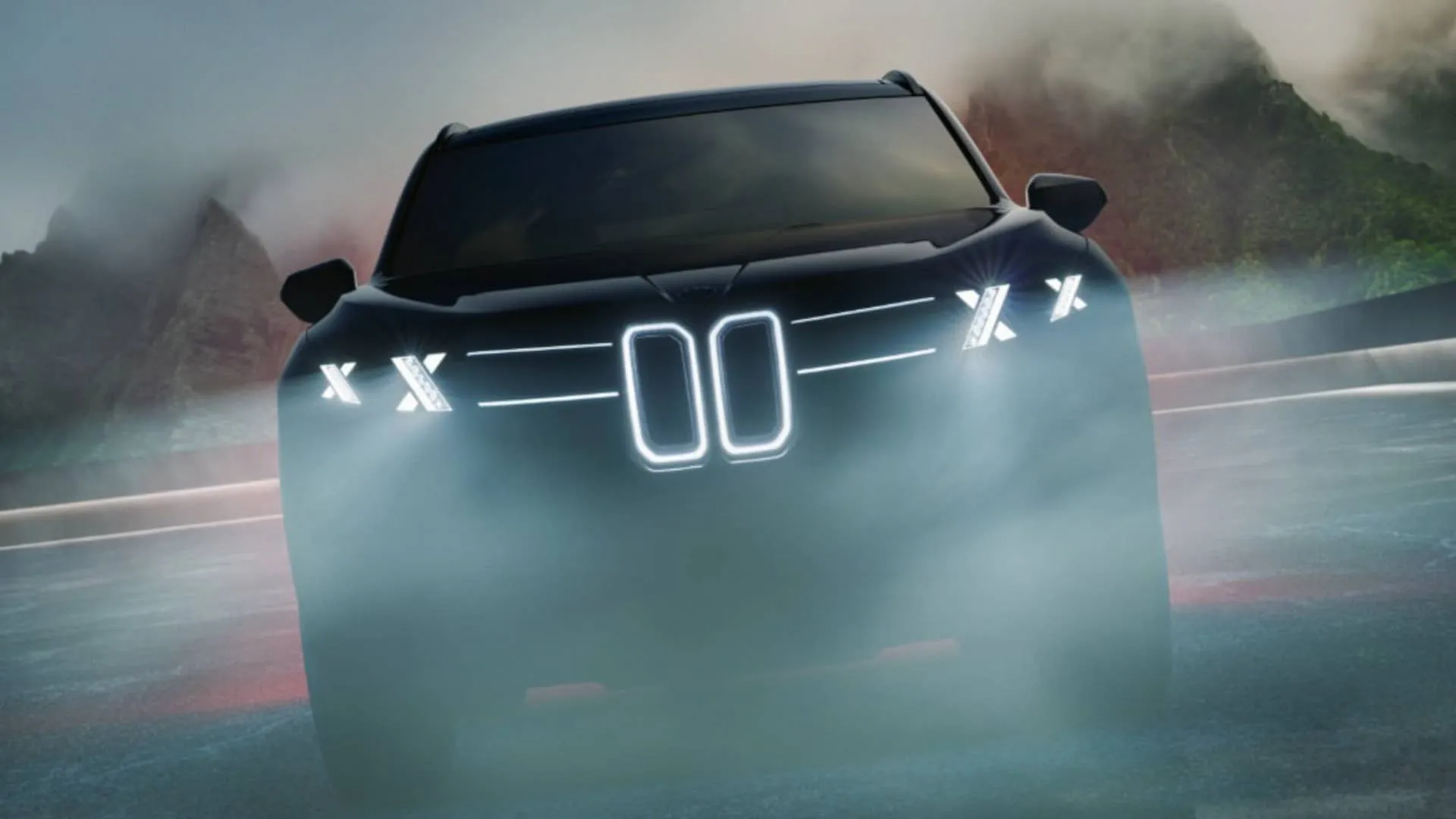
BMW concluded its final Instagram teaser campaign for the fifth-generation 2027 BMW X5 on Monday. Codenamed G65, the luxury SUV is scheduled for its full global debut today, June 30. The front fascia adopts a “Neue Klasse” styling approach, moving decisively away from the oversized kidney grilles that defined the brand’s recent design language. Instead, BMW opted for scaled-down grilles positioned neatly between parallel lighting elements.
But the most striking visual change is the implementation of new X-shaped daytime running headlights. The G65 X5 bridges traditional internal combustion with next-generation electric architecture. The upcoming vehicle rests on a modified version of the existing CLAR platform. It integrates heavily with the Neue Klasse ethos, utilizing the sixth-generation eDrive and the brand’s new ‘Heart of Joy’ control unit.
Buyers will have five distinct powertrain options: gas, diesel, plug-in hybrid, fully electric, and hydrogen fuel cell. The fully electric variant, badged as the iX5, is slated to carry a 144 kWh net battery. That hardware is expected to push the vehicle’s weight to a record 6,200 pounds, according to an Autoblog preview covering the new headlight motif.
Looking Ahead: The Hydrogen Hedge
The decision to offer five different drive system technologies simultaneously is a first in BMW’s production history. The hydrogen push directly addresses the automotive industry’s heavy reliance on expensive battery minerals. BMW executives explicitly positioned the hydrogen fuel-cell electric vehicle (FCEV) as a strategic hedge to reduce supply chain vulnerabilities while still hitting decarbonization targets.
Toyota is a direct collaborator on the vehicle. The Japanese automaker partnered with BMW to develop the core fuel-cell systems utilized in the hydrogen variant’s Flat Storage system. When the iX5 Hydrogen launches in 2028, it will mark the first time a hydrogen-powered BMW has ever entered series production following decades of prototype testing.