
Good news, PC gamers! Steam just rolled out a smart new tool. This update helps you understand exactly what’s going on inside your computer while you play. You can now see much more than just your frame rate.
The new monitor gives you a clear picture of your computer’s parts. You can check your CPU, GPU, and RAM usage. It also shows graphs of how these parts are working, including their lowest and highest points. A really neat feature is showing the difference between “real” frames and those added by tech like DLSS or FSR. This helps you know if your game is truly smooth or just looking that way.
How to See Your PC’s Performance
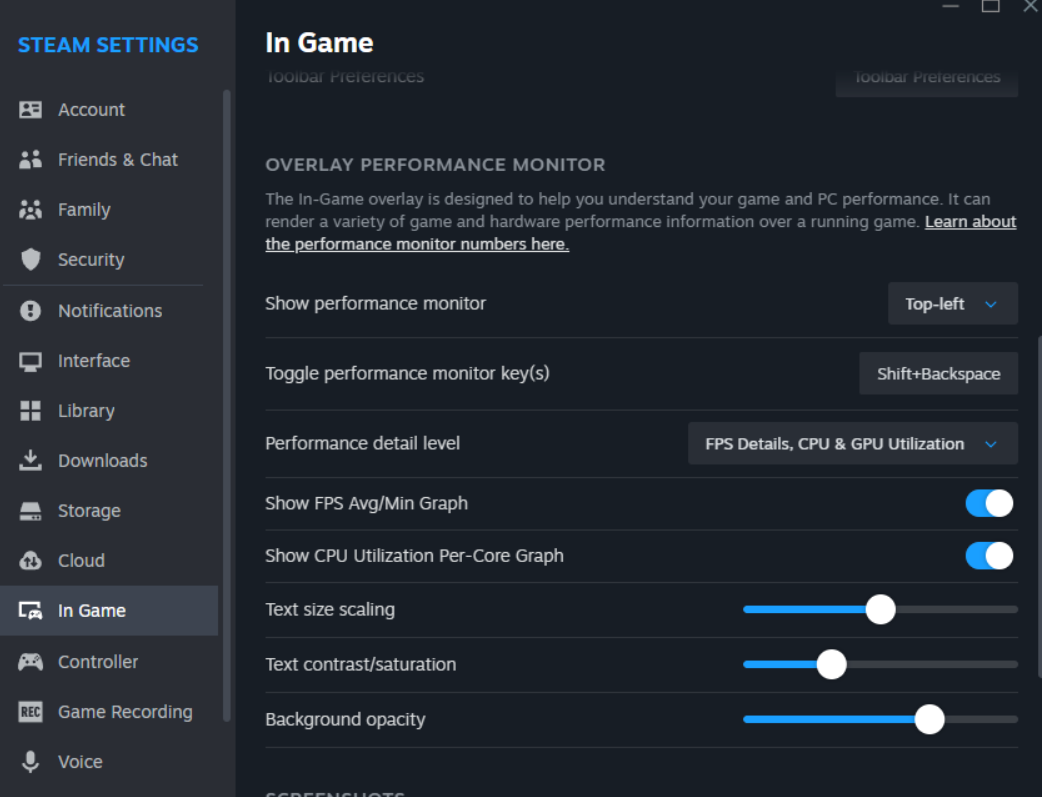
It’s easy to turn on this new feature. Just go to Steam’s Settings. Then click “In-Game.” You will see an option called “Show Performance Monitor.” From there, you can pick how much detail you want to see.
There are four levels of depth:
- Simple FPS
- FPS Details (this shows minimum and maximum frames)
- CPU + GPU
- FPS + CPU + GPU + RAM
With this tool, you can compare how DLSS or FSR boosts your frames. For example, it might show 200 generated frames versus 100 real frames. This helps you understand your game’s true speed, not just a boosted number.
Why This Matters to Gamers
Before this update, many gamers had to use other programs. Tools like MSI Afterburner, MangoHud, or Game Bar were needed to check performance. Now, all that information is built right into Steam. This makes it much simpler to figure out why a game might be running slow. You can quickly see if your CPU, GPU, or RAM is causing trouble. It also helps you spot if frame-generation tech is being overused.
What’s Next for This Tool
Valve, the company behind Steam, says this is just the beginning. They plan to add more features in the future. Soon, you might see automatic warnings for common performance problems. They also plan a quick summary you can pull up with Shift+Tab. Valve aims to make this tool work with even more graphics cards and computer systems.
The tech news site, The Verge, shared this update on Monday, October 30.