
Most countries try hard to make their roads safer. They often use speed cameras or strict laws to keep drivers in line. But South Korea took a different path. They turned driving into a game.
The most popular navigation app there is called Tmap. They say their special “Driving Score” program did something amazing. It helped stop over 31,366 car crashes between 2018 and 2020. Now, it’s true that no one else has checked these exact numbers independently. Tmap got them by comparing accident rates of drivers with high scores versus low scores. Still, the idea is quite clever.
According to the Korea Herald, if you have the Tmap app on your phone, it watches how you drive. It checks several things:
- How you accelerate
- How you brake
- How you take turns
- If you speed
Scores Push Drivers Toward Better Habits
The smoother you drive, the higher your score gets. And a good score isn’t just for bragging rights. It unlocks real perks. Think discounts on your car insurance or credits you can use for gifts. What’s even cooler is that these scores are often public. They show up in apps Koreans already use, and you can see how your score stacks up against others. It’s like a friendly competition where everyone wants to win.
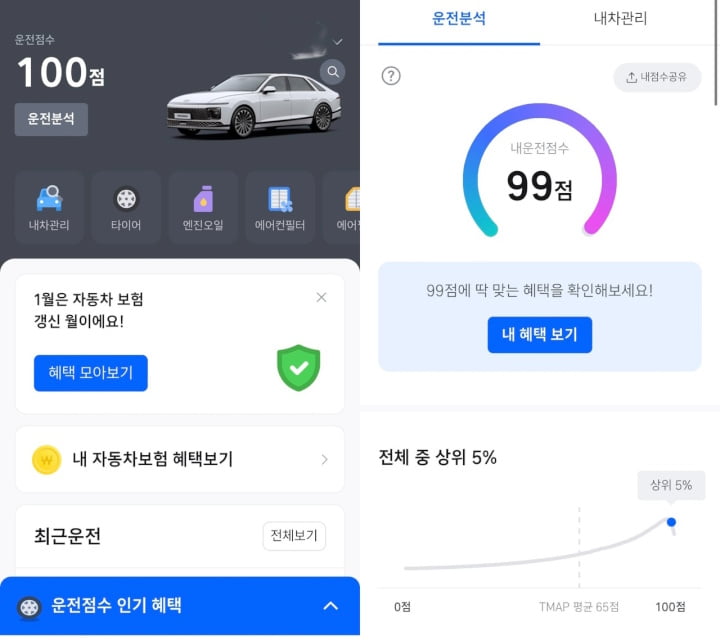
By the end of 2024, Tmap had 19 million people using this feature. A full 10.1 million of them earned rewards.
This system creates a win-win situation, says Chun Ji-yeon. She works at the Korea Insurance Research Institute. “It’s one of the few competitions where everyone benefits when scores go up,” she explained. “Safer driving means fewer accidents. Insurance companies save money on claims. And drivers save money too. It’s a rare moment when everyone’s goals line up perfectly.”
Tmap’s success has inspired others. Kakao Map launched its own scoring system in 2022. Naver Map followed in 2024. Even Socar, a car rental service, has joined the trend.
Of course, collecting and sharing driving data brings up privacy questions. It’s something people think about. But this new way of playing a game with driving seems to get people to drive better. It helps achieve a goal almost everyone shares: making roads safer for everyone.