
Emraan Hashmi and Yami Gautam’s upcoming film "Haq" is set to release on November 7. The movie is generating significant buzz as it is based on the landmark Shah Bano case, a pivotal moment in Indian legal history. The film’s trailer has reignited public interest in the original 1985 Supreme Court verdict.
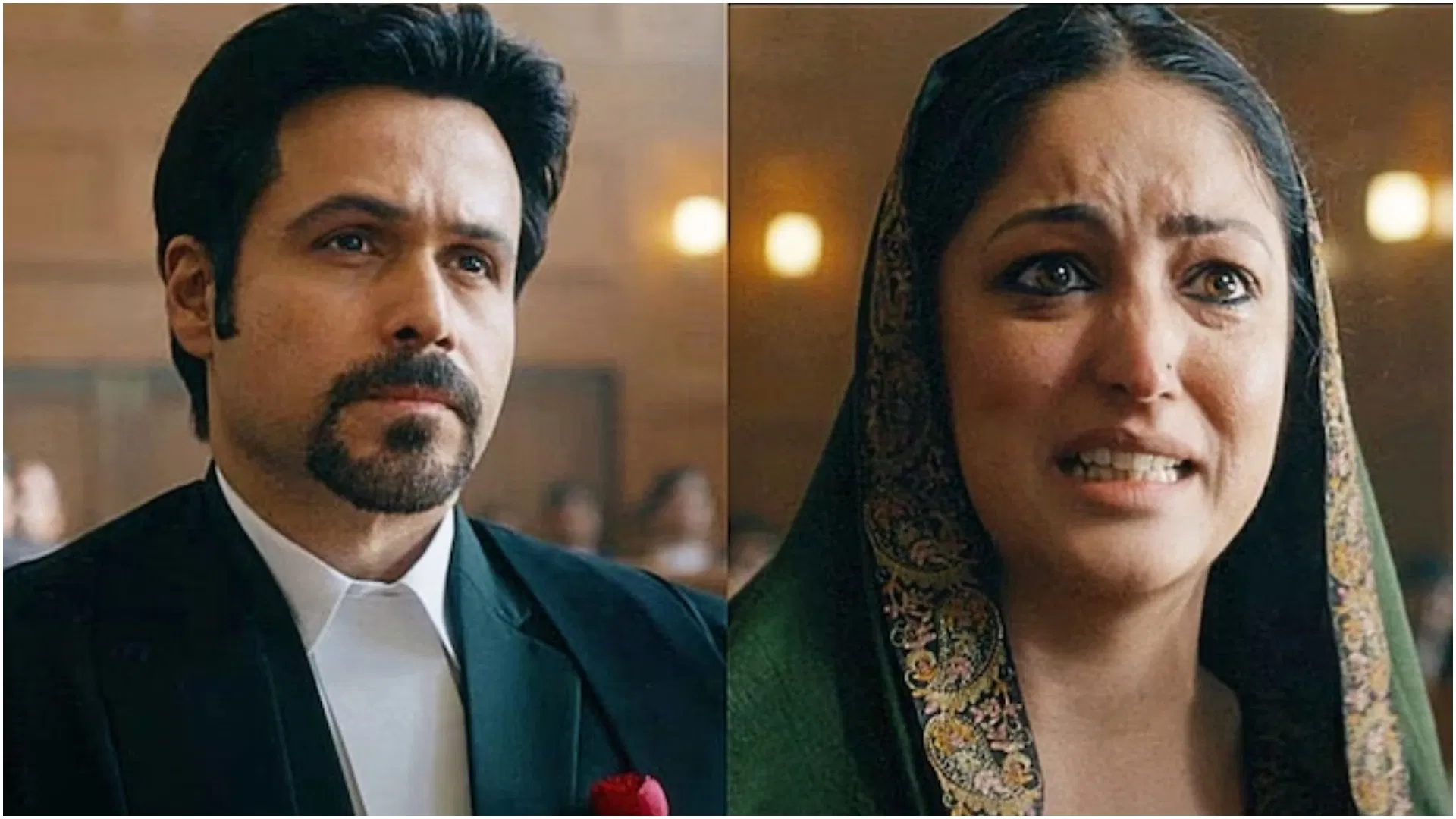
The Shah Bano case began in 1978. It involved Shah Bano, a 62-year-old woman, who sought maintenance from her divorced husband. Her husband was Mohammed Ahmed Khan, a prominent lawyer in Indore, India.
Shah Bano had married Mohammed Ahmed Khan in 1932. They had five children together: three sons and two daughters. After 14 years of marriage, Khan married a second wife, which is permissible under Islamic Personal Law.
In 1978, Mohammed Ahmed Khan divorced Shah Bano and expelled her from their home. He promised to provide financial support only for the Iddat period, which typically lasts three months or 90 days.
After these three months, Khan stopped sending money. Shah Bano then approached an Indore court, filing a petition to demand maintenance for herself and her children. She sought this under Section 125 of the Criminal Procedure Code (CrPC) of 1973.
Section 125 grants women who are unable to support themselves the right to seek maintenance from their divorced or separated husbands.
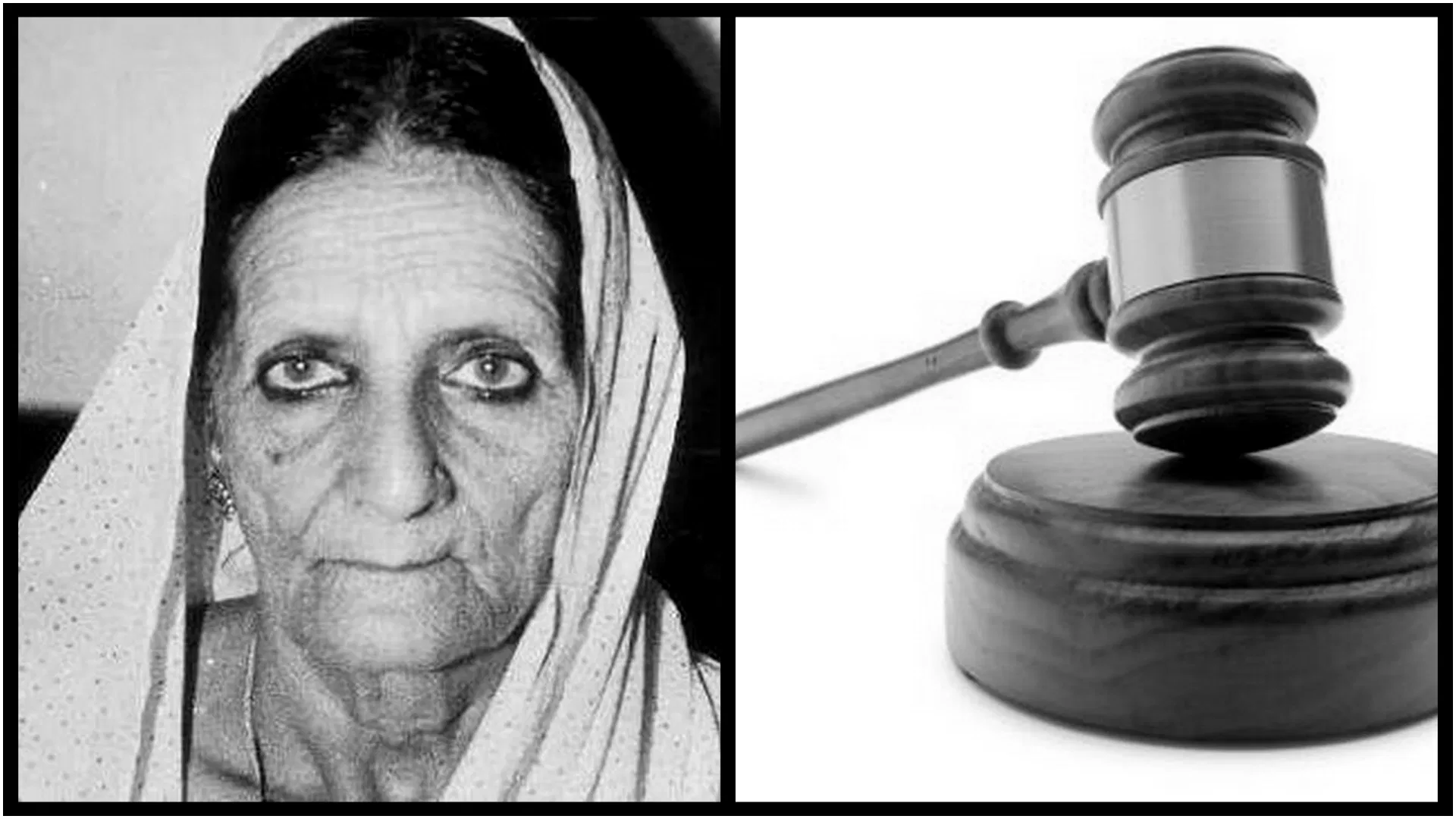
Mohammed Ahmed Khan countered Shah Bano’s plea by citing Muslim Personal Law. He argued that his financial obligation ended after the Iddat period. The All India Muslim Personal Law Board supported Khan’s argument.
They contended that courts should not interfere in matters of Muslim Personal Law. Such interference, they argued, would violate the Muslim Personal Law (Shariat) Application Act of 1937. This initiated a lengthy legal battle between Shah Bano and Khan.
The seven-year legal struggle culminated in the Supreme Court in 1985. A five-judge bench heard all arguments and delivered a verdict in favor of 73-year-old Shah Bano.
The Supreme Court ruled that any Indian woman, regardless of her religion or caste, is entitled to maintenance from her ex-husband under Section 125 if she cannot support herself. The court emphasized that the moral order of the law should not be linked to religious doctrine.
The film "Haq" is directed by Suparn Verma. While it is based on the Shah Bano case, it has already faced controversy. Shah Bano’s family has accused the filmmakers of factual inaccuracies and proceeding without their consent.