
Wells that penetrate deep into the earth produce awe and fascination, as well as great scientific discoveries.
Falling into a well is one of the most common nightmares and phobias, so these dark abysses are not suitable for all audiences, as we are talking about miles deep under the surface of the earth.
Many have been drilled by human activity, mainly and unfortunately for oil and natural gas, however, some of the holes on this list are intended to harness the earth’s internal heat to produce clean, cheap energy, or unravel the mysteries of the universe. Wells are far more important than they seem, and this is a list of the deepest on the planet:
Bingham Canyon Mine, Utah, USA
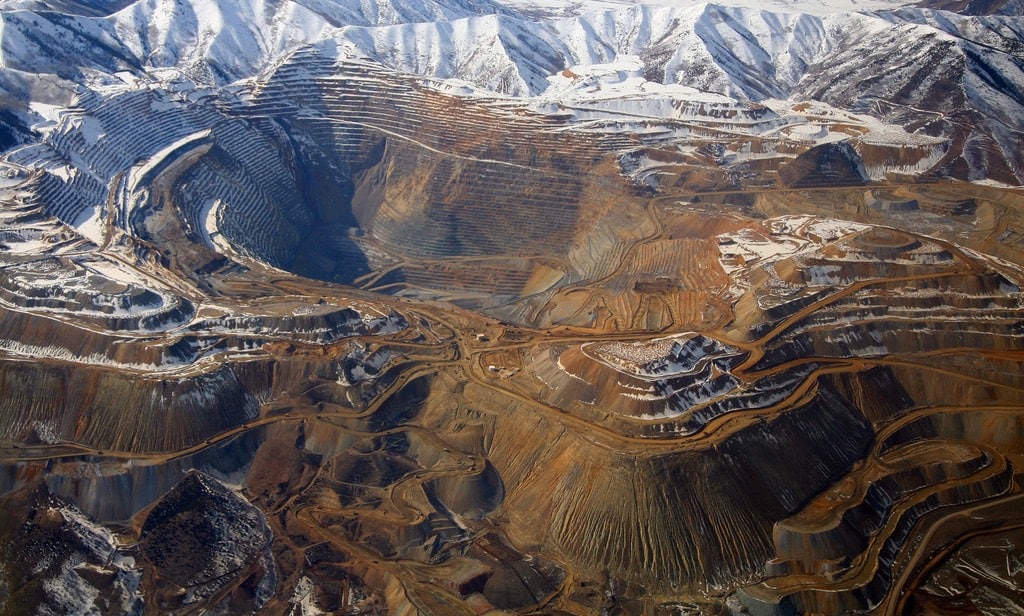
This is the largest open pit mine in the world and the largest excavation in the world. It is located in the mountains outside Salt Lake City, Utah, United States. It is a copper mine, discovered by the Sanford brothers and Thomas Bingham in 1848, although excavations began in 1906. Since then, it has produced nearly 20 million tons and is considered the most productive copper mine in history. It is four kilometers wide and reaches 1120 meters deep. Seeing it from above is very impressive.
IceCube Neutrino Observatory, Antarctica
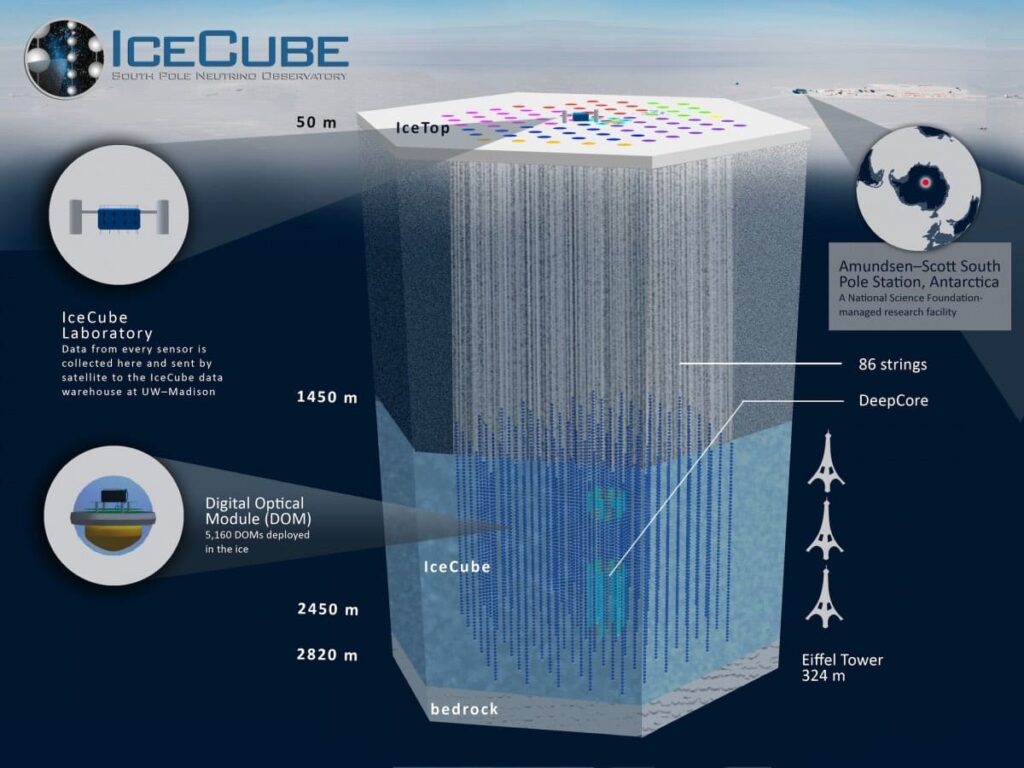
Drilling this hole cost $279 million in 2010. The IceCube Neutrino Observatory was created to detect these subatomic particles coming from distant galaxies and able to pass through matter (and normal detectors) without leaving a trace, so a large homogeneous mass of matter can grow the chances of intercepting them, like deep ice. The instrument is like a telescope that looks at the earth rather than the sky. Huge hot water hoses were used to bury the sensors underground, melting the ice and creating holes for the cables. These holes measure up to 2,820 meters in depth.
Chiky, Japan
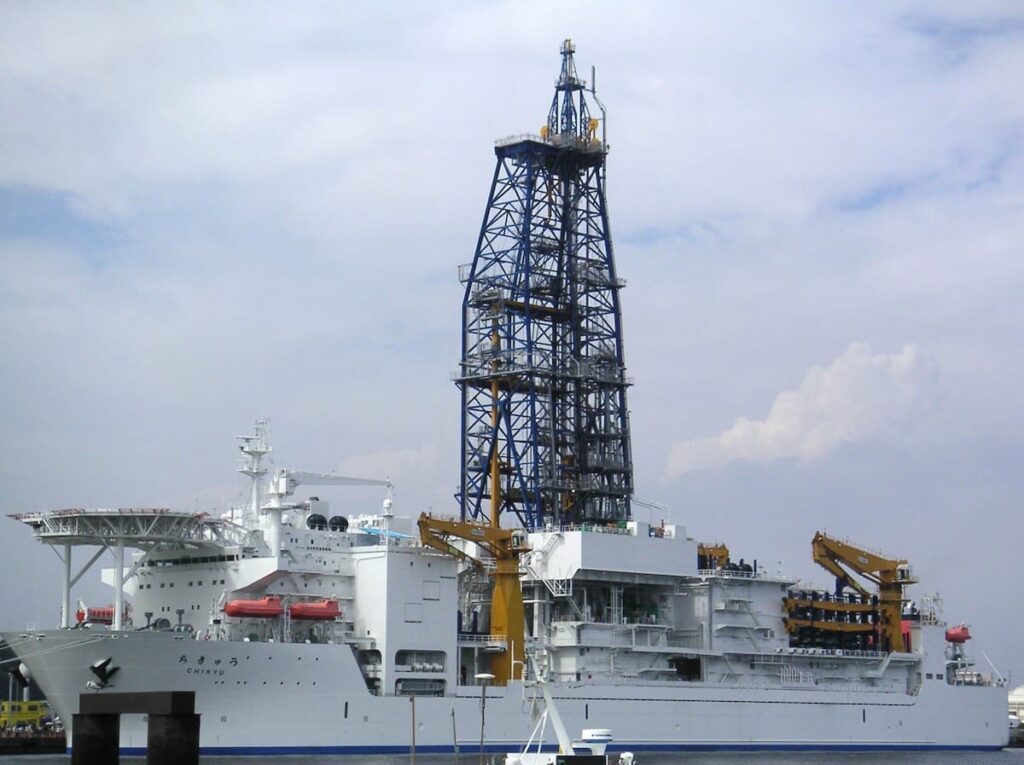
Chikyū (ち き ゅ う) is not exactly a hole, but a ship with a rig. It is a Japanese science mission built for the Integrated Ocean Drilling Program (IODP). It is designed to drill up to 7 kilometers under the sea and reach the mantle beneath the earth’s crust. Why a boat? Because on the high seas the earth’s crust is much thinner than on land. Therefore, although it is not the deepest hole in the world, it will allow the most interesting results, as it operates in some of the most active seismic zones. Its record is 7,740 meters deep in 2012.
KTB hole, Germany
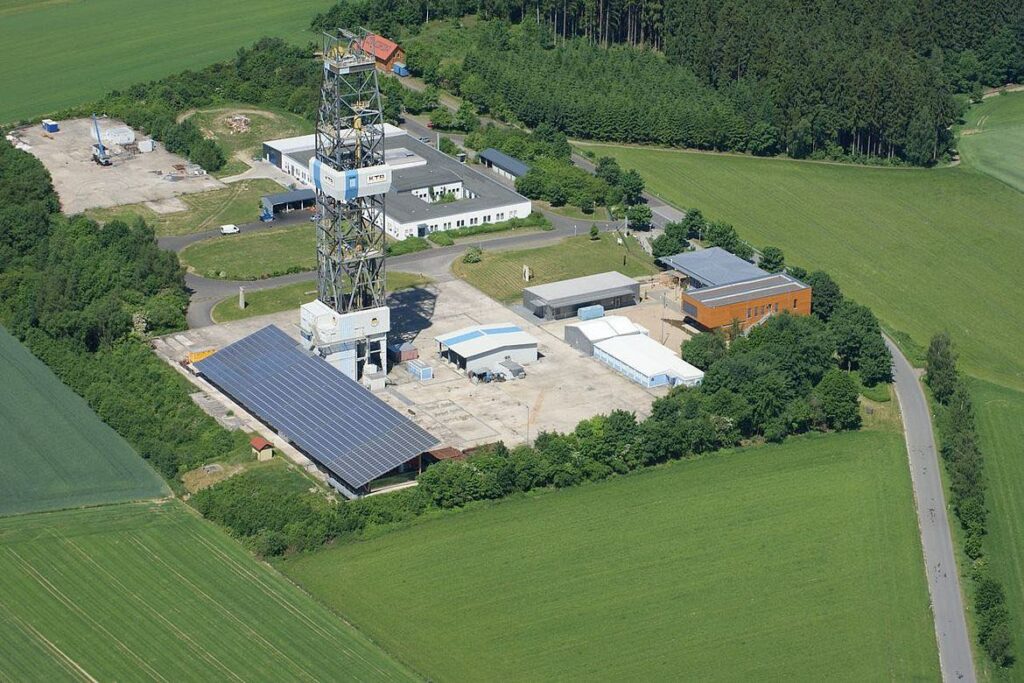
Its name corresponds to the initials of Kontinentales Tiefbohrprogramm der Bundesrepublik Deutschland, Continental Deep Drilling Program of the Federal Republic of Germany. KTB operated between 1987 and 1995 and is located in Windischeschenbach, in the Bavaria region. The drilling reached 9,101 meters, but did not allow it to penetrate the earth’s crust. The temperature in the depths of the hole reached 260℃ and, thanks to the design, interesting discoveries were made, such as that the rock at that depth was not solid as expected and there was a lot of gas and fluids. The pier can be visited and is a major tourist attraction.
Bertha Rogers
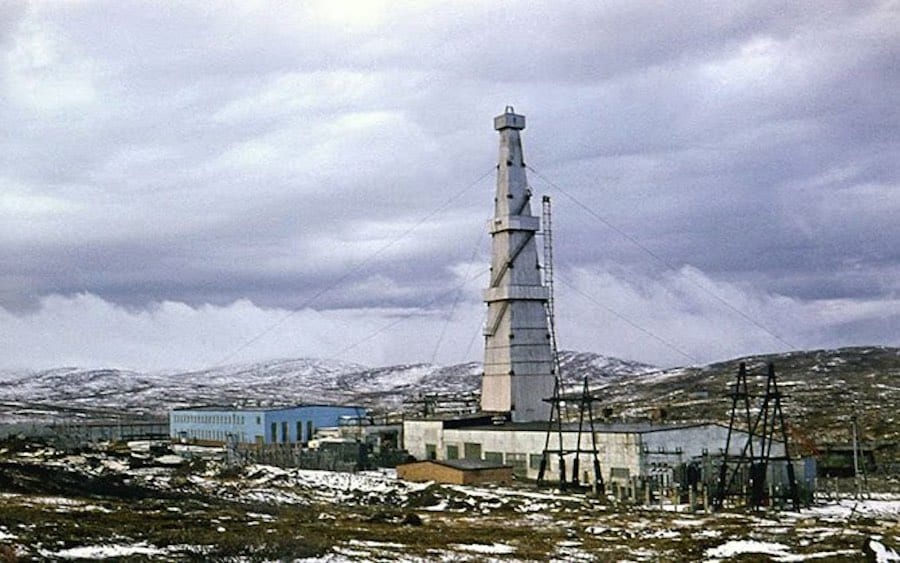
It was the deepest hole in the world until 1979, dug in Washington County, Oklahoma, to look for deposits of natural gas, but it never produced even an ounce of hydrocarbons, despite the huge investment. The well reached an incredible depth of 9,583 meters, surpassing the height of Everest, but it literally went all the way to hell. Drilling had to be suspended because the pipeline was destroyed by a bag of molten sulfur.
Deepwater Horizon, Texas, USA
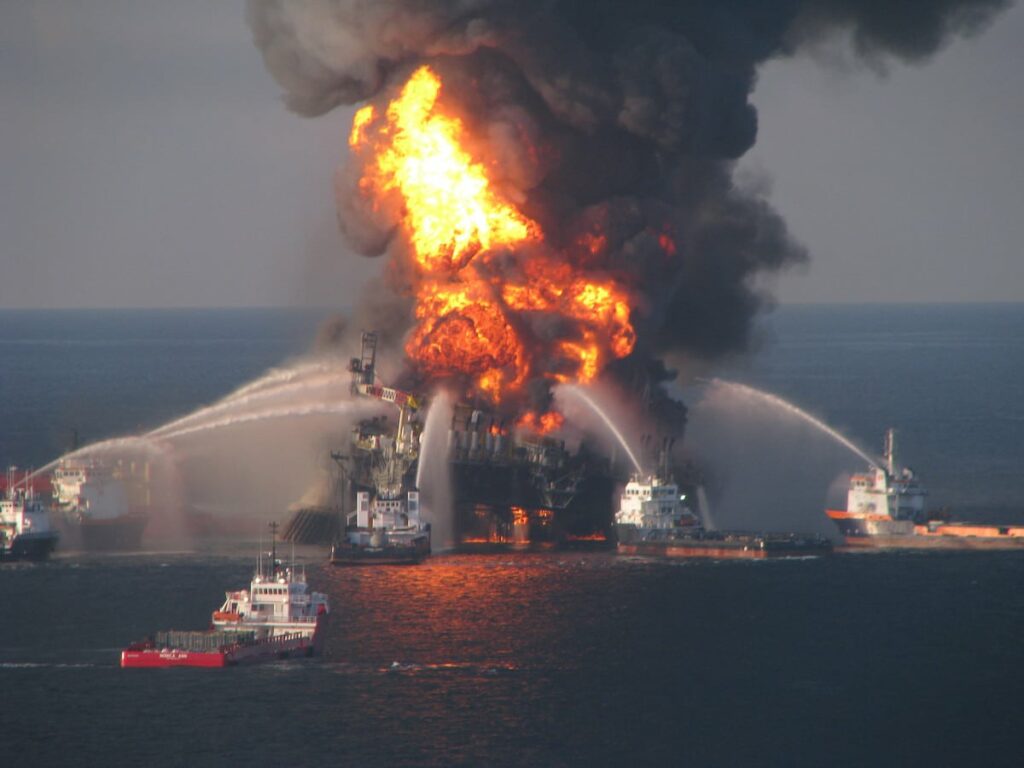
Photograph: Florida Sea Grant
The Deepwater Horizon oil rig in the Gulf of Mexico, near Texas, cost an impressive $560 million and, after its opening, was leased to BP, British Petroleum Company. Made history twice. The first, through the drilling of the deepest oil well in the world, at a depth of 10,683 meters. That mission was successful and they found the Tiber oil field, which is supposed to contain up to six billion barrels of oil. The second time was much less lucky. An explosion in 2010 caused the biggest oil spill in marine history, spilling nearly five million barrels of oil into the Gulf of Mexico and causing an ecological disaster.
Kola Superdeep Well, Russia
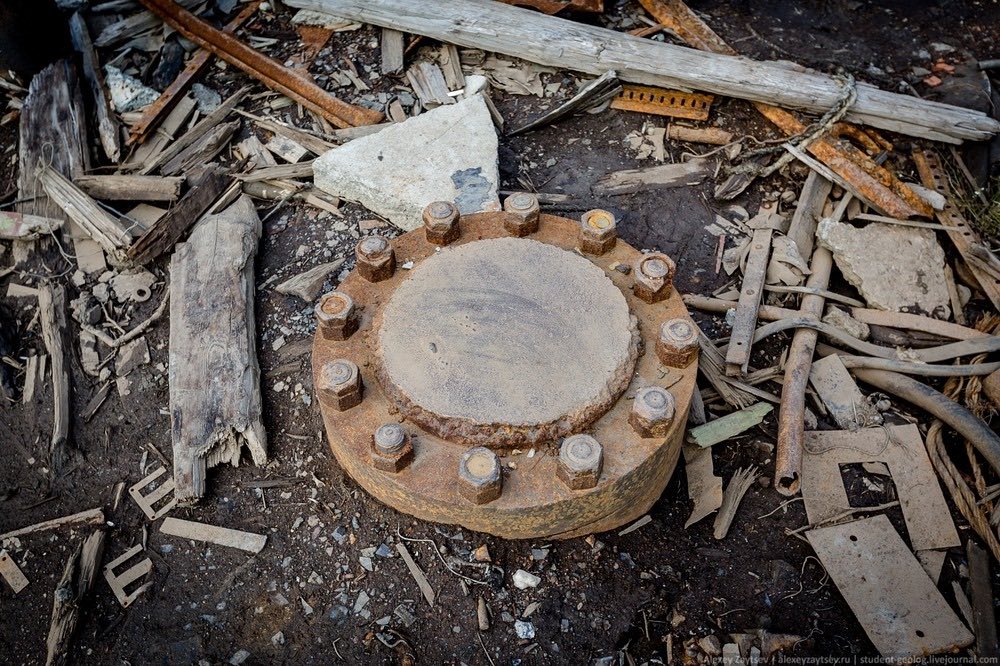
No wonder locals call it Hell’s Pit. Located on the border between Russia and Norway, the deepest well in the world is an attempt by the USSR to reach the mantle beneath the earth’s crust. In 1979, it became the deepest man-made hole in the world, breaking the record set by Bertha Rogers. The project has produced a wealth of geological data, most of which explains how little we know about the Earth’s internal structure today.
In 1989, it became the deepest artificial point on Earth, reaching a depth of 12,262 meters below the surface. Although the Al Shaheen oil well in Qatar exceeds by just 27 meters, the Kola is still the deepest in the world in terms of true vertical depth as it does not deviate from the perpendicular. The forecast was to go even deeper, up to 15 thousand meters, but the works were stopped prematurely due to higher temperatures than expected. In 2012 its entrance was welded and today there is only a metal lid that separates us from the hell that hits the bottom.
Quo Science Travel Section sponsored by Hyundai