
You’ve seen them in the movies, but secret labs also existed in the real world, and who knows if they exist now?
In general, cinema is not particularly kind to scientists or science. In addition to inaccuracies and violations of the laws of physics (for example, destroying giant asteroids with atomic bombs, spoiler, does not work), when a laboratory finally comes out, it is very likely to be run by a mad scientist who wants to take Down the world, the humanity from its secret lair on an island, cave, satellite, or underwater facility.
However, the most important secret scientific laboratories in history made pioneering discoveries and developed revolutionary technologies. Here are some notable examples:
Los Alamos National Laboratory (Project Y), United States
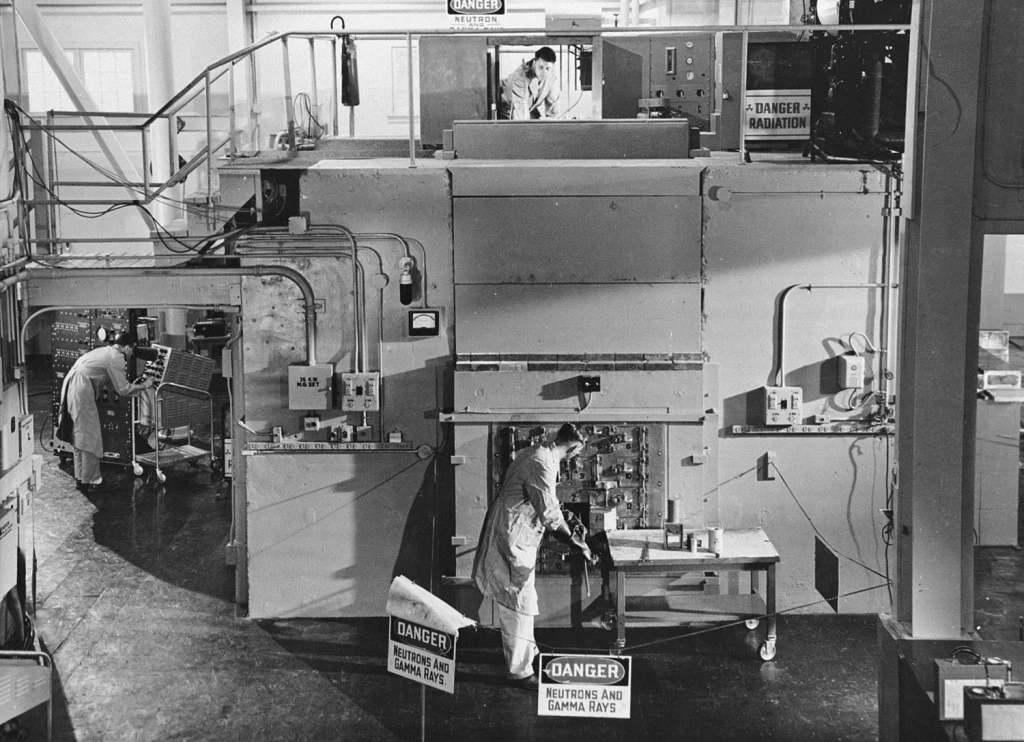
This laboratory was created during World War II as part of the Manhattan Project to develop the atomic bomb. Led by J. Robert Oppenheimer, Los Alamos scientists successfully designed and built the first nuclear weapons, which were used in the bombings of Hiroshima and Nagasaki.
Oak Ridge National Laboratory (Site X), United States
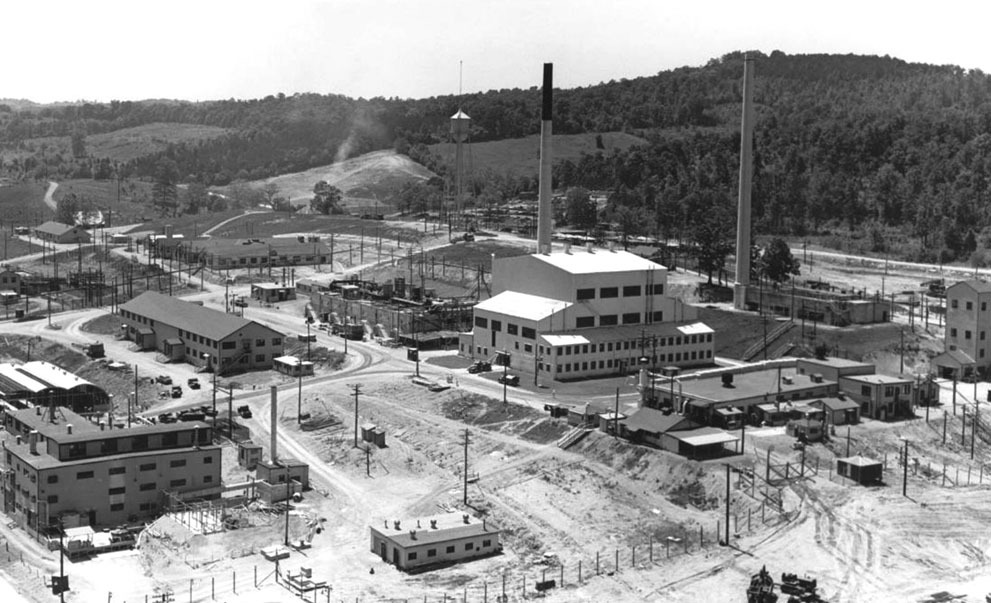
In this case it wasn’t just a lab, but an entire town in Tennessee. Oak Ridge, another of the main Manhattan Project facilities, was responsible for producing enriched uranium for nuclear weapons. The facility’s main objective was the development of the gaseous diffusion method for separating uranium isotopes.
Bletchley Park, United Kingdom
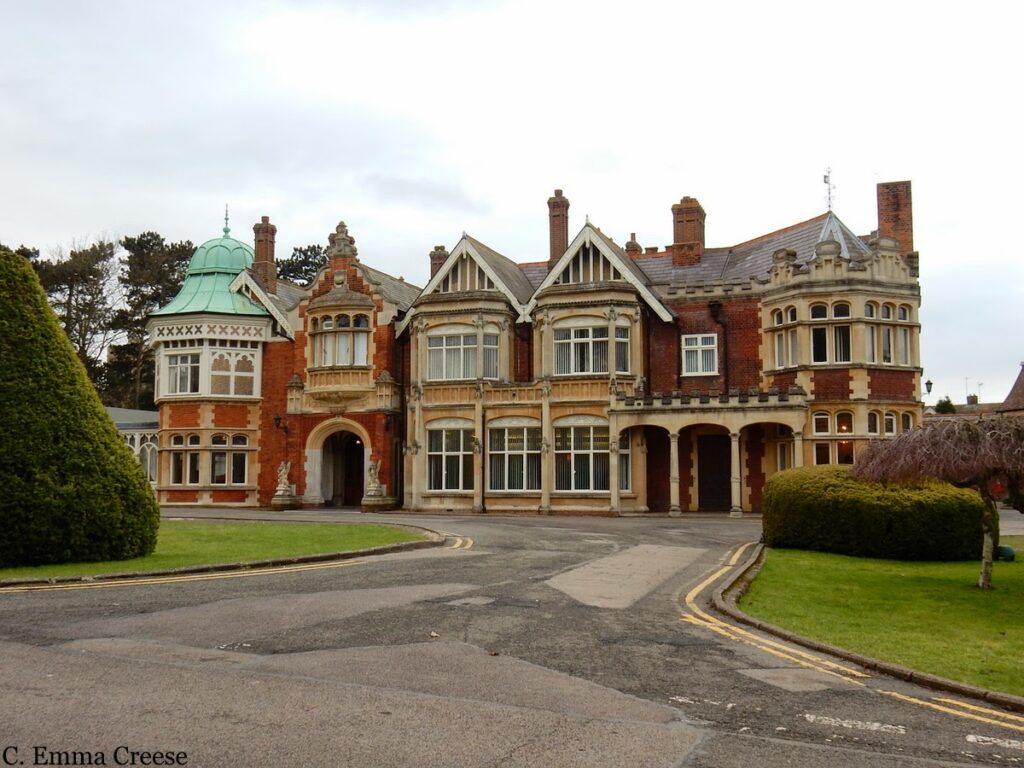
Bletchley Park was the headquarters of the British Codebreakers during the Second World War. It housed the Government Code and Cipher School, tasked with breaking the enemy’s encrypted communications. In particular, mathematician Alan Turing and his team broke the German Enigma machine, significantly contributing to the Allied victory.
Photo: C Emma Creese
Peenemünde Army Research Center, Germany
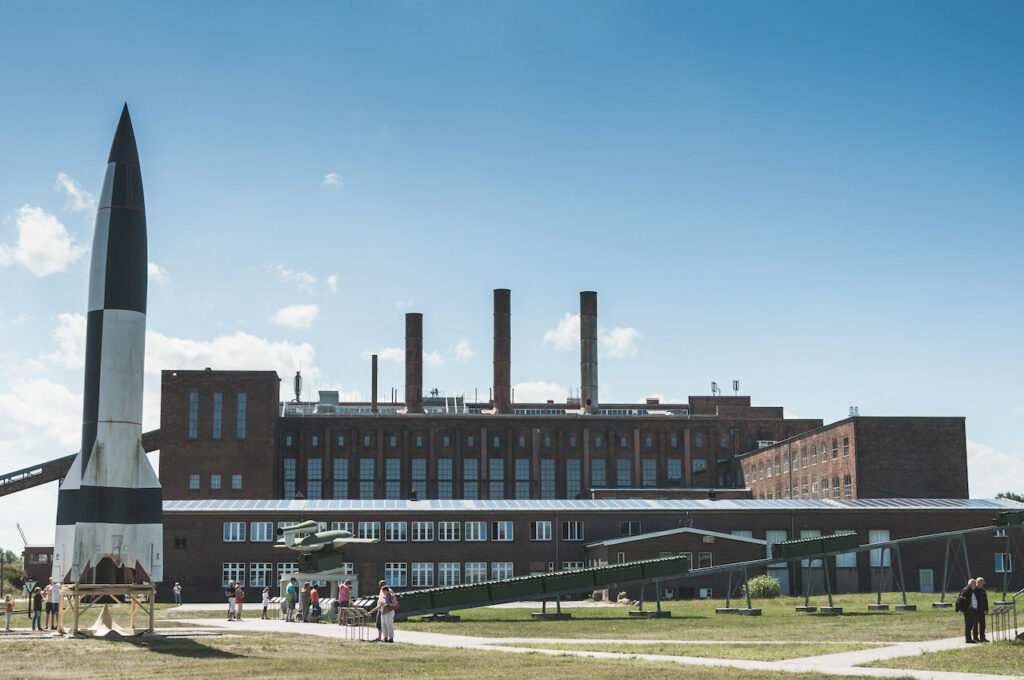
This center was responsible for developing the V-2 rocket, the world’s first long-range guided ballistic missile. Led by Wernher von Braun, the work done at Peenemünde laid the groundwork for post-World War II rocket technology and the modern space program.
Photograph: stephan ruttloff
Sverdlovsk-44, former Soviet Union
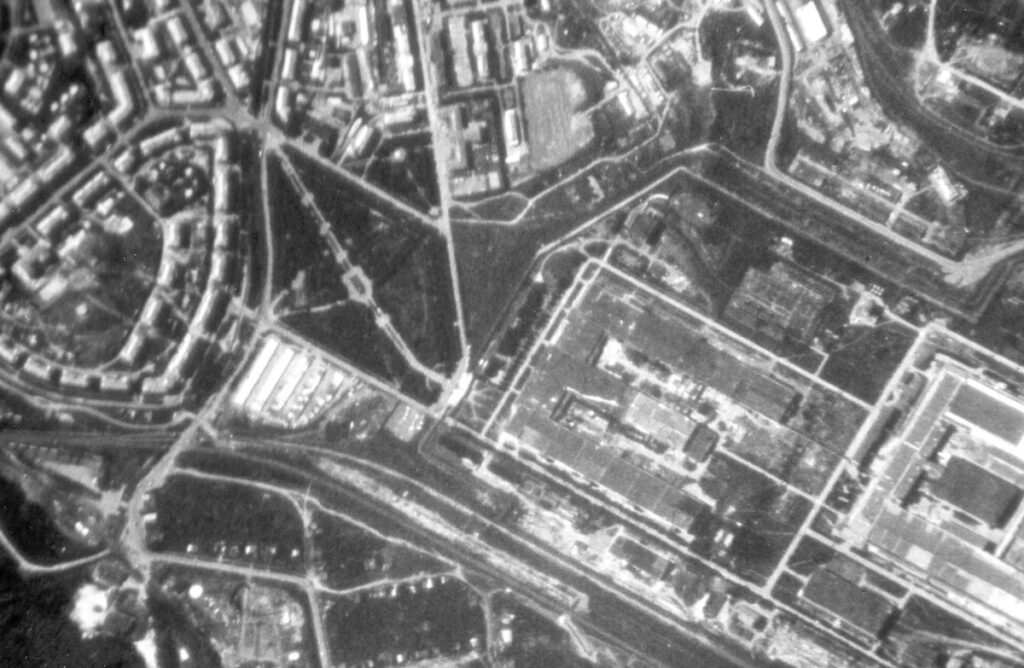
Located in the Soviet Union during the Cold War, this secret city, now called Novouralsk, was dedicated to the research and development of nuclear weapons. Arzamas-16 scientists played a crucial role in the development of the Soviet Union’s first atomic bomb, known as “First Lightning” or “Joe-1”.
Area 51, United States
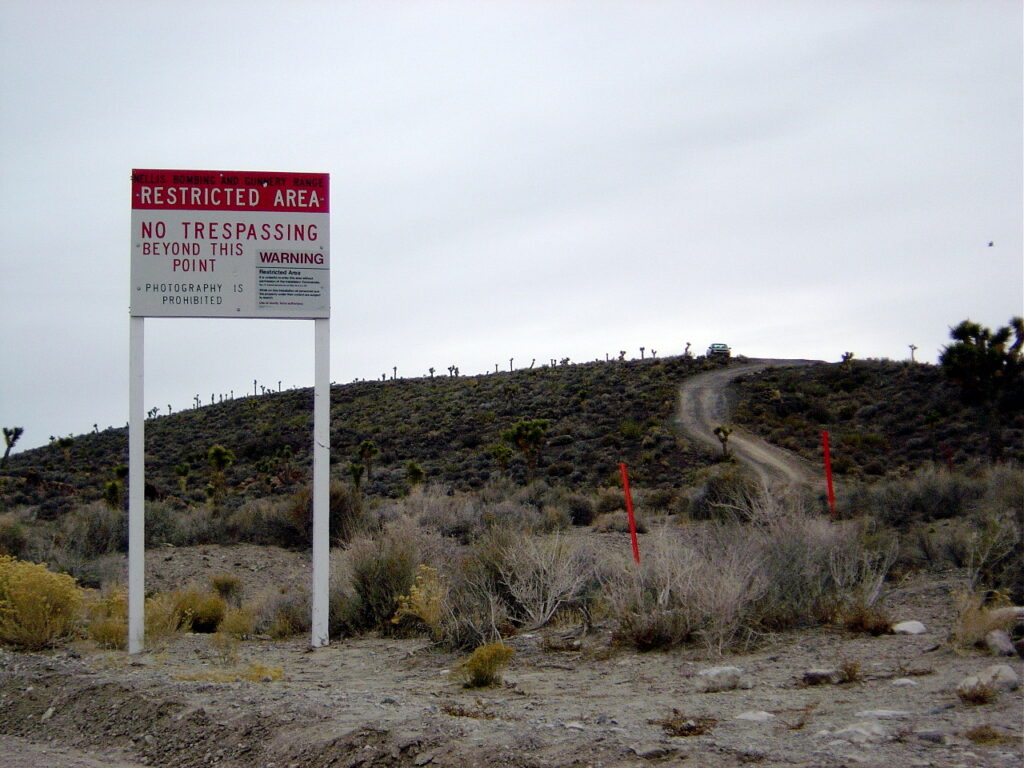
Located in Nevada, Area 51 is a highly classified military facility whose primary purpose is the development and testing of advanced aviation and weapons systems. The secrecy surrounding Area 51 has fueled countless conspiracy theories, including those related to UFOs and alien life.
Porton Down, United Kingdom
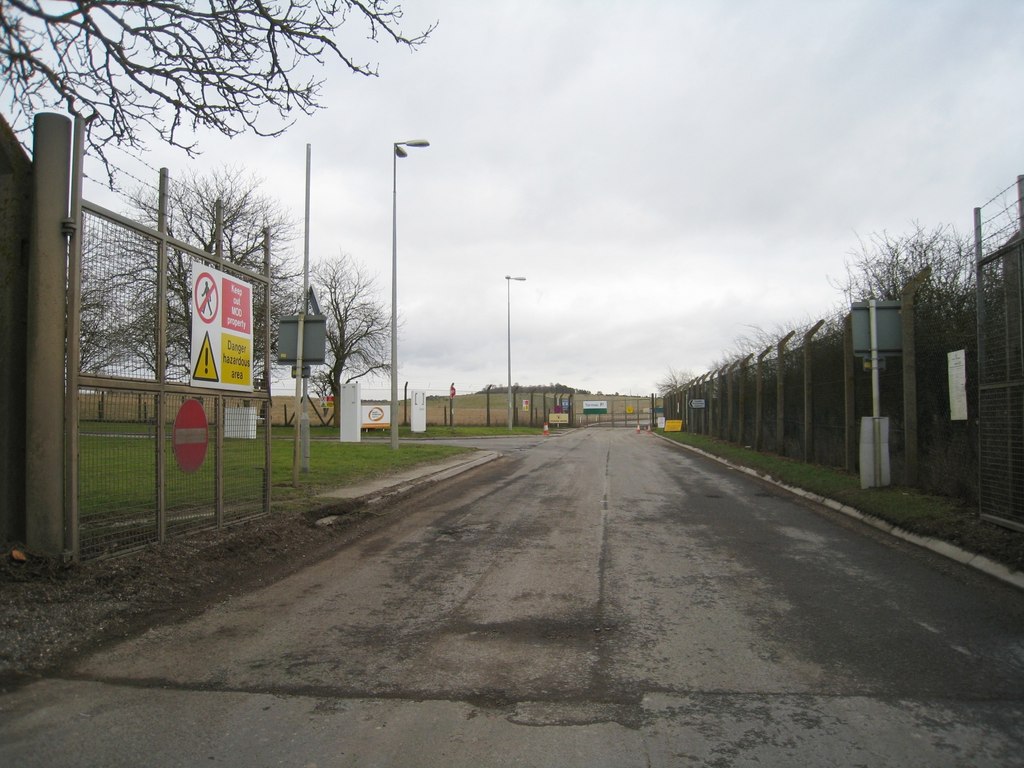
Created during the First World War, Porton Down has been the UK’s main center for chemical and biological weapons research and development. Although its interest has shifted to defense and countermeasures, the center has been associated with numerous controversies related to human and animal testing.
These secret laboratories played a key role in shaping the global scientific and military landscape. His work led to advances in areas such as nuclear technology, cryptography, rockets and aviation, but it has also been the source of ethical debates and controversies and, why not say, the myth of the mad scientist and his secret laboratory so repeated in the cinema.
Quo Science Trips section sponsored by hyundai