
Talk about a plot twist! A movie’s ending is sacred, right? You watch it, you feel it, and then it’s etched in your memory. But what if someone decided to change that ending years later, especially with something as mind-bending as Artificial Intelligence? That’s exactly what happened with the re-release of the film ‘Raanjhanaa,’ and it’s stirring up a huge debate across the entertainment world.
The buzz started when the Tamil version of ‘Raanjhanaa,’ known as ‘Ambikapathy,’ hit theaters again. Filmmakers decided to use AI to alter the climax. In the original movie, the main character, Kundan, tragically dies at the end. But in this new AI-tweaked version? He lives! Imagine the shock for fans who remembered the original. This big change has opened up a whole new set of questions in the industry. Amar Ujala, a news outlet, talked to several experts to get their thoughts on this dramatic move.
The Creators Speak Out
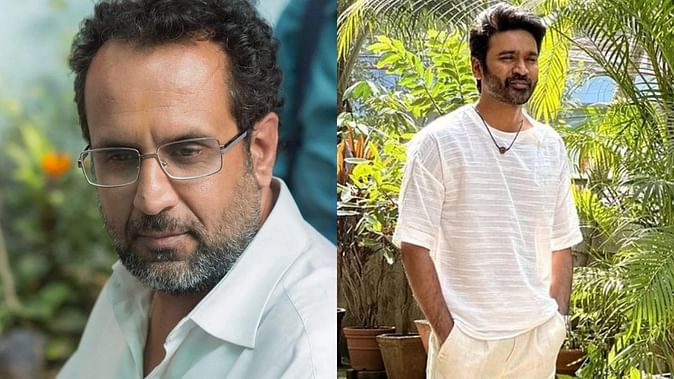
The first person to voice their displeasure was Anand L. Rai, the director of ‘Raanjhanaa.’ He wasn’t happy about the unexpected change. More recently, Dhanush, the lead actor who played Kundan, also spoke up. He took to social media to share his strong objections. Dhanush believes this kind of alteration is dangerous for artists and their original work. He even called for stricter rules to protect creative integrity. This whole situation has sparked a fresh discussion. Can AI really change a film’s ending, especially without the creators’ approval? To answer that, we heard from some big names in the film industry and legal experts.
“Changes Without Asking? That’s Wrong.”
Film director and writer Amar Kaushik weighed in on the issue. He believes AI cannot replace a director. He sees AI as a helpful tool, but it must be used carefully. “Changes made without consent are wrong,” he stated clearly. “If someone changes the end of my film using AI without asking me, that would be completely incorrect. Respecting creativity is really important.”
“Technology Should Work, But With Human Consent.”
Another director, Anil Sharma, shared his perspective. He sees AI as new technology that needs thoughtful use. Every film, he noted, involves a lot of hard work and thinking. Sometimes, films don’t do as well as hoped. Even if years later, AI could help improve something, the director and writer must still give their approval.
“Don’t Fear AI, Use It Smartly.”
Not everyone sees AI as a threat. Producer and screenwriter Shabbir Boxwala views AI as something that’s here now, not in the distant future. He pointed out that Hollywood has already started using it. He believes we need to keep up, or we will be left behind. Boxwala offered a practical example: if an actor passes away during filming, AI can now help complete the story, which wasn’t possible before. He suggests we should see AI as a chance, not a danger.
“Changing Things Without Permission Is Legally Wrong.”
Finally, Rohit Pradhan, an advocate and media entertainment law expert, offered the legal angle. He stressed that contracts are the most important thing. If a contract clearly states that only the producer has the right to make changes, then they can use AI to alter the climax, even if the director is unhappy. As AI gains more power to change content, it’s crucial that contracts between writers, directors, and producers clearly define creative control. It needs to be clear who gives permission for changes. Otherwise, new directors might find their voices ignored, and large production houses could do whatever they want.