
The electric vehicle (EV) market is a tough place to be right now. While excitement for clean energy cars remains high, actually building and selling them for a profit is proving to be a serious challenge for many companies. Just look at Polestar, the Swedish EV maker, which recently shared some eye-opening financial results.
The company saw its losses jump significantly in the second quarter. This big hit came from trade tariffs and fierce price competition. Things got even worse with a major write-down on its Polestar 3 model, which caused the company’s US-listed shares to drop by 11%.
A Look at the Second Quarter Loss
For the three months ending June 30, Polestar reported a net loss of $1.03 billion. That’s a stark contrast to the $268 million loss reported during the same time last year. A big part of this larger loss was a $739 million impairment charge. This charge happened because the Polestar 3’s estimated value fell to just $25 million.
Polestar isn’t alone in these struggles. Volvo Cars, which makes the Polestar 3 at its South Carolina plant, also faced similar financial hits in the second quarter. These were linked to its ES90 and EX90 models. Delays in launching these cars and the impact of tariffs played a role.
Playing it Safe in the US Market
Polestar is taking a careful approach when it comes to the United States. “We won’t grow in the US at any cost,” the company stated during a conference call after sharing its results. They explained that “the financial risk is simply too high” in that market. This makes sense when you look at their sales figures. In the first half of the year, a whopping 77% of Polestar’s sales came from Europe. Only 8% of their vehicles were sold in the US. This quote was reported by Reuters.
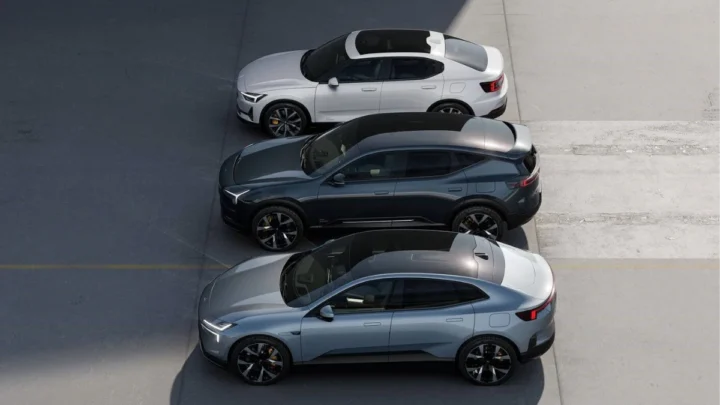
Like many newer EV companies, Polestar has been burning through a lot of cash to grow its operations. This has led to concerns about their cash flow and a build-up of debt. The company first aimed to break even by 2025. That goal was pushed back to 2027 and then paused entirely because of the ongoing uncertainty caused by tariffs.
Despite the risk of missing some debt payments, Polestar managed to work out new terms with its lenders. They even announced they had delivered 177 cars as security for a financing agreement.
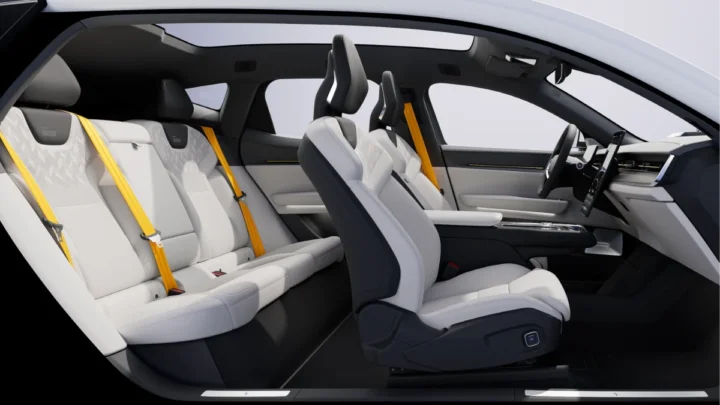
Polestar is largely owned by China’s Geely group, which is led by billionaire Li Shufu. In June, Li Shufu’s PSD Investment provided a $200 million equity investment to Polestar. However, the company is still actively looking for more funding, both through new debt and equity deals.
The Mixed Bag of EV Startups
The story of Polestar highlights a bigger trend in the EV startup world. Some companies, like Fisker, Lordstown, and Arrival, have already run out of cash and shut down. Others are still going strong, but only because they have powerful investors backing them.
VinFast, for example, aims to break even by 2026, thanks to strong support from its founder. Lucid has received roughly $8 billion from Saudi Arabia’s Public Investment Fund. In the US, Rivian got a crucial boost with a $5.8 billion investment from Volkswagen, which many saw as vital for its survival.
These examples show that in the current climate, simply having a good electric car isn’t enough. Securing significant financial backing is often the key to staying alive and competing in this fast-changing industry.