
Remember when car dashboards went all-in on touchscreens? They looked super slick and futuristic. But lately, drivers have been testing these digital designs on the road. It turns out some of these new ideas just aren’t working as well as planned. Mercedes-Benz just announced they’re bringing back physical buttons to their cars. This follows similar moves by Volkswagen and Honda.
Mercedes plans to mix physical controls back into its digital car interiors. Magnus Östberg, the company’s Head of Software, told Autocar that “data shows physical buttons are better.” This isn’t just a guess. New models like the GLC and CLA Shooting Brake EV will lead the way. They’ll feature a new steering wheel packed with buttons, paddles, and other controls.
This redesigned steering wheel will soon be standard across all Mercedes cars. The company also plans to add it to cars already for sale. The recently launched CLA saloon will get it first, starting later this year. Östberg explained this steering wheel swap is the simplest and cheapest way. It brings back physical controls without ditching Mercedes’ modern digital cabins.
What the Data Says
Magnus Östberg shared more thoughts at the Munich Motor Show. He pointed out the clear difference between certain models. The CLA sedan, for instance, relied heavily on a touchscreen with few physical buttons. But the new GLC? Mercedes brought back the buttons there. It’s a visual lesson in their changing approach.
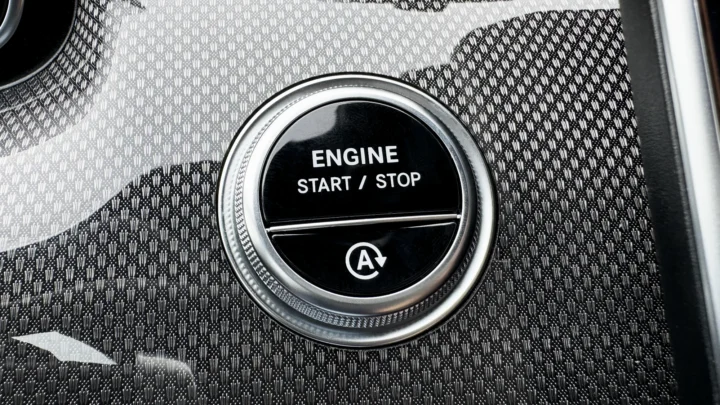
Mercedes discovered that physical buttons truly matter to certain groups of people and specific age ranges. The company aims for a good mix, balancing physical buttons with touch controls. This whole shift is thanks to solid data. Mercedes gathers information from its Software-Defined Vehicles (SDVs). This data showed them physical buttons are simply better. That’s why they put them back.
Interestingly, this data also revealed some global differences. European drivers, it turns out, really like having those tactile buttons. But in Asia, drivers tend to prefer touchscreens and voice commands. This shows how tech needs to adapt to different user habits.
Looking ahead, Östberg mentioned plans for future models. Mercedes might add even more physical controls in other parts of the cabin. This is especially true for SUVs. Bigger cars offer more room for design freedom. Plus, people buying SUVs often care more about having physical buttons.