
For the past 10 years, Sonia Grego has been thinking about toilets and, more specifically, what we put in them.
“We are focused on stool analysis”says the research professor at Duke University. “We believe there is an incredible and untapped opportunity for health data. And this information is not used because of the universal aversion to something that has to do with feces.
Greek is working on a bathroom that uses sensors and artificial intelligence to analyze waste; expects to have a first model ready for a pilot study within nine months.
“The bathroom we have at home has not functionally changed in its design since it was first introduced”, He says, “In the second half of the 19th century”.
Sure, there are now toilets with the ability to squirt water, make noise or keep our asses warm, but that’s nothing compared to what Grego imagines.“Every other aspect of his life – electricity, communication, even the doorbell – has improved his abilities.”
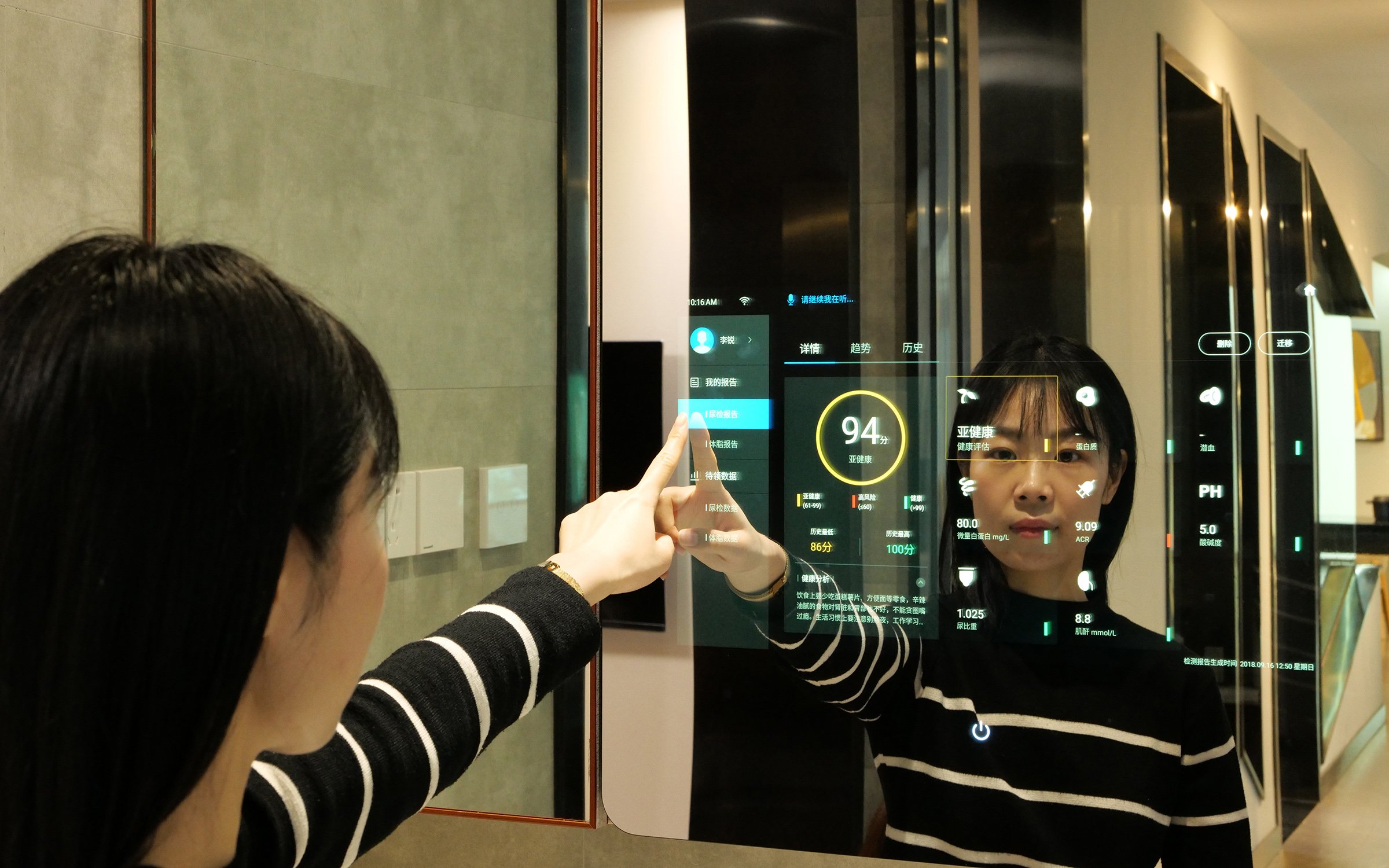
It’s time for the smart toilet and it’s a potentially huge market: in the developed world, everyone who can use the bathroom several times a day.
Greek adds that “It certainly imagines a world” where a toilet that does more than release excrement “It’s available to all homes.” There are numerous companies working to bring this to market.
The bathroom can become the ultimate health management tool. Grego believes his product – which analyzes and tracks stool samples and sends the data to an application – will provide “Information related to cancer and many chronic diseases”.
“Having a technology that tracks what’s normal for an individual can give advance notice that a checkup is needed”. For people with specific conditions, such as inflammatory bowel disease, the device can provide a useful follow-up for clinicians.
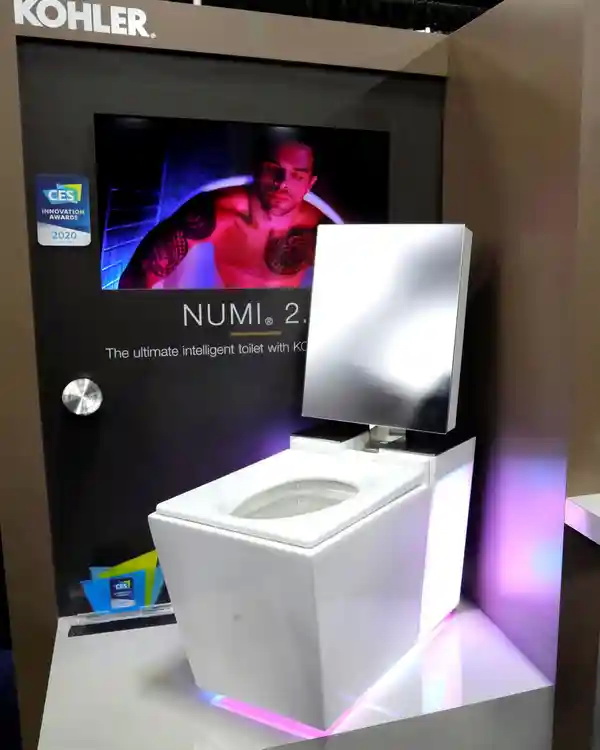
A smart bathroom could make lifestyle suggestionsIt can tell you to eat more fiber or certain nutrients, for example, or find out what kind of food triggered an uncomfortable gastric episode.
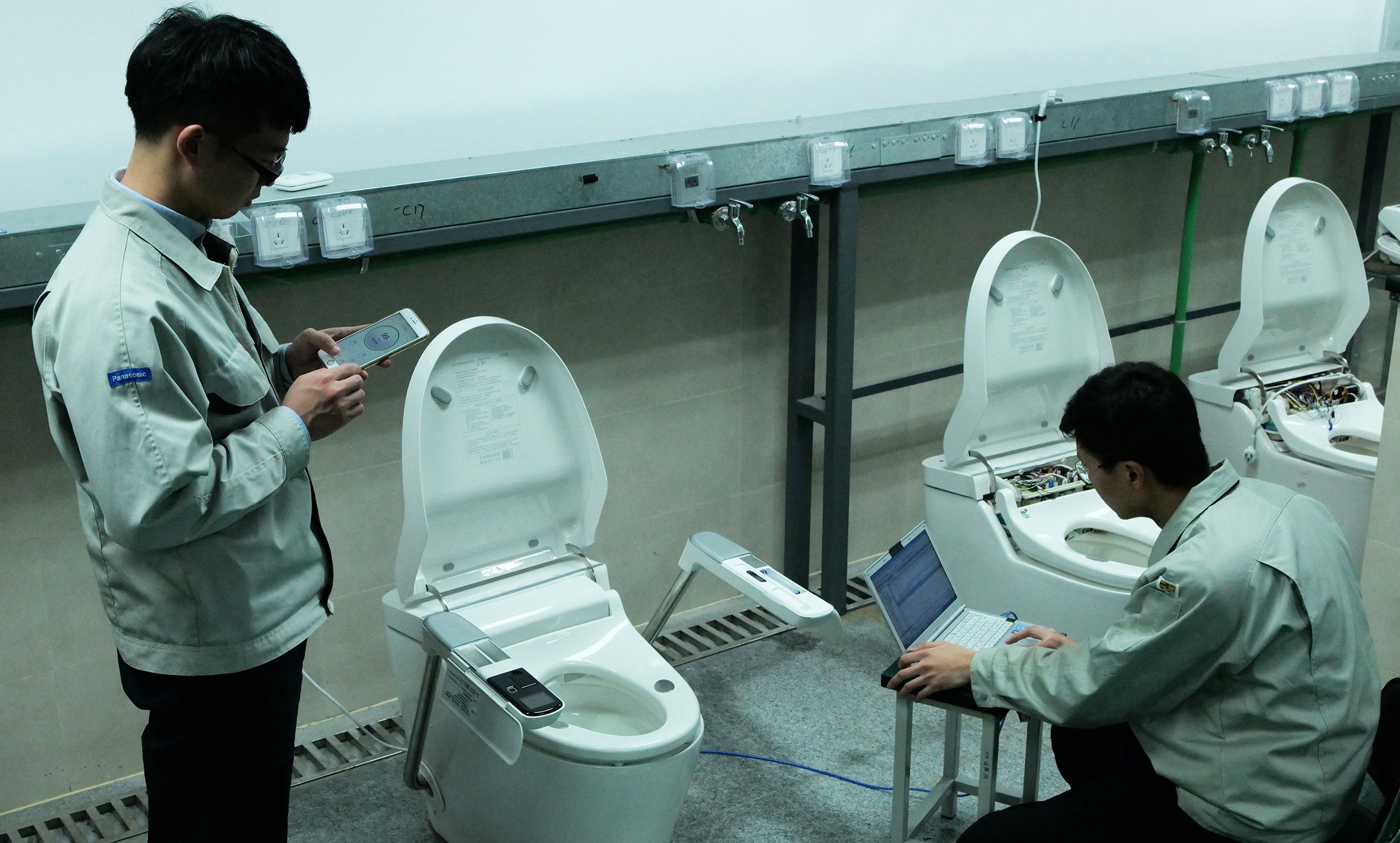
In 2018, Panasonic launched a smart toilet in China that analyzed urine and monitored body fat. This year, at CES 2021, Japanese manufacturer Toto announced its ‘wellness bathroom’ – a concept, but one it is working on (it had already developed a bathroom that analyzes urine flow).
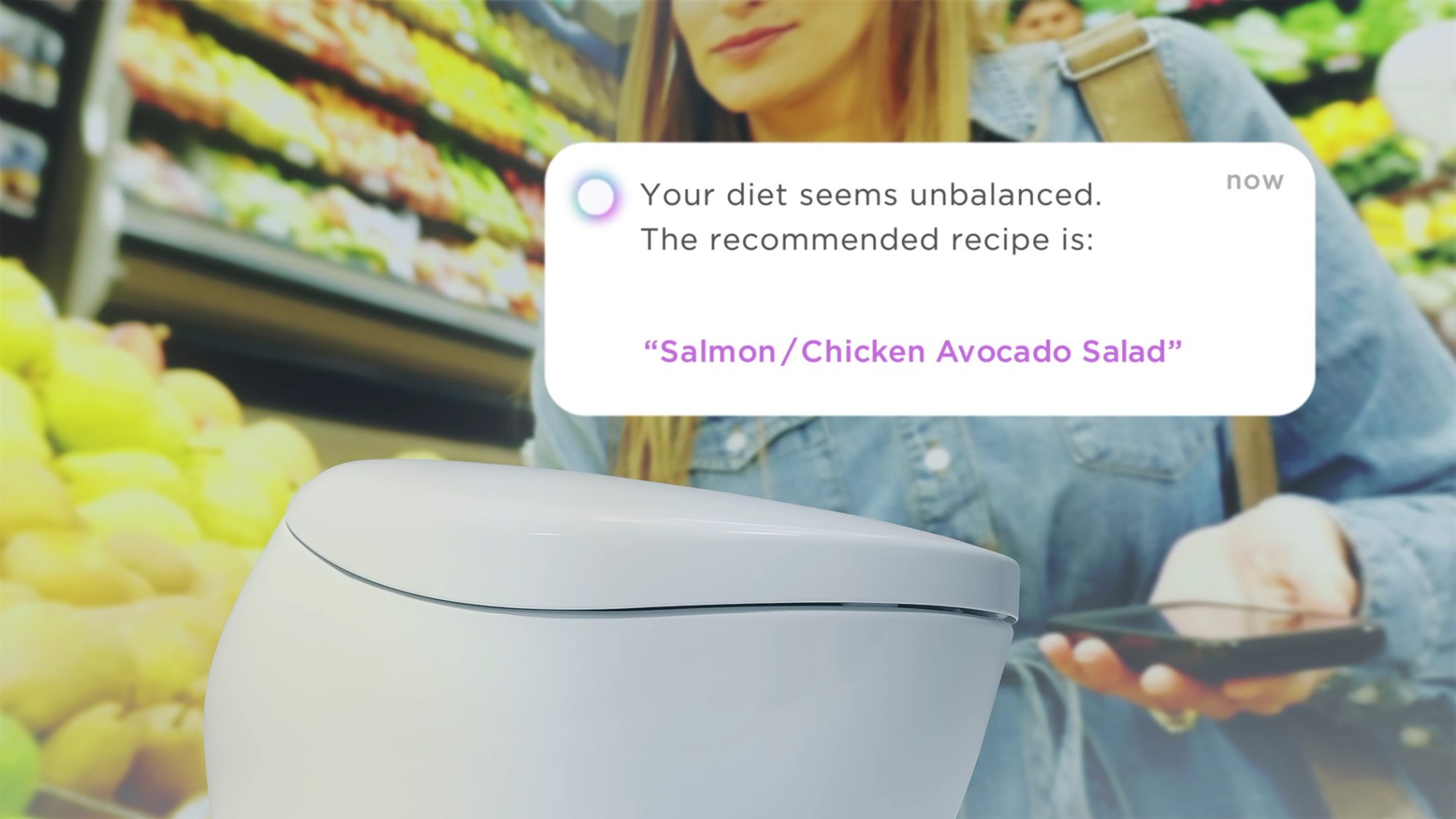
Its sensors – including one for odors – would target detect health problems and conditions such as stress, but also make lifestyle suggestions. In an image provided by the company, he imagined that the bathroom would send him a recipe for salmon and avocado salad.
Stanford School of Medicine researchers have been working on a technology that can analyze stool (including ‘time of stool fall’) and monitor the rate and color of urine as well as analyze it.
According to an article published in Wall Street Journal, the researchers teamed up with Izen, a Korean bathroom manufacturer, and hope to have prototypes by the end of the year.
To differentiate users, Izen has developed a scanner that can recognize the physical characteristics of those who sit in the bathroom Or, in the words of the researchers, “The distinctive features of your anoderm” (the skin of the anal canal). Apparently, your “anal print”, like your fingerprints, is unique.
Will the smart toilet become a normal bathroom accessory? This question is only applicable in the developed world. If we want to talk about inequality in toilets, 3.6 billion people – almost half of the world’s population – do not have access to safe sanitation, let alone a toilet that can monitor their quality of sleep and intake.
But those who work in smart restrooms are optimistic. “It’s about figuring out how to bring the technology we have in the lab to a bathroom on a scale that’s affordable and robust. That’s the challenge. It may be 10 or 30 years from now, but I think it will happen. “