
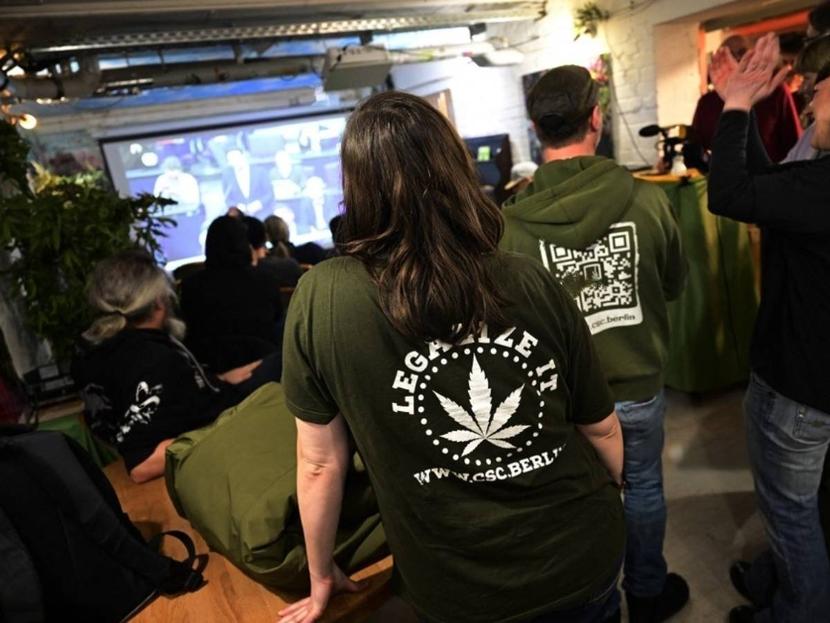
On Friday, the Bundestag finally approved a text on the legalization of recreational cannabis, an important law from the Olaf Scholz government that was met with numerous criticism. In a vote in the Bundestag, the law was approved with 407 yes votes and 226 no votes, thereby confirming legalization that will come into force on April 1st.
Despite the approval in the Bundestag, there are doubts about the implementation of the planned schedule. Although the law will be presented to the Federal Council at the end of March, it does not require approval. However, the states could convene a joint mediation committee with the Bundestag, which could lead to possible delays in implementing the plans.
The debate in the Bundestag was full of intensity, with loud boos and disagreements within the Scholz coalition. Even several members of the progressive SPD spoke out against the bill.
lThe new law will initially decriminalize possession of up to 25 grams of cannabis, or 50 grams per month for adults. Up to three plants can be grown at home; from summer onwards, joint cultivation in clubs is also permitted. Trafficking in cannabis to minors is punishable by a prison sentence of at least two years. Additionally, smoking marijuana is permitted in public places. without schools and daycare centers.
It will also make it easier for companies to grow cannabis for medical purposes in Germany.
Federal Health Minister Karl Lauterbach emphasized the goals of legalization in the debate: Combat the black market and ensure better protection for children and young people. He pointed to the need to educate young people under 25 about the consequences of cannabis use and emphasized that addiction researchers support this step, although he initially opposed legalization.
The opposition, led by the conservative CDU, expressed concerns about the impact of legalization on the German healthcare system and the safety of young people. They questioned Traffic Light’s preparation to address the medical and social impacts of cannabis legalization.
In the middle of the debate, Axel Müller from the CDU parliamentary group accused the government of clientelism, warned of the psychological risks of cannabis and expressed doubts about the effectiveness of legalization in the fight against the black market.
Green politician Kirsten Kappert-Gonther welcomed the passage of the law as a milestone in sensible drug policy. He emphasized that legalization will facilitate access to medical cannabis in the country and enable significant progress in the local production of cannabis for medical purposes.
dmr