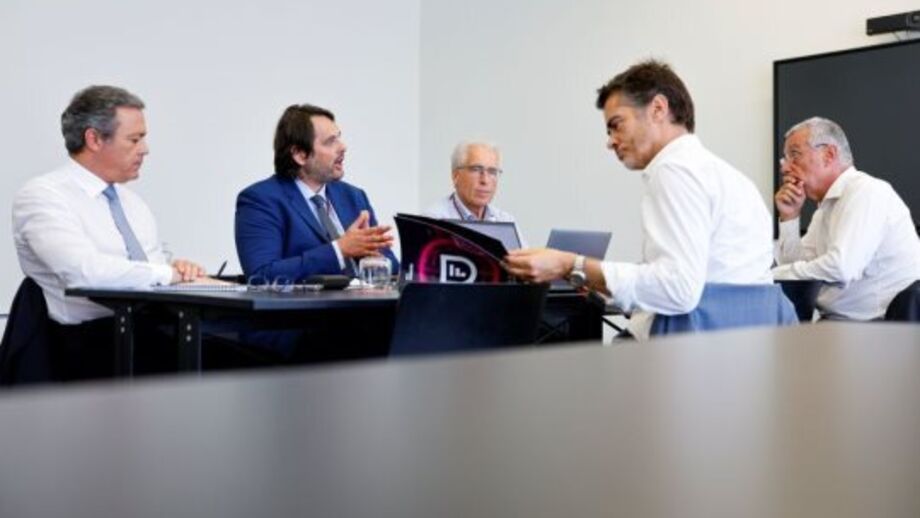
Football often grabs headlines for the dazzling plays on the field, the roar of the crowd, or the nail-biting finishes. But away from the spotlight, a different kind of game is being played. It’s a strategic match focused on making the sport stronger, safer, and more sustainable for years to come. This week, a key play in this long-term strategy began when the Portuguese Football Federation (FPF) kicked off a new effort.
Its Non-Permanent Commission for Football Financing and Economic Control met for the very first time. The gathering took place in Oeiras, at the City of Football. Joaquim Sousa Marques led the session. This group is part of a bigger plan to shape the future of the sport.
“We need to understand what’s happening right now,” explained Sousa Marques, who heads this advisory body. “Then, we can suggest ways to improve important things that keep football healthy.” He shared these thoughts in comments reported by the FPF. The main goal for this commission is big: By January 2026, at the Football Congress, they plan to show a full “X-ray” of the sport’s financial health. They will also present new steps to take.
Besides Joaquim Sousa Marques, the commission’s first meeting brought together other important figures. Vasco Pinho, an executive director, and Manuel Nunes, who coordinates the federation’s commissions, were there. Vítor Calado and Frederico Fernandes also joined the discussion.
Sousa Marques added that the idea is to get many different voices involved. “We want to bring together people from all parts of football,” he said. “Each group has its own reality. We need a full, 360-degree view of everything. This way, we can suggest the best steps to improve and keep winning in sports.”
The commission plans to meet again at the end of July. As they work, they will invite experts to share their knowledge. This open-door approach is something all new FPF commissions will do. These commissions are a big part of a new way the FPF is running things.
“These commissions will talk about the most important topics for our national football,” Joaquim Sousa Marques stated. “They will help us get better, go further, become stronger, and keep up the success Portuguese football has enjoyed.”
A New Playbook for Football Governance
The FPF recently started 19 new commissions. Six of these are permanent, and 13 are non-permanent. Together, they include 65 members and 100 experts. These people represent everyone involved with the federation. Their job is to help decide the future of national football. This new way of governing started when Pedro Proença became the president of the organization.
The permanent discussion groups are led by:
- Pedro Xavier (training for sports agents)
- José Carlos Oliveira (rules and regulations)
- Domingos Paciência (youth and non-professional football)
- Sofia Teles (women’s football)
- José Fontelas Gomes (futsal and beach football)
- Daniel Carriço (fair play)
The non-permanent commissions are headed by:
- Duarte Gomes (refereeing)
- Pedro Matias (infrastructure and safety)
- José Neves (district and regional associations)
- Pedro Mil-Homens (certification process development)
- Joaquim Ribeiro (professional football)
- José Pereira (coaches)
- Nuno Gomes (club competitions)
- Diamantino Gonçalves (directors)
- Joaquim Sousa Marques (financing and economic control)
- Artur Fernandes (agents)
- Hélder Postiga (players)
- Humberto Coelho (national teams)
- João Pedro Mendonça (health)