
It’s troubling how easily rumors and fake news spread today. This is especially true when big events happen. Recently, false information exploded across the internet. This happened after an activist was shot and killed at a university event in Utah.
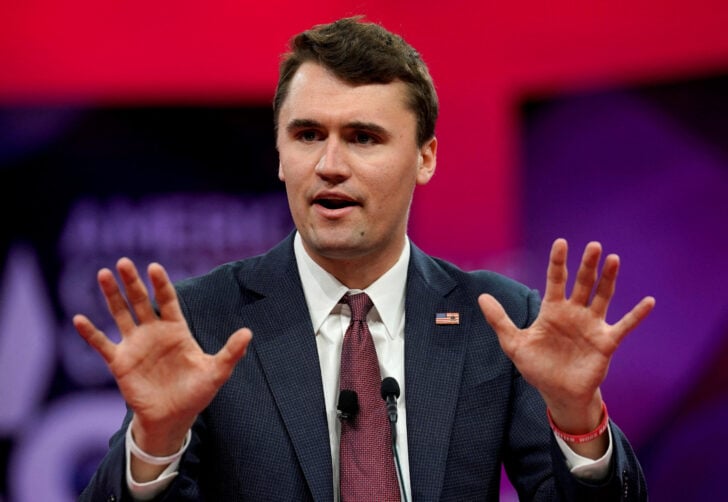
Police were still looking for the shooter. Yet, many baseless rumors and facts quickly filled social media. People shared wrong ideas about who the suspect was. They also made up details about the shooting itself. Some users even spread fake headlines. They used AI chatbots to make the confusion worse and reach more people.
Mistaken Identities and Fabricated Tales
Several videos shared online wrongly pointed fingers at people. Some of these clips were old. They showed arrests from completely different cases. Other videos used pictures of innocent people. These individuals lived in other states and had nothing to do with the incident. One woman’s photo was wrongly used to suggest the shooter was transgender. She had to speak up. She confirmed her picture was used without her permission. She also stated she was not even at the university that day.
Fake news stories also popped up. One headline claimed CNN once reported the activist said, “If I get shot, that’s cool.” CNN quickly clarified. They confirmed they never published such a story. It was completely made up.
People also used screenshots of fake New York Times headlines. These appeared in Google search results. They suggested the media knew about the shooting ahead of time. This made many think news outlets might have been involved. The fake headlines seemed to appear hours before the event. But fact-checks showed this was untrue. It was simply a time error in the search system, leading to the misunderstanding.
AI Chatbots Add to the Confusion
Adding to the problem, AI chatbots like Perplexity and Grok gave wrong information. When asked about the event, they said it was a “hypothetical situation.” They even claimed the person who died was “still alive.” This was completely false. Some chatbots also incorrectly called real statements fake. These statements came from the White House and student groups. They also wrongly confirmed rumors of suspect arrests. Of course, these were also not true.
These incidents show a clear danger. In our fast-moving information age, social media platforms and even AI tech can spread twisted facts. They can create widespread confusion very easily.
We are both users of AI and consumers of media. We must think carefully about what we see and read. There are simple ways to spot fake news. These checks can help us avoid believing wrong information.
Spotting Fake News
- Headline: Fake news often uses headlines that are overly dramatic. They might have big letters and too many exclamation marks.
- Website Address (URL): Look closely at the URL. Fake news sites often use addresses that look like real news sites. But they have small spelling mistakes.
- Source: Check if the news comes from a reliable news organization. If you don’t know the organization, check their “About Us” page for more details.
- Spelling and Layout: Fake news websites often have many spelling errors. Their page layout might also look messy.
- Images and Videos: Pictures or videos in fake news are often edited. Or they are real images that have nothing to do with the story.
- Date: Check the date and the order of events. Do they make sense? Sometimes fake news uses old events and changes the date.
- Evidence: See if the news story has real sources or quotes from experts you can trust. If there aren’t any, or you can’t check them, the news might be fake.
- Other Reports: Try searching for the same story from different places. If no other reliable news outlets are reporting it, it’s probably fake.
- Satire: Sometimes fake news looks like a joke or satire. Make sure the website or page is not known for making fun of news.