
Drivers, get ready for a significant shift at the pump. Starting in 2027, the price of fuel across Europe is set to climb. We’re talking at least 11 cents more for every liter of gasoline or diesel. This isn’t just a small bump; experts suggest the cost could go even higher in the years to come.
The European Union is rolling out a new tax. Its goal is to discourage burning fuel. This will directly affect what you pay for your daily commute. It will also hit the trucking companies that move goods. Expect to feel it in your wallet whether you’re filling up your family car or operating a delivery fleet.
Fueling Change: The ETS2 System Arrives
This isn’t a sudden announcement. The European Emissions Trading System, known as ETS2, was actually part of a larger plan approved back in 2018. Come 2027, the ETS2 rules will expand. They will add a new tax to fuels that create CO2 emissions.
Currently, some areas are exempt. But this new charge will cover fuel used in homes. It will also extend to all transportation, both private cars and commercial vehicles. These sectors were previously not included in this kind of emissions tax.
What Will This Cost? It’s a Moving Target
When 2027 rolls around, fuel suppliers will carry the burden first. They will need to buy emission permits for the carbon dioxide their products release. For every ton of CO2 produced by that fuel, a fee must be paid to the European Union.
The big question is exactly how much extra this will cost. The emission permits will be bought at auction. This means the price will naturally go up and down. The most hopeful guesses put the cost at 48 euros per ton of CO2. However, other predictions, like those from Bloomberg NEF, see that figure soaring to 122 euros by 2030. The uncertainty means everyone is holding their breath.
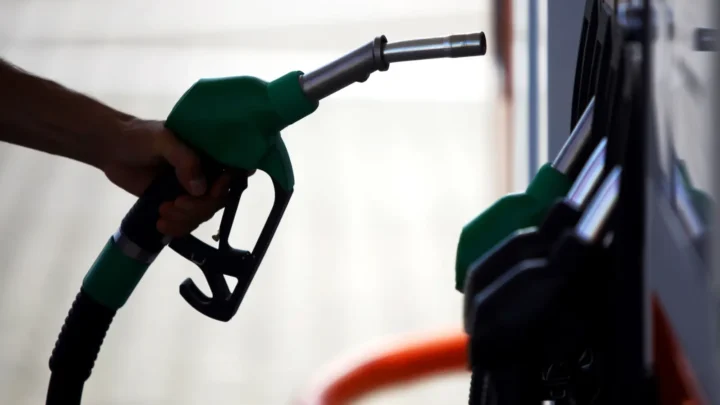
Your Wallet: The Direct Hit
So, when you next visit the gas station, prices will be higher. The question is, by how much? The European Commission estimates an increase of 0.11 euros per liter for gasoline. Diesel might see a rise of 0.13 euros per liter. This is based on the 48 euros/ton of CO2 price. For a typical 50-liter tank, this means an extra five to six euros.
But some sources predict larger increases. They suggest fuel could go up by 0.15 to 0.25 euros per liter. Transport groups even forecast jumps of up to 45 cents per liter. Such a hike would impact the cost of goods and daily living for everyone.
Safety Nets: Helping Cushion the Blow
The EU isn’t blind to these potential impacts. To soften the changes, the system includes a Market Stability Reserve. This allows the EU to release more emission permits if prices get too high. It’s a way to try and control the market.
There’s also a new Social Climate Fund (SCF). It holds at least 86.7 billion euros, running from 2026 to 2032. This money is meant to help families who are most vulnerable. It also aims to support small businesses. Despite these efforts, some countries foresee substantial annual costs. For instance, Belgium estimates that an average household could pay an extra 250 to 400 euros each year. The true impact on different national markets remains to be seen.