
A heartbreaking sight unfolded recently in the waters off Washington state. An orca mother, identified as J36, was seen carrying her lifeless newborn calf. This particular scene, filled with raw grief, played out in the Salish Sea. The tiny calf still had its umbilical cord attached, a stark sign of its very brief life. It looked as if the mother whale was trying to stir her baby back to life.
Researchers confirmed the sad truth. Experts from the Center for Whale Research, Sea Doc Society, and San Diego Zoo Wildlife Alliance stated the female calf was dead. They believe it was no older than three days when it passed away, just before being spotted last Friday.
While baby whale deaths are not uncommon, this loss weighs heavily on the Southern Resident Orca population. These whales live in the waters between Washington and Canada. Their numbers are shockingly low and continue to drop. Only 73 of these magnificent creatures are left in the wild today.
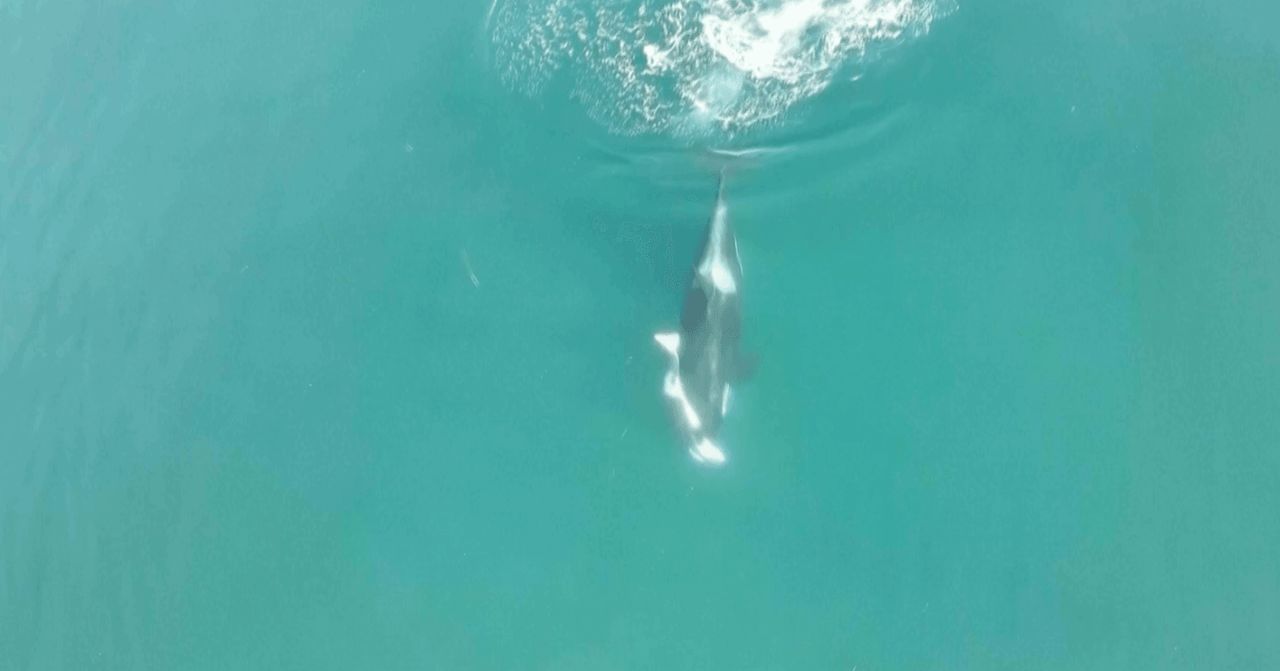
Several big problems make life hard for these specific killer whales. One major issue is the lack of Chinook salmon, their main food source. Ocean pollution also harms them, poisoning their habitat. Noisy boats disturb their hunts, making it even harder for them to find food. All these factors severely reduce their chances of survival.
This recent event echoes a similar, globally publicized tragedy from 2018. Another female orca from the same group, Tahlequah (J35), captured hearts worldwide. She carried her deceased calf for an incredible 17 days. That mournful journey spanned over 1,600 kilometers, showing a mother’s profound bond and loss.
Conservationists are sending out a strong warning. They say that if things do not improve, the Southern Resident Orcas could disappear faster than anyone expects.
Source: AP