
Recently, Western Digital and Kioxia publicly announced that their 6.5E flash memory chips were contaminated.
This means that new Apple products launching this spring could be affected, as these two companies are part of the Cupertino company’s supply chain.
Contamination of flash memory chips will have occurred at production facilities.
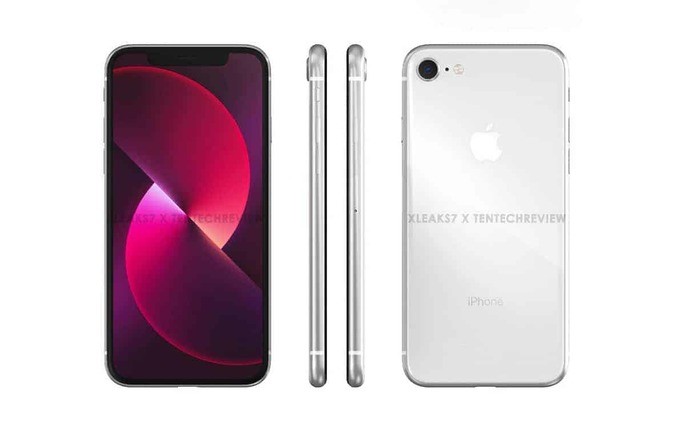
It was during this week that Western Digital and Kioxia announced that their 6.5E flash memory chips, at some point in their manufacturing process, were contaminated. The situation will have occurred in the manufacturing facilities shared by both companies, but the exact cause of the problem is still unknown.
Immediately, several market analysts anticipated that the products to be launched at Apple’s spring conference could be affected, in terms of price, since both companies are part of the list of suppliers of the Cupertino company.
Both Western Digital and Kioxia guaranteed, in the same public announcement, that not only will they be able to continue supplying the components, but that this situation will not result in increased prices.
Now we will have to wait to confirm that neither in the spring nor later, the price of these specific components rises, later being reflected in the final cost of Apple products.
Together, Western Digital and Kioxia account for around 30% of the NAND flash memory market. And many Apple products, such as the iPhone 13, iPad Pro and MacBook Pro, integrate this type of chip.
Apple devices unveiled at the spring conference may reach users later
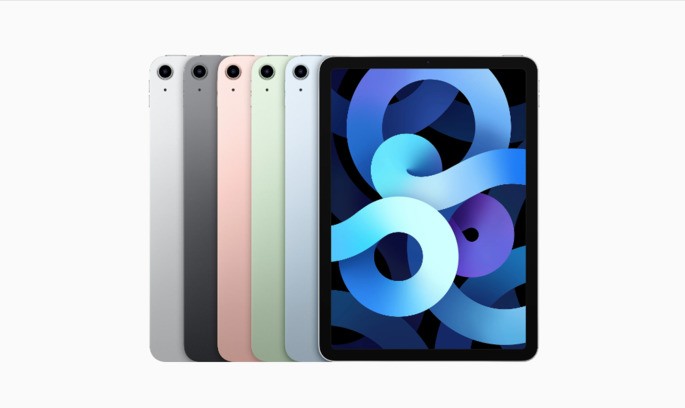
The case becomes even more relevant if we take into account that the new products that the Cupertino company intends to launch now, in early spring, are also equipped with NAND chips. Of course, the situation that occurred could inflate the cost of the iPhone SE 3 and the iPad Air 5, at least. But Apple’s suppliers assure you that they don’t.
For its part, Apple has not yet made any official comment on this matter. But it’s also unlikely that he ever will. What could happen is that the Cupertino company is forced to adjust its plans.
In other words, Apple can announce the devices at the spring conference, scheduled for March 8, and only make the products available later on store shelves. But this strategy is not new to the market either, as the global component shortage crisis has led many brands to opt for this solution.