
The booming Chinese car market seems like a runaway success story, with vehicles flooding global showrooms. But a closer look at these impressive sales figures suggests some of that growth might be more smoke and mirrors than true expansion. It turns out a few major players have been using clever tricks to make their sales charts look a lot better than they actually are.
The “Zero-Kilometer” Loophole
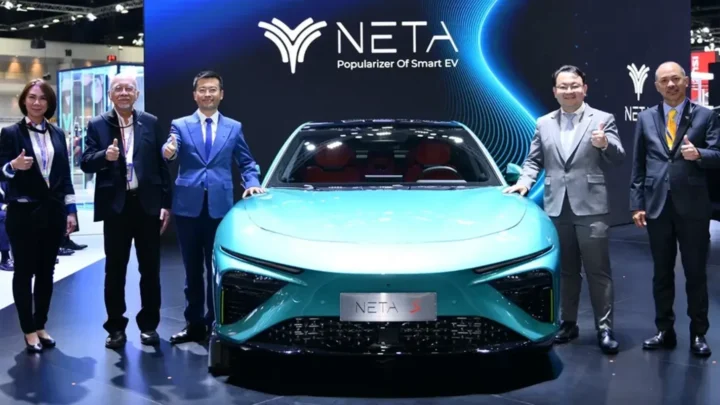
A new report from Reuters shines a light on how Chinese brands Neta and Zeekr reportedly boosted their sales numbers. They did this to hit ambitious sales targets. Companies were insuring cars before they even sold them to real customers. In China, vehicle registration practices allowed these companies to count these insured cars as sales, letting them meet their monthly and quarterly goals. It’s a highly questionable way to do business.
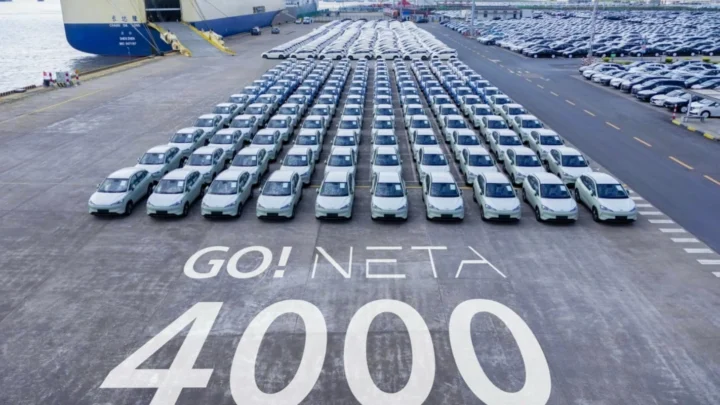
Neta, a car brand, used this method for at least 64,719 vehicles. This happened between January 2023 and March 2024. That number is more than half of the 117,000 cars Neta claimed to sell during that time. Some reports suggest this practice may have started as early as 2022. The goal was to secure government subsidies for electric vehicles. Zeekr, part of the Geely group, also did something similar. This happened late in 2024 in Xiamen, China. Their main dealer, the state-owned Xiamen C&D Automobile store, was involved.
These cars, which are registered as sold before they reach customers, have a special name in the Chinese auto world. They are called "zero-kilometer used vehicles." This sneaky practice shows just how tough the competition is in the world’s biggest car market. To try and stop this, China’s Ministry of Industry and Information Technology (MIIT) is considering a new rule. They might ban the resale of vehicles within six months of their first registration. This news comes from Auto Review, a publication connected to the Chinese Association of Automobile Manufacturers.
How the Story Broke and What Customers Said
So, how did this strange situation come to light? Chinese state media recently reported that Zeekr was selling cars that already had insurance. This was exactly what they were doing to inflate sales figures. News outlets interviewed car buyers in cities like Guangzhou and Chongqing. These buyers found out their "new" cars were already insured before they even took delivery. They reported being denied any refunds, even though they felt cheated.
Three Neta customers told Reuters they were never told about this policy. They only found out when their car insurance policies were about to expire. The China Securities Journal noted something fishy. Zeekr’s sales in Shenzhen and Xiamen looked abnormally high in December. In one of those cities, sales registered via insurance hit 2,737 vehicles in a single month. That number is 14 times the usual average. Similar strange patterns were also found with Neta in other cities.
The Companies Respond, or Don’t
Zhejiang Hozon New Energy Automobile, which owns Neta, and Xiamen C&D, the dealer, did not comment on the matter. A spokesperson for Geely, Zeekr’s parent company, dismissed the China Securities Journal report. However, they refused to comment on Reuters’ findings or offer more details.
Zeekr released a statement on the social media site Weibo. They claimed the cars in question were just for display in showrooms. They said mandatory insurance was a safety measure for these display cars. Zeekr also said that when sold, the cars were legally new. Still, the company did not clarify if these vehicles were actually counted as sales to the public. They did say they have put together a special team to look into the situation.
The big takeaway here? China might simply have too many car manufacturers. This fierce market competition seems to be pushing some brands into very questionable practices. It might be time to reduce the number of players. This could help restore trust in the whole sector.