
Some materials seem to have a life of their own, almost like magic. Take zeolites, for example. Many call them "magic rocks." But there’s no wizardry involved, just some really clever science. Zeolites are special crystals made from aluminum, silicon, and oxygen. Their most amazing feature? They have a network of super tiny channels and pockets, smaller than a millionth of a millimeter. This unique structure makes them incredibly useful, especially for cleaning up pollution.
Because they are so helpful, scientists study zeolites a lot. Just recently, one expert has been recognized globally for his work. Miguel Camblor, a researcher from the Asturian region, has been chosen to join the International Zeolite Association’s Structures Commission. This group includes only 15 experts from around the world. To join, you have to be nominated by someone already on the commission. It’s a huge honor, showing he’s one of the top zeolite minds anywhere.
"It’s a great honor to have been chosen as a new member of this important Commission for the zeolite community," Camblor shared. He grew up in the La Maruca neighborhood and now travels all over the world, sharing his discoveries as a leading zeolite expert. His work helps us understand these materials better.
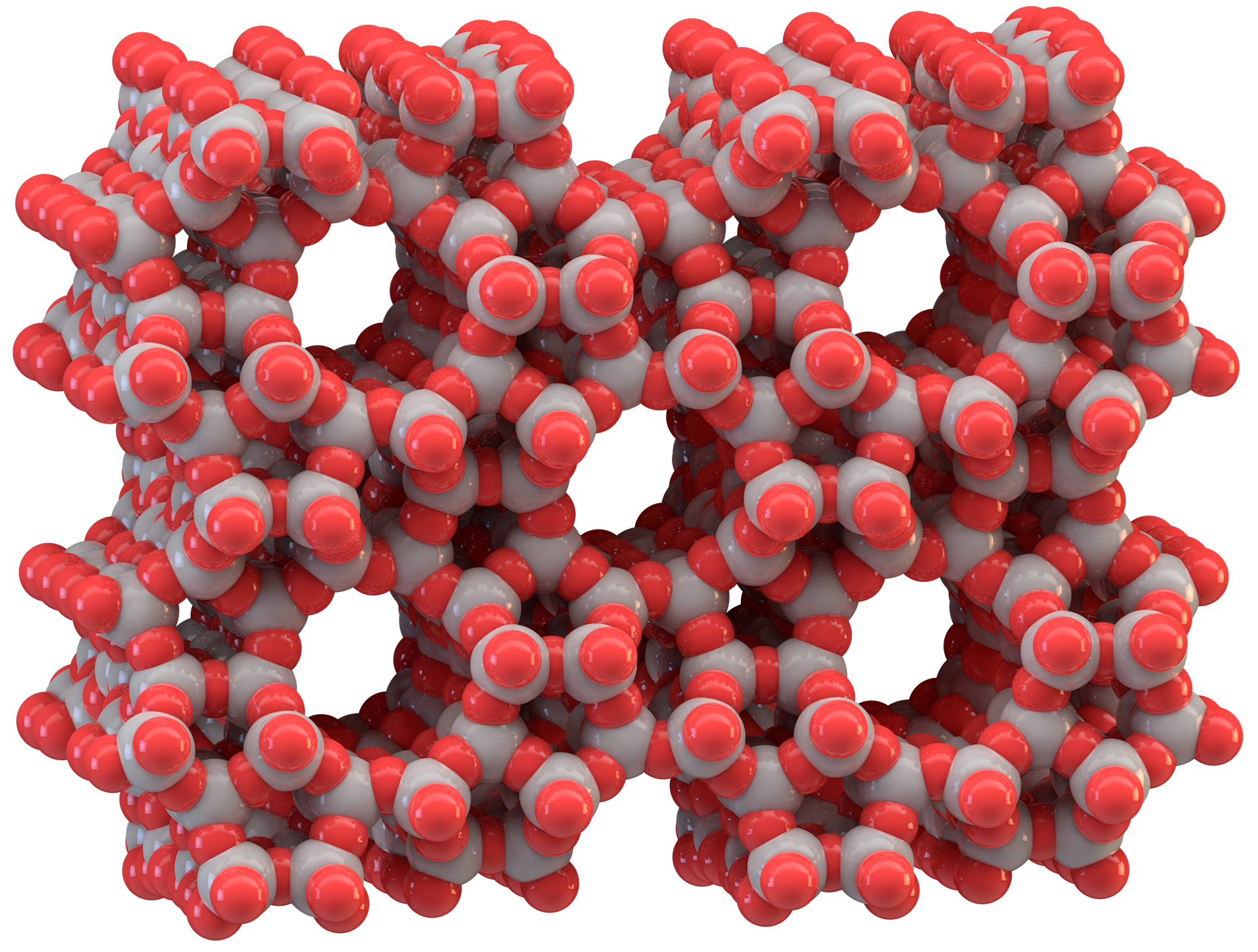
One big goal for Camblor and other zeolite researchers is to design zeolites with extra-large cavities. Think of it like making a bigger sieve to catch bigger pollutants. But these new designs also need to be very stable. They must work reliably for today’s industries.
In 2024, Camblor led an international study at the Institute of Materials Science of Madrid (ICMM-CSIC). His team managed to create the world’s most porous zeolite. This groundbreaking work was published in the famous journal Nature. It opened new doors for cleaning water and gas. He showed it’s possible to make materials that are both more porous and stable. Besides his new chemical formulas, Camblor also developed the first stable zeolites with extra-large, three-dimensional pores. And in 2025, he helped create a faster method to make stable zeolites using microelectronic diffraction.
Miguel Camblor has spent his whole career focused on zeolites and other porous materials. He looks at how they’re made and what affects their crystal structure. He also searches for new zeolite structures and compositions. His long career has taken him to various research centers under Spain’s Higher Council for Scientific Research (CSIC). He has also worked in the United States and for a private company.
Beyond the lab, Camblor has been involved in 24 competitive projects and five contracts with companies. At the ICMM, he’s been a co-leader on several scientific services. He’s also active within the center itself, serving on the Equality Commission and doing outreach for the public. His research leadership helped the ICMM secure the prestigious Severo Ochoa excellence seal in 2025.