
A dark cloud seems to hang over the Gatti name. Just recently, Arturo Gatti Jr., only 17, was found dead in Mexico. Officials are looking into the cause of death as a suicide. But the details feel unsettlingly familiar, bringing back the unsolved puzzle of his famous father’s passing.
His father, Arturo “Thunder” Gatti, was a boxing legend. His life was full of drama, from his birth to his sudden, tragic end. Born in Cassino, Italy, on April 15, 1972, his family moved to Montreal, Canada, when he was just five years old. Growing up in a busy immigrant neighborhood, boxing became his calling. His older brother, Joe, first showed him the ropes. By 1991, at 19, he chose to turn professional, setting aside any Olympic dreams.
Gatti started his professional boxing journey with a bang. His debut in Secaucus, New Jersey, saw him knock out José Gonzales in the third round. He always fought with an aggressive, never-give-up style. This fiery approach led him to win world titles in two weight classes. He held the IBF Super Featherweight championship from 1995 to 1998. Later, he became the WBC Light Welterweight champion from 2004 to 2005.
His fearless fighting style made Gatti a true icon of the sport. Every single match he entered felt like a grueling war, often pushing the limits of human endurance. ‘The Ring’ magazine recognized several of his fights as “Fight of the Year.” These included his 1997 bout against Gabriel Ruelas and his 1998 clash with Ivan Robinson. His two fights with Micky Ward in 2002 and 2003 also earned top honors. Their three-fight series, known as the “Irish” Micky Ward trilogy, is now legendary for its raw power and sheer heroism.
One of Gatti’s most famous fights was against Oscar De La Hoya. This major event took place on March 24, 2001, in Las Vegas. Gatti lost that night by technical knockout in the fifth round. However, the fight still showcased his incredible bravery on boxing’s grandest stages. Despite that high-profile defeat, Gatti bounced back. He remained a top-tier boxer, even though his later years saw some tough losses and difficult moments inside the ring.
He officially retired from boxing in July 2007. His final record showed 40 wins, with 31 of those by knockout, and 9 losses. After hanging up his gloves, he moved back to live in Montreal. But the public spotlight never truly left him, even in retirement.
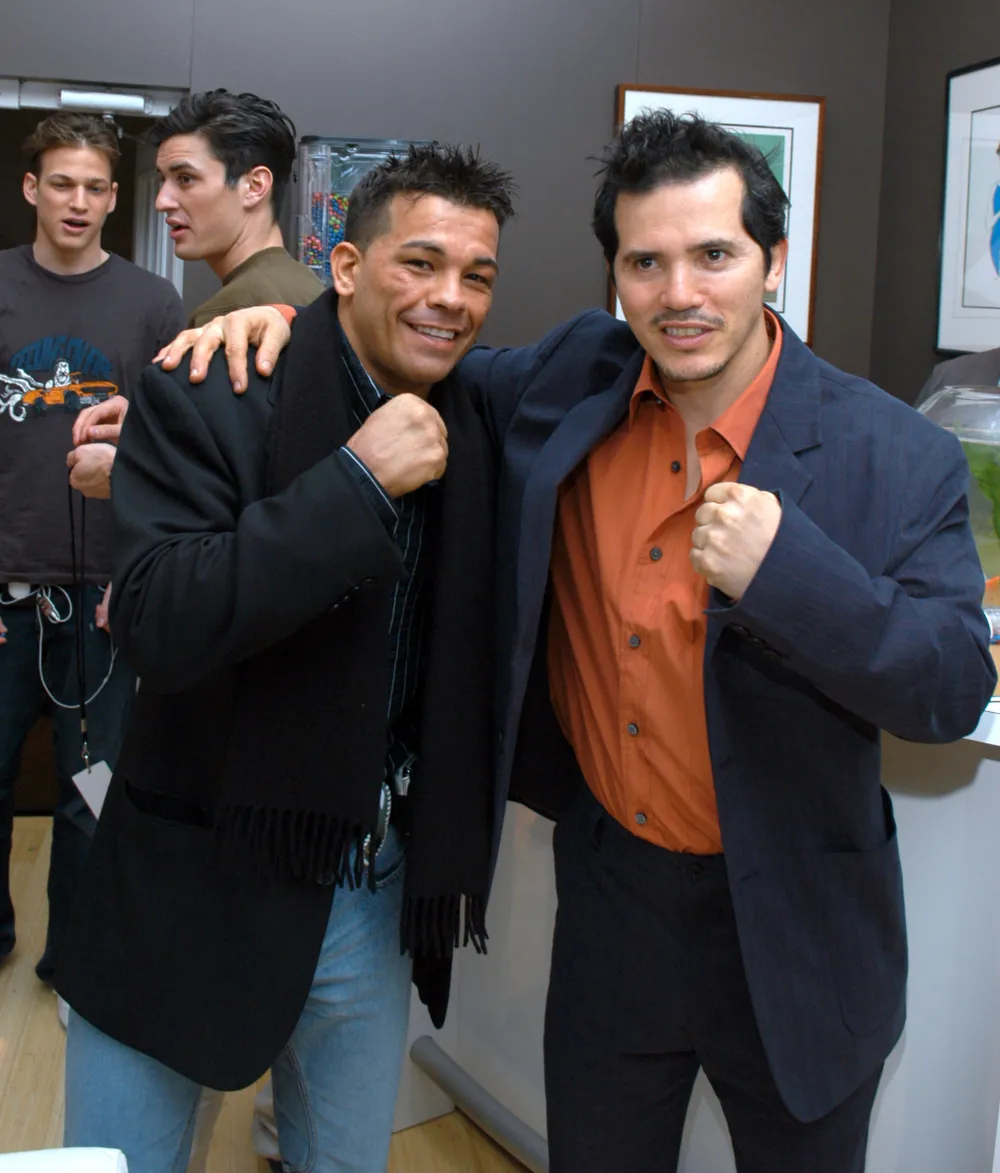
Then came the shocking news. On the night of July 11, 2009, Gatti was found dead in a hotel room in Ipojuca, Brazil. He had been on vacation with his wife, Amanda Rodrigues, and their baby, who was just 10 months old. His wife was first arrested on suspicion of murder. However, a Brazilian autopsy report later stated that his death was a suicide. She was then released.
But many people found this explanation hard to believe. Investigations in Canada and the United States soon raised serious questions. They pointed out bruises and injuries that the Brazilian report did not explain. These reports also felt that the possibility of someone else being involved was not properly looked into. Later, new documents came to light, suggesting Gatti had dealt with depression and suicidal thoughts in his past.
Gatti’s death saddened fans around the world. It sparked many theories about a possible murder cover-up or mistakes in the forensic investigation. His legacy deserved real answers that never fully came. In 2013, Gatti was honored with a spot in the International Boxing Hall of Fame. He was eligible in his first year, a true testament to his lasting impact on the sport.
Now, years later, the Gatti name is again linked to a tragic mystery. In October 2025, his son, Arturo Gatti Jr., was found dead at 17 in Mexico. The circumstances sadly echo his father’s death, sending chills through those who remember. While his passing is currently being investigated as a suicide, many observers can’t help but see disturbing links to his father’s own unsolved fate.
Arturo Gatti was much more than just a boxer. He was an emotional warrior, a powerful symbol of courage in the ring. He continues to live on through his legend. His bravery keeps his story alive, as does the enduring mystery that still surrounds his death. It’s a puzzle that, even today, has not found a clear, widely accepted conclusion.