
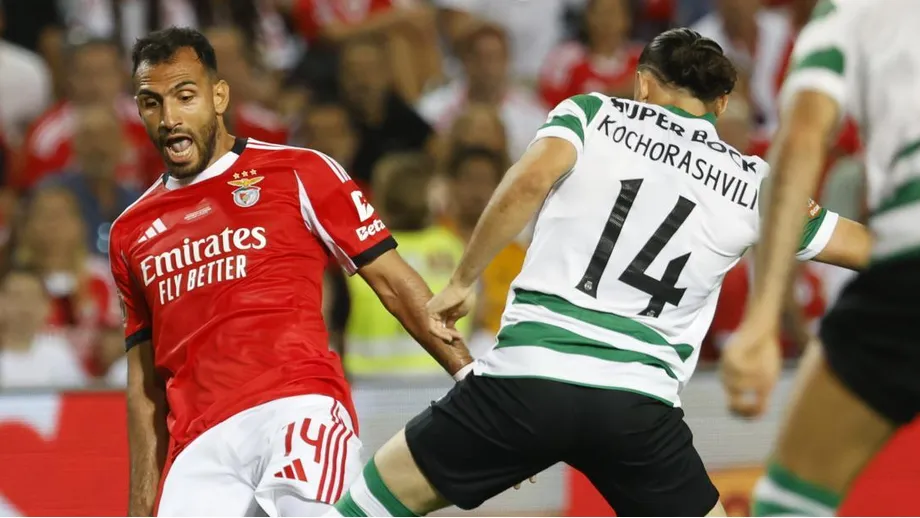
Imagine a Champions League season playing out a bit differently this year. For Portuguese giants Benfica and Sporting, a new format could have truly changed their European journey. Their paths, already distinct, would have diverged even further under a proposed competition overhaul. It makes you wonder how the drama might have unfolded.
Behind the scenes, the chatter has been loud. UEFA has been reviewing a big proposal from A22, the group pushing the European Super League concept. The goal is simple: make the Champions League even more thrilling. This new plan looks at how the competition is run, who gets the TV rights, and even its very structure. While the format changes aren’t massive, officials believe they are enough to bring more excitement and balance to the group stage.
So, what exactly would these changes mean? The proposal wants to split the 36 qualifying clubs into two groups. Teams would still earn their spots through their national leagues, just like always. Group 1 would feature the top 18 teams based on UEFA rankings. The remaining teams, from 19th to 36th, would make up Group 2. Each team in this first stage would play eight matches.
Benfica, at the time of the Champions League draw, sat in 10th place in the UEFA rankings. This spot would have placed them squarely in Group 1. Their path would have been a gauntlet of European heavyweights. They would have faced eight opponents drawn from a pool that included Real Madrid, Manchester City, Bayern Munich, Liverpool, PSG, Inter, Chelsea, Borussia Dortmund, Barcelona, Arsenal, Bayer Leverkusen, Atlético Madrid, Atalanta, Villarreal, Juventus, PSV, and Napoli. That’s a challenging lineup for any side.
Sporting’s journey, however, would have looked quite different. Holding the 24th position in the rankings, they would have landed in Group 2. Their list of potential opponents included teams like Eintracht Frankfurt, Club Brugge, Tottenham, Ajax, Olympiacos, Slavia Prague, Bodo/Glimt, Marseille, Copenhagen, Monaco, Galatasaray, Kairat Almaty, Saint-Gilloise, Pafos, Athletic Bilbao, Newcastle, and Qarabag. While still competitive, it’s a noticeably different caliber of opposition compared to Group 1.
After this initial phase, the top eight teams from Group 1 would automatically move on to the round of sixteen. But for the others, things get interesting. Another 16 teams, drawn from both groups, would then battle it out in a playoff round. For example, the 9th-placed team from Group 1 would play against the lowest-scoring team from Group 2. The big idea here is to create a more even playing field. It aims for more high-quality matches early on and gives less-fancied teams a better shot at advancing deeper into the tournament.