
Sixty years ago, on December 9, 1965, almost half of the country’s televisions tuned into A Charlie Brown Christmas. The half-hour animated special brought the beloved Peanuts gang to life, accompanied by its now-iconic jazz soundtrack. It chronicled Charlie Brown’s struggle with holiday melancholy, a feeling many viewers could relate to. He famously declared, "Instead of feeling happy, I feel a little disappointed." However, his discovery of an endearingly scruffy Christmas tree ultimately illuminated the true meaning of the season, cementing the program as an enduring holiday classic. Benjamin L. Clark, curator of the Charles M. Schulz Museum, aptly describes it as "a Christmas miracle in itself."

The creation of this groundbreaking special was a collaborative effort by producer Lee Mendelson, Peanuts creator Charles M. Schulz, and animator Bill Melendez. This team, which had previously worked on an unreleased documentary titled ‘A Boy Named Charlie Brown,’ was commissioned by advertising agency McCann Erickson and Coca-Cola to produce a family-friendly Christmas special. Despite facing a tight deadline of less than six months and exceeding their modest budget of $76,000 by an additional $20,000, they delivered a timeless piece of animation.
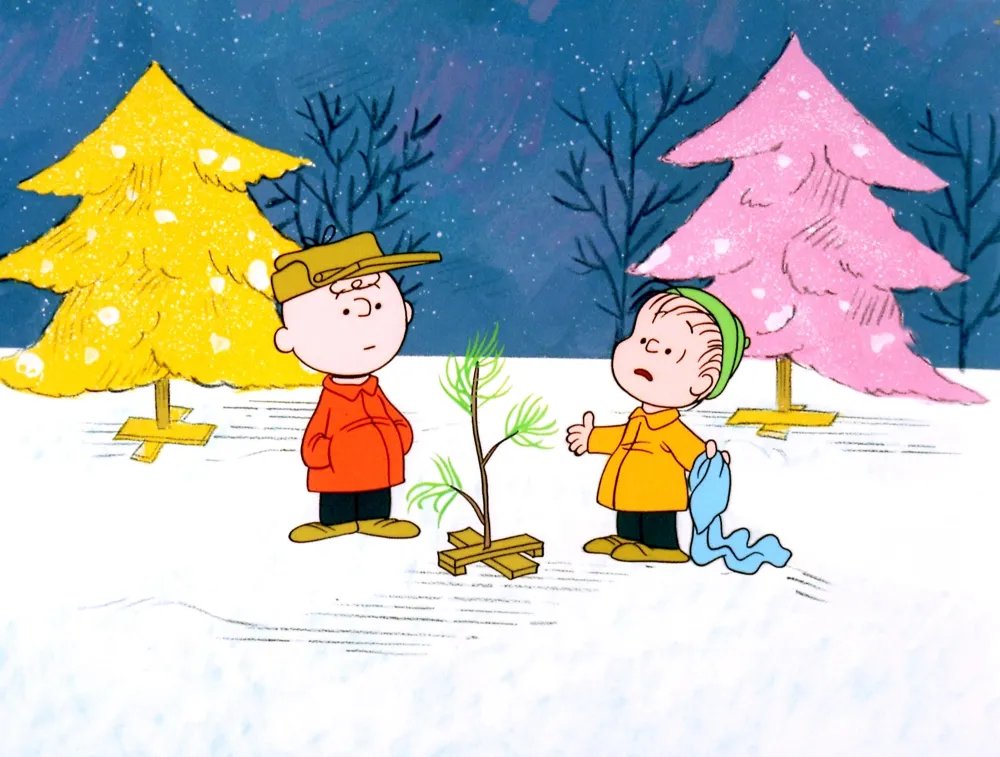
Yet, the special’s path to becoming a classic was far from smooth. Initial screenings for executives were met with significant skepticism. Criticisms included its perceived childishness, the revolutionary concept of children discussing their feelings, and the notable absence of a laugh track. Linus’s poignant recitation of a biblical verse also raised concerns among network brass. Compounding the issues, Schulz’s name was even misspelled as "Schultz" in the credits. CBS only moved forward with airing the special because advertising slots had already been paid for, and the program had been listed in TV Guide. Executives even began questioning their three-special contract.
The show’s enduring appeal, however, quickly overshadowed these initial doubts. Jason Mendelson, son of Lee Mendelson and a long-time part of the Peanuts universe, offers a theory on why it resonates so deeply. He suggests that "Like Charlie, we all go through times when we don’t feel like we’re part of the joy, but of course we are." The special’s climax, where everyone unites to celebrate the sparse tree and the simple magic of togetherness, underscores its universal message. "A Charlie Brown Christmas belongs to everyone," Jason Mendelson concludes, highlighting its timeless connection with audiences.
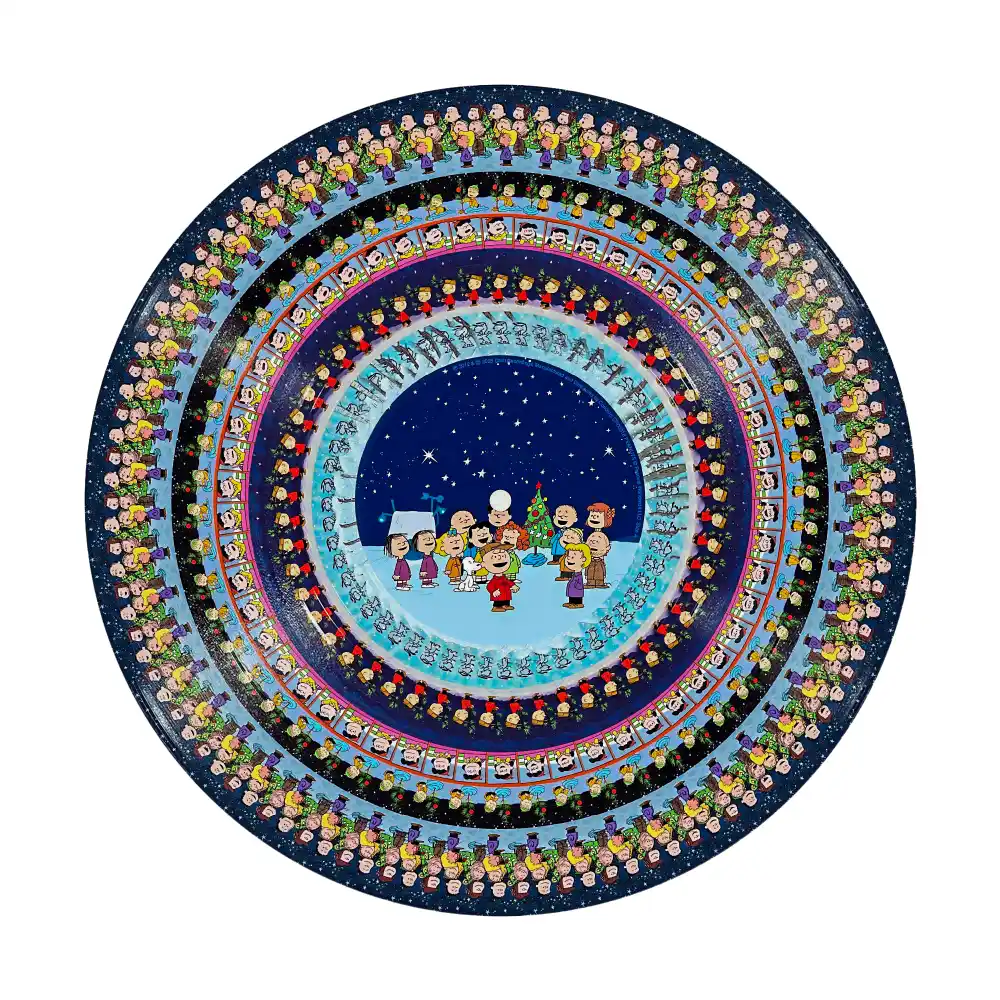
Central to the special’s magic is the Vince Guaraldi Trio’s iconic jazz score, including "Christmas Time Is Here." Notably, these songs were not performed by the young voice cast but by a children’s choir from St. Paul’s Episcopal Church in San Rafael, California. David Willat, who was 11 at the time, recalls receiving "5 dollars and some ice cream" for his participation. Guaraldi deliberately sought a "less perfection" sound, wanting the children’s voices to emulate the Peanuts gang singing on a street corner. This distinctive, "deliberately unprofessional" sound became a hallmark. The soundtrack, recently re-released on a "animating" Zoetrope vinyl album, remains the best-selling Christmas soundtrack of all time.
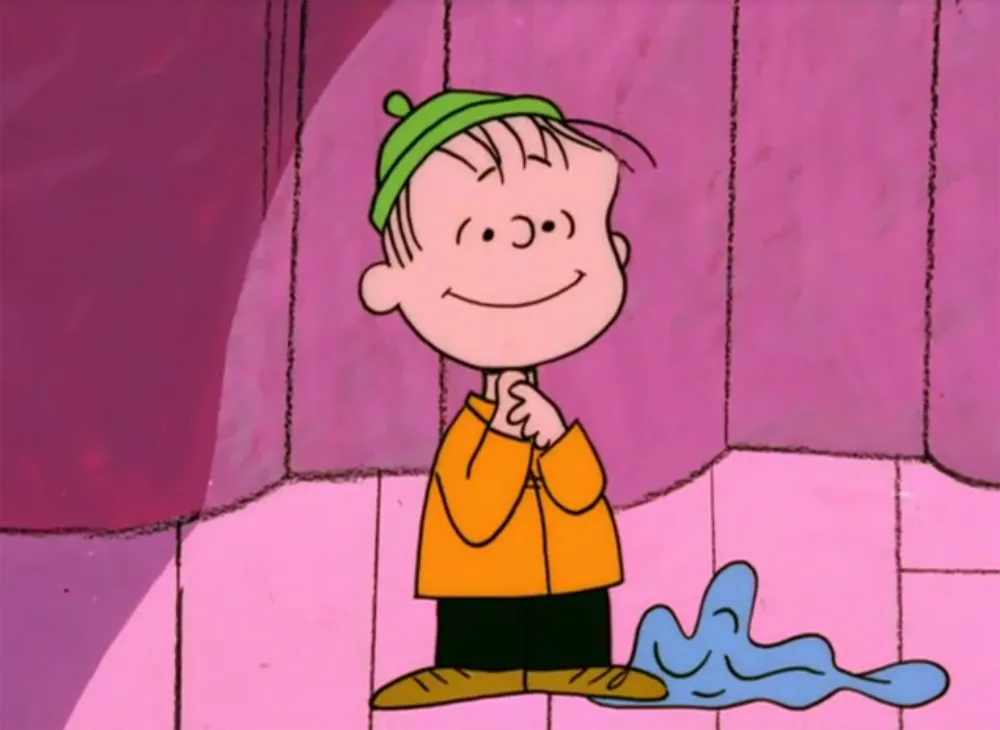
Despite the initial trepidation, one animator, Bill Littlejohn, foresaw its lasting impact. After a screening in Los Angeles, he boldly proclaimed, "This show will last 100 years!" Six decades later, his prediction appears well on its way to fruition.

Today, Charlie Brown, Snoopy, Linus, Lucy, and the entire Peanuts gang continue their adventures, expanding their television library on Apple TV. A Charlie Brown Christmas is available for streaming on the platform, and non-subscribers can enjoy it for free from December 13 to 14. For those seeking a deeper dive into its history, Jason Mendelson recently shared more behind-the-scenes details on the "You Don’t Know Peanuts" podcast. In Santa Rosa, California, the Charles M. Schulz Museum is celebrating the anniversary with an exhibition featuring animation cels, original script pages, and heartwarming thank-you notes sent to the original sponsor, Coca-Cola. Curator Clark notes, "We have wonderful fan mail that people can go through… People can read for themselves the warm letters and postcards they sent to express their joy and happiness." This collective appreciation underscores the powerful legacy of a holiday classic that defied the odds to become a cultural touchstone.